
If you’re starting radiation for breast cancer, you’ve probably been handed a skin care sheet and a treatment calendar.
But the thing (and one of the most important things!) that you were NOT handed was insight about nutrition and how you should eat.
So you’re left wondering what to eat to protect your skin and keep your energy up. Should you cut sugar? Add more protein? Buy that antioxidant blend everyone online swears by?
Let me take that fear off your plate! If you’re wondering what to eat during radiation therapy for breast cancer, here’s the truth: you don’t need a perfect or restrictive diet. You need enough protein, calories, fluids, and nutrients to help your body repair and hold on to your strength.
I’m Nichole Andrews, The Oncology Dietitian™, and I’ve spent more than 15 years helping cancer survivors eat with confidence during and after treatment. In this guide, I’ll walk you through how radiation affects your body, the foods I focus on with my clients, how to eat for your skin, and my favorite snacks and a full day of eating that take almost no effort.
Want a simple roadmap for eating well with and after cancer?
→ Grab my free 10-page guide, The Clean Scan Plan, well-loved by over 20,000 cancer survivors, for my signature 5-pillar approach to nutrition and lifestyle after a cancer diagnosis.
Why Nutrition Matters During Breast Cancer Radiation
Radiation damages the DNA of cancer cells so they can’t keep growing. It’s carefully targeted, but healthy skin and tissue nearby take some of the hit too. That’s why breast radiation side effects often include fatigue, skin irritation, tenderness, and swelling.
Your body incredibly repairs that healthy tissue every single day of treatment, and it uses protein, calories, and nutrients from your food to do it.
Here’s what almost nobody tells you about breast radiation side effects: radiation has a delayed effect.
Skin changes usually start about two or three weeks after your first treatment, and with my clients, the side effects really show up around weeks three to four. Then they keep going after your last session. Skin reactions are usually most uncomfortable two to three weeks after treatment and should heal within three to four weeks of your last appointment. That’s just how it is with radiation, every time.
So even though ringing that bell is such a huge milestone, your nutrition is something to continue focusing on afterward. Those weeks after treatment are when your skin is doing its heaviest repair work.
And I really want you to hear that when my clients walk into those weeks well-nourished, the skin breakdown that shows up later is not as severe. That’s why I want you eating well from day one, not once your skin is already sore and broken down and you are exhausted.
What to Eat During Radiation Therapy for Breast Cancer: 5 Tips From The Oncology Dietitian™
Most survivors don’t need more reasons to fear food, which is why you’ll only feel empowered over here! Ultimately, your diet during radiation therapy comes down to five things, and these are the ones I focus on first with every client going through breast radiation.
1. Prioritize Protein at Every Meal and Snack
Protein is one of the first things I look at with a client in radiation. Your body uses it to repair skin, protect your muscles, and keep your immune system stocked.
ESPEN guidelines recommend more than 1 gram of protein per kilogram of body weight per day for people with cancer, and up to 1.5 grams when possible. If you weigh 150 pounds (about 68 kilograms), that’s roughly 68 to 102 grams a day.
Don’t get stuck chasing a perfect number, though. Your actual needs depend on your body, your kidneys, your activity, and how much you’re eating right now.
My recommendation: include a real protein source every time you eat, instead of trying to cram it all into dinner.
Easy choices include:
- Greek yogurt and cottage cheese
- Eggs (store-bought hard-boiled eggs totally count)
- Chicken, turkey, salmon, and canned tuna
- Tofu, tempeh, and edamame
- Beans and lentils
- Milk and fortified soy milk
Learn more about how much protein you need.
Easy win: Grab a rotisserie chicken, a bag of frozen rice, and a bag of frozen broccoli. That’s dinner for two nights, and you barely had to touch the kitchen.
2. Eat the Rainbow (Yes, Antioxidant Foods Are Safe)
There are thousands of phytochemicals in plants, and each color brings a different combination of compounds that support your body’s natural defenses. So I love to encourage you to have color on your plate every day – berries, citrus, leafy greens, carrots, sweet potatoes, tomatoes, bell peppers, and broccoli.
A lot of my clients come to me scared to eat berries during radiation because they read that antioxidants “protect cancer cells.” Let me clear that up super quick!
Eating antioxidant-rich foods is completely different from taking high-dose antioxidant supplements. Your berries are safe. Your spinach is safe. Fresh, frozen, and canned all count, so buy whatever you’ll actually eat.
3. Don’t Be Afraid of Carbs
One of the biggest myths I hear from breast cancer survivors is that they need to cut carbs or sugar during radiation. Hard NO.
Sugar does not feed cancer. I promise you that your body needs carbohydrates. Every cell in your body uses glucose for energy, including your healthy ones, so cutting carbs doesn’t starve cancer cells. What it actually does is leave you with less energy right when radiation fatigue is at it’s peak.
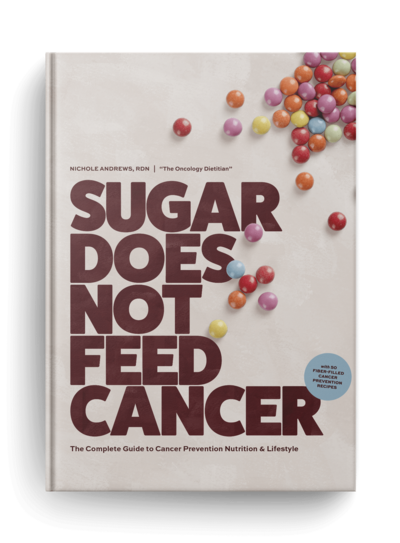
I literally wrote a whole chapter in my book on this, Sugar Does Not Feed Cancer, because this myth causes so much unnecessary fear. Multiple clients have called this their “cancer nutrition bible” because it is SUCH a good resource!
I can’t tell you how many survivors come to me convinced that oatmeal is feeding their cancer. It’s not! Oatmeal, potatoes, sweet potatoes, rice, whole-grain bread, pasta, beans, and fruit all belong on your plate if you enjoy them.
4. Add Healthy Fats to Make Your Calories Count
Fats pack a lot of energy into a small amount of food, which helps so much when your appetite dips. Olive oil, avocado, walnuts, almonds, peanut butter, chia seeds, ground flaxseed, and salmon are some of my favorites.
And yes, soy is safe! Soy foods and flaxseed are both great choices during breast cancer treatment, even if your cancer is hormone receptor-positive. Many of my clients are SO relieved when they learn they don’t have to clear the tofu out of their fridge.
5. Stay Hydrated (No Need to “Flush Out” Radiation)
Breast radiation doesn’t usually cause the big fluid losses some chemo does, but dehydration can still bring on headaches, dizziness, and more fatigue, and that’s the last thing you need right now.
Water is great, and so are milk, soy milk, smoothies, soup, tea, and coffee. You don’t need to force huge amounts of water to make radiation work better or to flush it out of your body. That’s not how it works! Sip throughout the day and aim for light yellow urine and regular defecation. Because THIS is the natural detox your body does when it’s working correctly.
→ Ready to stop guessing about what to eat during breast cancer radiation? Let’s personalize my Custom 30-Day Cancer Healing Plan to YOU!
How to Protect Your Skin With Nutrition During Radiation
This is the one my breast cancer clients ask me about most, and honestly, it’s one I love to help with.
No single food or supplement has been proven to prevent radiation skin reactions, but good nutrition in general can actually lessen them. Your skin can’t rebuild itself without raw materials, and you get those from your plate. Your body needs vitamin C to make collagen, the protein your skin uses to heal, and zinc helps wounds heal too. Add protein and enough calories, and your skin has what it needs when that delayed breakdown shows up.
My favorite skin-supporting foods:
- Eggs, fish, chicken, and Greek yogurt for protein
- Oranges, strawberries, kiwi, bell peppers, and broccoli for vitamin C
- Beans, pumpkin seeds, chickpeas, and lean beef for zinc
- Olive oil, avocado, and walnuts for healthy fats
Your radiation team’s skin care routine works right alongside the nutrition plan we make together.
What to Eat When Radiation Fatigue Hits
Fatigue usually starts a few weeks after beginning radiation therapy, and it can stick around for weeks after you finish. It’s sneaky, too. You’re tired, so you skip lunch. You skip lunch, so you’re even more tired. And the cycle continues!
Undereating, dehydration, and low protein can absolutely make you feel worse. So I tell my clients to eat by the clock. Don’t wait until you feel hungry, because during treatment, hunger isn’t a reliable messenger.
And keep it simple! Life is not all about meal planning and prepping. Who wants to do that? Nobody, especially in treatment.
When I give my clients a dinner that’s four ingredients and something frozen, they say, “Wait, that’s it? That’s too easy, Nichole!” Nope. It can feel easy and WORK! Let me show you how:
here’s how I make eating doable on low-energy days:
- Eat three meals and add snacks between them.
- Lean on frozen vegetables and microwave rice or quinoa.
- Cook a bigger batch on days you feel good and save the leftovers.
- Choose soft foods like yogurt and soup if radiation near your collarbone makes your throat sore.
- Drink a smoothie or one of my meal replacement drinks for cancer patients when cooking feels like too much.
The goal is to make eating easier, not to add a complicated diet on top of your fatigue.
Learn more about cancer fatigue and how to overcome it.
Inside my private VIP 1:1 Cancer Nutrition Coaching program, we build all of this around your treatment schedule, your symptoms, and the foods you actually like. Nearly 90% of my clients have stronger daily energy within two to three weeks.
Brittany T., a triple positive breast cancer survivor, started with me the day before her first chemo and said, “She guided me through all of the ups and downs of chemo, surgery, radiation, and life after treatment.”
Should You Take Supplements During Radiation?
This is one of the most important questions I get. So many survivors assume extra vitamins or antioxidants will protect their healthy cells from radiation. But some research suggests high-dose antioxidant supplements may protect tumor cells as well as healthy cells from the damage radiation is designed to do.
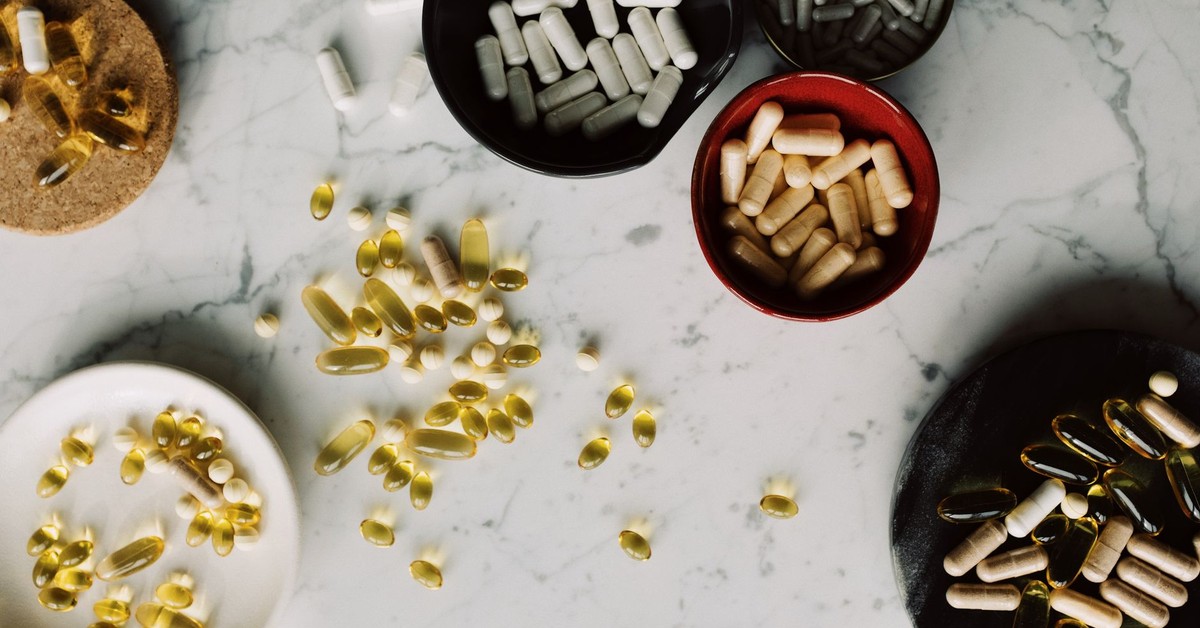
Food-based antioxidants are safe and encouraged. High-dose antioxidant supplements are a totally different conversation. The supplements to avoid during radiation therapy are high-dose antioxidants like vitamin C, vitamin E, selenium, and beta-carotene, unless your oncology team has prescribed them for you.
And you don’t need a million supplements! If your labs show a real deficiency, like low vitamin D or B12, a targeted supplement makes sense. Otherwise, food comes first.
Read more about whether dietary supplements are safe.
My Favorite Easy Snacks During Breast Cancer Radiation
My clients love these, and they ask me all the time, “But is this one okay?” Yes! These are my approved, go-to snacks, and none of them take more than a couple of minutes.
- Greek yogurt and berries: ¾ cup Greek yogurt with ½ cup blueberries or strawberries gives you about 15 to 18 grams of protein.
- Apple and peanut butter: One sliced apple with 2 tablespoons of peanut butter has about 7 to 8 grams of protein.
- Cottage cheese and pineapple: ½ cup of each brings about 12 to 14 grams of protein, plus vitamin C.
- Hard-boiled eggs and crackers: Two store-bought eggs and a handful of whole-grain crackers give you about 12 to 15 grams of protein.
- Hummus and baby carrots: No cooking at all, with plant protein, fiber, and beta-carotene from food.
- Banana and walnuts: Quick energy, healthy fats, and plant omega-3s when you’re tired.
My biggest snack tip? Don’t wait until you’re exhausted or starving to figure out what to eat. Keep two or three of these in your fridge, pantry, or treatment bag.
For more ideas, check out my dietitian-approved snacks for chemo patients.
One-Day Meal Plan During Breast Cancer Radiation
Here’s a sample radiation diet menu for someone with a normal appetite and no other diet restrictions. Your portions depend on your body, your appetite, and how treatment is going, so think of this as a starting point.
Breakfast: Greek Yogurt Berry Oat Bowl
Stir these into a bowl:
- 1 cup plain Greek yogurt
- ½ cup blueberries
- ½ cup rolled oats
- 1 tablespoon chopped walnuts
- A drizzle of honey, if you like
Why I recommend it: Protein, fiber, and calcium before you head to your appointment.
Morning Snack: Apple and Peanut Butter
Slice and dip:
- 1 medium apple
- 2 tablespoons peanut butter
Why I recommend it: Carbs, fat, and protein with zero prep.
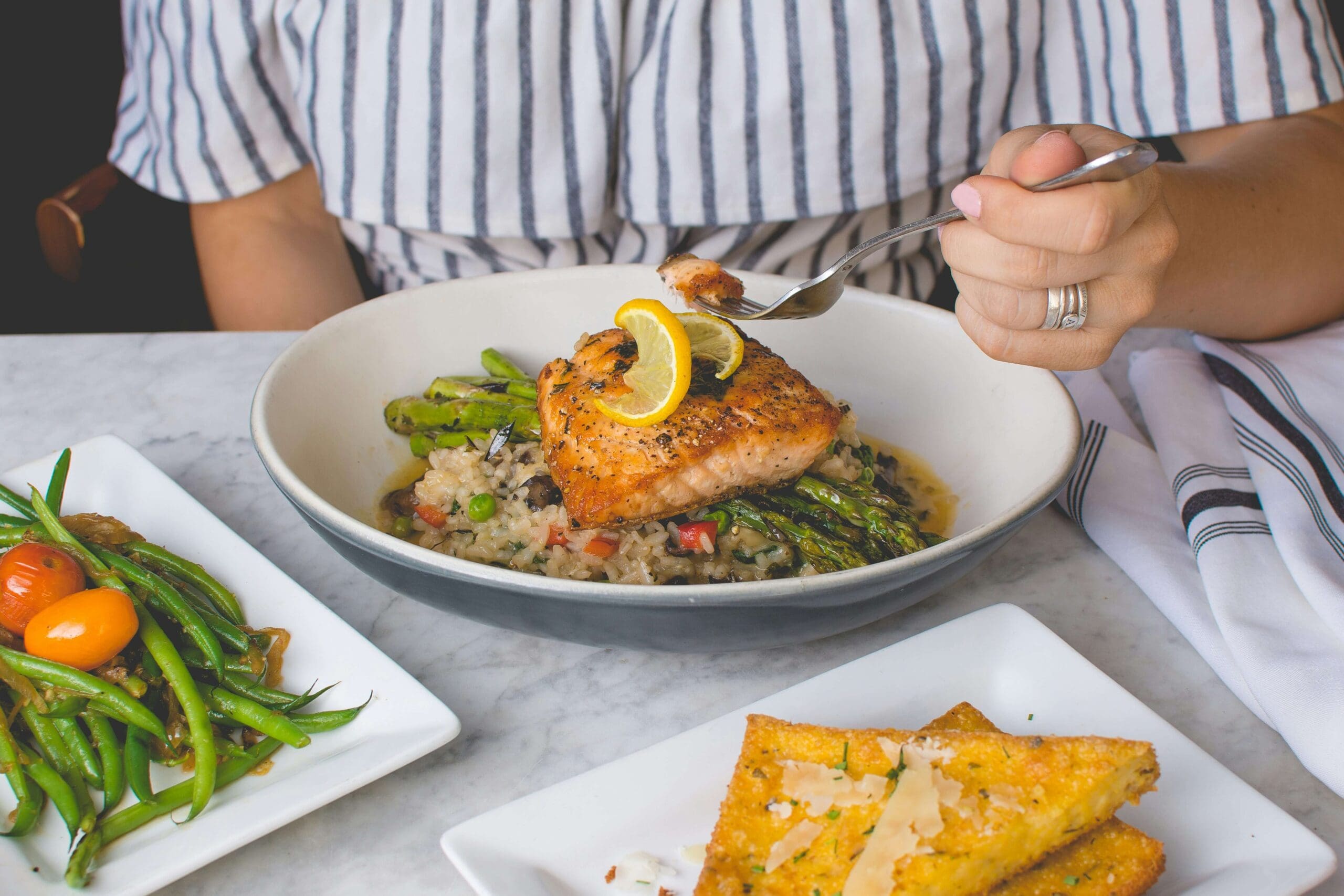
Lunch: Salmon and Quinoa Bowl
Build your bowl with:
- 4 ounces cooked salmon
- ¾ cup cooked quinoa
- 1 cup spinach or mixed vegetables
- ¼ avocado
- Olive oil and lemon
Why I recommend it: Protein and omega-3 fats for repair. Microwavable quinoa and canned salmon make this a five-minute lunch.
Afternoon Snack: Strawberry Protein Smoothie
Blend until smooth:
- 1 cup milk or fortified soy milk
- ½ cup frozen strawberries
- ½ banana
- ½ cup Greek yogurt
Why I recommend it: Fluids, protein, and calories in one glass when fatigue makes cooking feel impossible.
Dinner: Chicken, Sweet Potato, and Broccoli
Plate up:
- 4 ounces cooked chicken
- 1 medium baked sweet potato
- 1 cup cooked broccoli
- 1 tablespoon olive oil
Why I recommend it: Protein for your muscles and skin, plus vitamin C and beta-carotene from food. Rotisserie chicken and frozen broccoli are completely fair game here!
For a full week of ideas, try my 7-day meal plan for breast cancer patients.
What Foods Should You Avoid During Breast Cancer Radiation?
When clients ask me about foods to avoid during radiation therapy, they’re usually bracing for a long list. I’m so excited to tell you that there isn’t one! You do NOT need to cut out sugar, carbs, soy, dairy, gluten, coffee, or fruit.
The biggest cancer-causing foods are processed meats and alcohol, so those are the two I want you to cut out. Here are two posts where I chat more about processed meats and cancer, and alcohol and cancer risk.
Of course, allergies, other health conditions, and how you’re feeling during treatment can change things. The most important thing is not to cut foods that could help you meet your nutrition needs.
Here’s more on cancer foods to avoid and what to eat instead.
What to Eat After Radiation Treatment Ends
Here’s what I tell every client on her last day of radiation: keep eating like you’re still in treatment. Your skin should heal within three to four weeks of your last treatment, and fatigue may last for weeks or even months, so your body is still doing a lot of repair work.
For those first few weeks, what to eat after radiation treatment looks a lot like what you ate during it:
- Protein: Have some every time you eat to finish healing your skin and rebuild your strength.
- Vitamin C and zinc foods: Citrus, strawberries, bell peppers, beans, and pumpkin seeds keep supporting your skin.
- Carbs and healthy fats: These give you the energy to get back to your life.
- Fluids: Keep sipping through the day, especially while fatigue hangs on.
Once your skin has healed and your energy is coming back, your focus can shift from getting through treatment to keeping you healthy for the long haul (because we don’t want your cancer coming back!). That’s exactly what my guide to nutrition for cancer survivors walks you through.
FAQs
Can You Eat Bananas During Radiation?
Yes! Bananas are one of my favorite foods during radiation because they’re soft, easy on your stomach, and need zero prep on busy treatment days. Pair one with peanut butter, Greek yogurt, or a handful of walnuts to add protein and help it keep you full longer.
Is Peanut Butter Good for Radiation Patients?
Absolutely. Two tablespoons of peanut butter give you about 7 to 8 grams of protein plus healthy fats, which really helps when your appetite is low. Spread it on toast, swirl it into oatmeal, or blend it into a smoothie for an easy boost of calories.
What Are the Hardest Days After Radiation Treatment?
For many women, the hardest stretch is the last week or two of treatment and the first few weeks after it, because skin reactions and fatigue often peak after radiation ends. That’s exactly why I keep my clients eating like they’re still in treatment until their skin has healed.
How Can You Reduce Side Effects of Radiation Therapy Naturally?
Food can reduce radiation side effects and heal them faster. Eat protein every time you eat, add vitamin C and zinc foods for your skin, sip fluids all day, and eat by the clock when fatigue hits. Skip high-dose antioxidant supplements, which may protect cancer cells too.
What Not to Eat After Radiation?
Very little changes after radiation. Keep limiting processed meats and alcohol, and that’s honestly it. Your skin is still healing for a few weeks. If you’re wondering what to eat after radiation treatment, stick with protein at every meal, colorful plants, carbs, healthy fats, and fluids.
Ready to Feel Confident About What to Eat During Radiation?
Breast cancer survivors get told what NOT to eat all the time, but almost no one tells them what their body actually needs. That’s how you end up with too little protein, a cabinet full of supplements, and way too much fear around food.
I’m Nichole Andrews, The Oncology Dietitian™, a registered dietitian with more than 15 years in cancer nutrition. I’ve helped more than 1,000 cancer survivors around the world trade food fear for a simple plan that works, and my virtual practice is taking new clients right now.
In my VIP 1:1 Cancer Nutrition Coaching, I work with you personally to:
- Figure out your protein and calorie needs to protect your muscle and strength.
- Build simple meals and menus with the nutrients your skin needs to heal.
- Ease fatigue and appetite changes with realistic food strategies.
- Review your supplements so you can stop the ones you don’t need.
- Plan for recovery and life after treatment, because your needs during radiation are different from your needs once it ends.
Knowing what to eat during radiation therapy for breast cancer shouldn’t be one more thing you have to figure out alone. You have things you can control, I’m here for you, and this is totally doable. You’ve got this!