
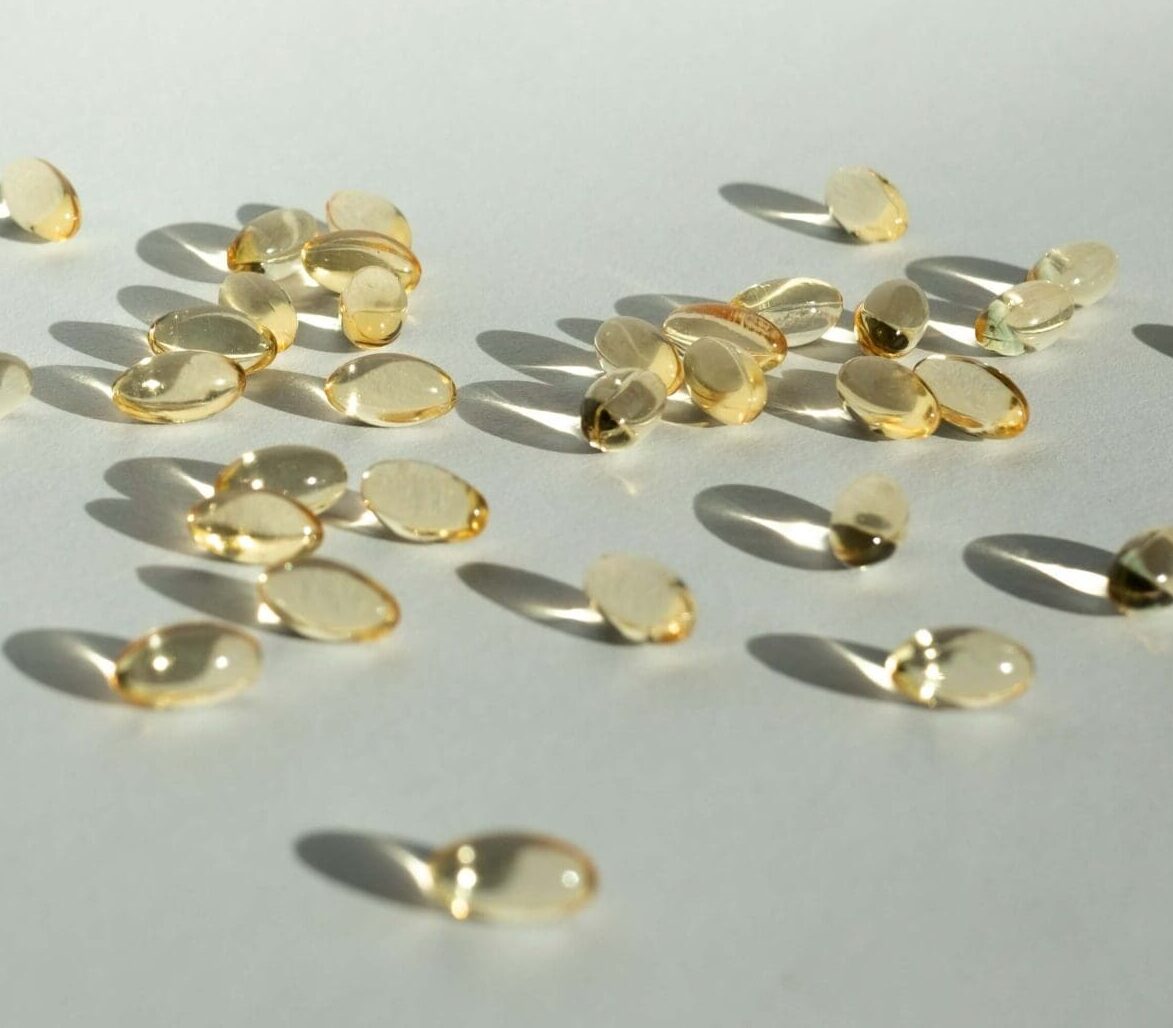
You stand in the supplement aisle, overwhelmed. Bottles promise energy, immunity, and cancer prevention. Your cart fills up, your bank account empties, but deep down you wonder: are these pills actually helping?
As your oncology dietitian, I see this confusion every single day. Survivors come to me drowning in supplements, spending hundreds monthly, yet feeling more anxious than ever.
In fact, some supplements can actually increase cancer risk. Let me walk you through what the science really says about supplement safety, when they’re appropriate, and why your fork beats a pill bottle every time.
Get Your Free Clean Scan Plan!
If you’re in treatment and tired of conflicting food advice, The Clean Scan Plan gives you clarity and calm. Learn what truly supports your strength, energy, and healing without restriction or overwhelm.
Can Dietary Supplements Increase Cancer Risk?
Yes. Multiple large-scale studies show certain supplements can increase cancer risk, especially when taken in high doses over time.
One of my coaching clients came to me taking 17 different supplements daily. She spent over $400 monthly, yet felt exhausted and confused. “I thought I was doing everything right,” she told me. “But I felt worse, not better.” We streamlined her approach, focused on nutrient-dense foods, and within weeks her energy returned. Her scans stayed clear, and she saved thousands of dollars.
Beta-carotene supplements increased lung cancer risk by 20% in smokers and former smokers. Vitamin E supplements increased prostate cancer risk in healthy men. Folic acid supplements increased colorectal polyps in some individuals instead of reducing them.
These weren’t small studies. They involved thousands of participants over years. The results shocked researchers who expected supplements to help, not harm.
In my programs, I show survivors how whole foods deliver these same nutrients safely. Beta-carotene from sweet potatoes and carrots supports your immune system without the cancer risk.
Vitamin E from almonds and sunflower seeds protects your cells naturally. Folate from leafy greens and beans nourishes your body the way nature intended.
The difference? Whole foods contain hundreds of beneficial compounds that work together. Isolated nutrients in supplement form lack this synergy and can throw your body’s delicate balance off course.
This Is Exactly Why I Created the Clean Scan Plan
If you’re ready to move from fear to confidence, the Clean Scan Plan shows you exactly how. Learn the proven, science-backed habits that protect your body and help you feel strong and capable again.
Are Greens Powders Safe for Cancer Survivors?
Greens powders blend concentrated leafy greens, algae, vegetables, herbs, and adaptogens into a scoop of powder. They promise easy nutrition, but cancer survivors should approach with caution.
Many greens powders contain herbal extracts and adaptogens that can interact with cancer medications. Some boost immune function, which sounds good until you’re on immunotherapy. Then it can interfere with treatment effectiveness.
Plant concentrates can contain trace amounts of heavy metals (lead, arsenic) naturally present in soil. When you consume concentrated amounts daily, these toxins accumulate.
Proprietary blends hide exact ingredient amounts, making it impossible to know what you’re actually consuming. The fiber content is minimal compared to eating actual vegetables.
But honestly? A smoothie with spinach, berries, and ground flaxseed gives you more nutrition, fiber, and safety without the risk.
When Should You Take Dietary Supplements?
Supplements serve one primary purpose: correcting diagnosed nutritional deficiencies. That’s it.
Common scenarios where supplements may be appropriate:
- Vitamin D deficiency confirmed by blood test (common in cancer survivors)
- Vitamin B12 deficiency in vegans or those with absorption issues
- Iron deficiency anemia diagnosed by your healthcare provider
- Specific deficiencies caused by cancer treatment side effects
- Malabsorption conditions preventing nutrient uptake from food
Notice the pattern? Every appropriate use requires medical diagnosis and monitoring. You can’t supplement your way out of a poor diet, and you definitely can’t supplement away cancer risk.
During active cancer treatment, supplements become even more complicated. About 23% of dietary supplements have known interactions with cancer treatments. Some increase bleeding risk during surgery. Others reduce radiation effectiveness or interfere with chemotherapy.
As your oncology dietitian, I work with your medical team to ensure any supplements you take support, not sabotage, your treatment plan.
How to Choose Safe Dietary Supplements
If you need supplements for a diagnosed deficiency, choose wisely:
Look for third-party certifications:
- USP Verified
- NSF Certified for Sport
- ConsumerLab Approved
- Informed Choice Certified
Read labels carefully:
- Check the Supplement Facts panel for exact ingredient amounts
- Avoid proprietary blends that hide ingredient quantities
- Watch for fillers, artificial colors, and unnecessary additives
- Verify the expiration date and storage requirements
Research the company:
- Check FDA warning letters at fda.gov
- Look for transparent manufacturing practices
- Verify they follow Good Manufacturing Practices (GMP)
- Choose established brands with quality track records
But here’s what I tell my clients: if you’re spending this much time researching supplements, imagine what you could accomplish by putting that energy into planning nutrient-dense meals instead.
Why Whole Foods Beat Supplements for Cancer Prevention
Here’s the truth that supplement companies don’t want you to know: whole foods deliver nutrients your body actually recognizes and uses effectively.
When you eat a serving of broccoli, you get:
- Vitamin C, folate, and vitamin K
- Fiber that feeds beneficial gut bacteria
- Sulforaphane, a powerful anti-cancer compound
- Dozens of phytochemicals working together
- Water for hydration
A broccoli supplement? Just isolated compounds missing the synergy that makes food healing.
Research consistently shows that people who eat plant-rich diets have lower cancer risk than those relying on supplements. The fiber alone, which supplements completely lack, reduces colorectal cancer risk and feeds your gut microbiome.
One client told me after working together: “After cancer, food felt like the enemy. Now I know exactly what supports my body, and the anxiety is gone.” She stopped spending $300 monthly on supplements and invested that money in organic produce and quality proteins instead. Her energy soared, her digestion improved, and she finally felt like herself again.
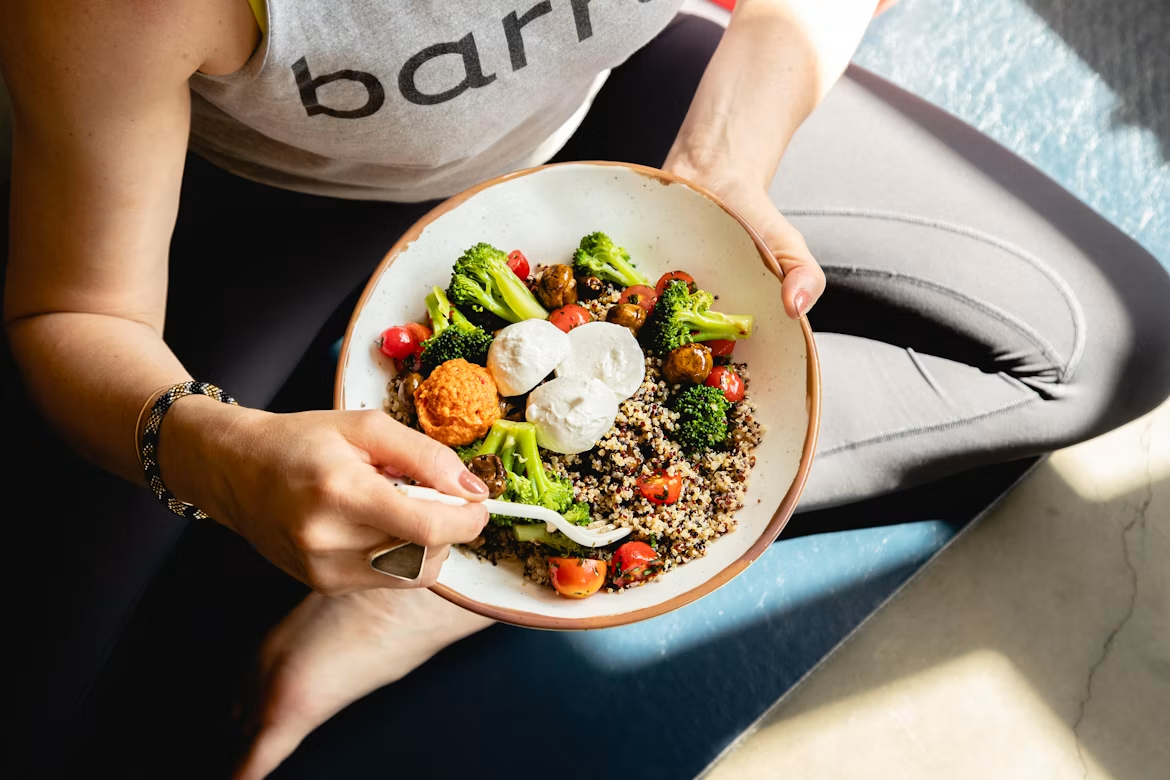
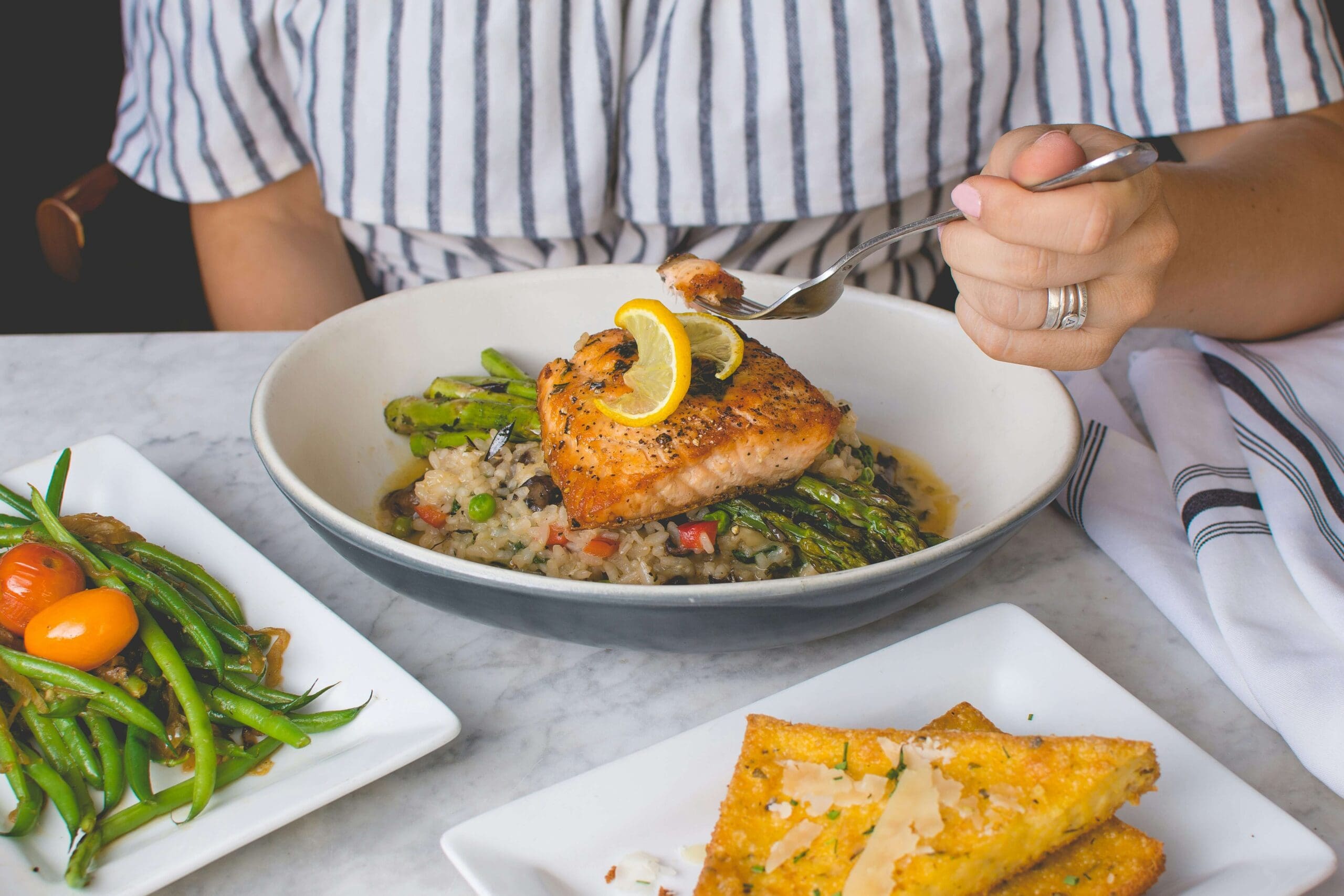
In my nutrition coaching programs, we focus on building plates that naturally deliver everything your body needs. No pills required, just strategic, delicious food choices that reduce risk while bringing joy back to eating.
Key Takeaways: The Bottom Line on Supplement Safety
After years of working with cancer survivors, here’s what I want you to remember:
Supplements are not inherently safe just because they’re “natural.” They lack FDA pre-market approval, can contain contaminants, and may interact dangerously with cancer treatments.
Some supplements increase cancer risk when taken in high doses over time. Beta-carotene, vitamin E, and folic acid supplements have all shown harmful effects in major research studies.
Whole foods provide superior nutrition with built-in safety. The synergy of nutrients in food delivers benefits that isolated supplements cannot replicate.
Supplements serve one purpose: correcting diagnosed deficiencies under medical supervision. They’re not cancer prevention tools, energy boosters, or cure-alls.
Work with us to get help on safe supplement use, discover HERE. Even vitamins and herbs can interfere with treatment effectiveness or cause dangerous interactions.
You deserve that same clarity and confidence. You deserve to stop questioning every choice and start living fully again. The simple habits we implement together cost far less than supplement stacks and deliver far better results. My clients don’t just survive, they thrive, with clean scans and genuine confidence in their bodies again.
Ready to Feel Confident About Your Health Choices?
Join thousands who’ve transformed their approach with The Clean Scan Plan. This free guide provides everything you need to support your body naturally. No expensive supplements, no confusion, just clear strategies that work.
Yes! Send Me the Free Clean Scan Plan
References
- https://ods.od.nih.gov/factsheets/WYNTK-Consumer/
- https://www.fda.gov/consumers/consumer-updates/fda-101-dietary-supplements
- https://www.cancer.org/cancer/supportive-care/integrative-medicine/dietary-supplements.html
- https://pmc.ncbi.nlm.nih.gov/articles/PMC10930792/
- https://www.nccih.nih.gov/health/using-dietary-supplements-wisely
- https://www.health.harvard.edu/staying-healthy/dont-waste-time-or-money-on-dietary-supplements
- https://www.grandviewresearch.com/industry-analysis/us-dietary-supplements-market-report