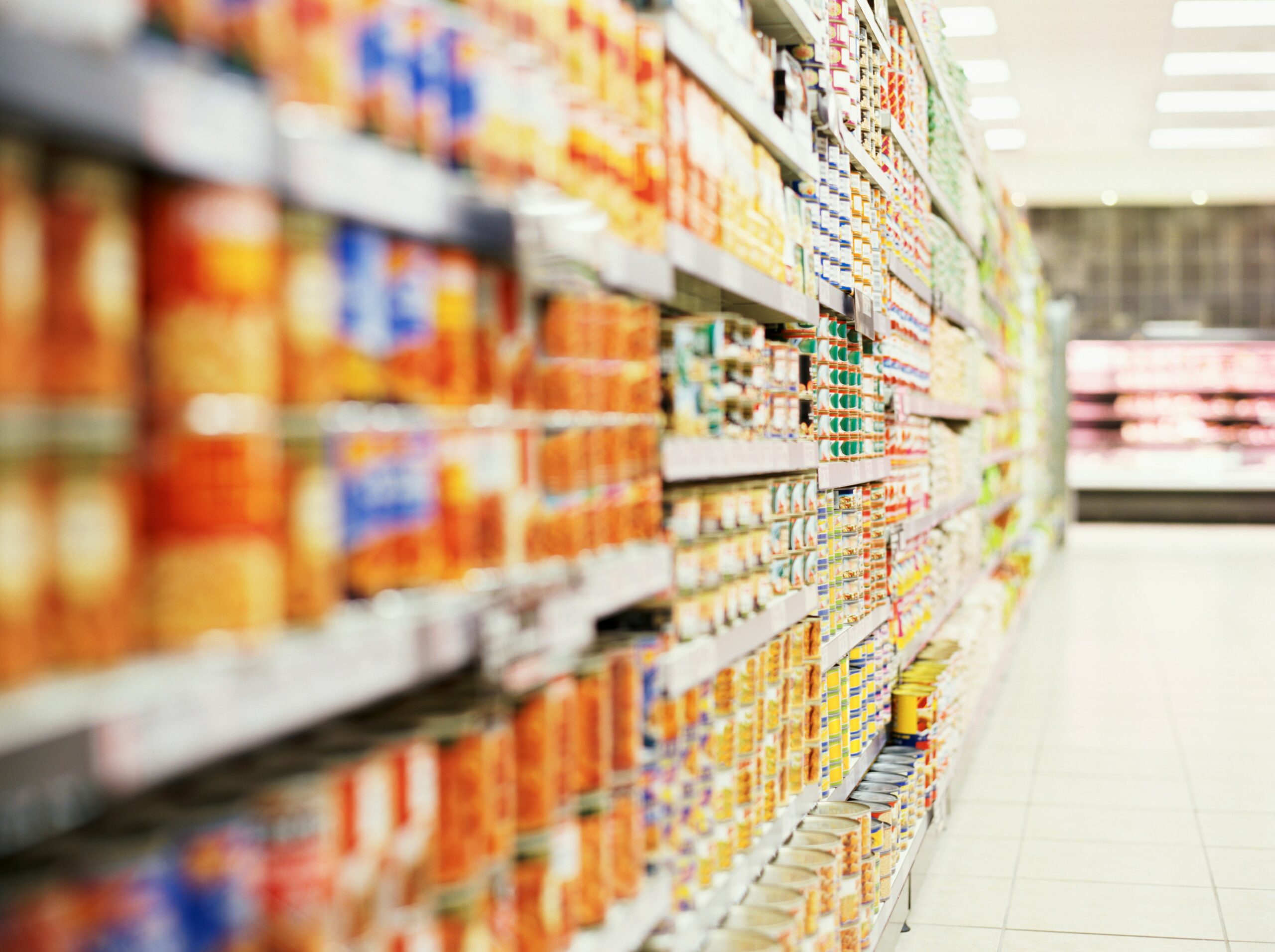
If you’re living with lung cancer or working to lower your risk, someone has probably told you to throw out everything “processed” that comes in a box, bag, or can. That advice is everywhere when it comes to processed food and lung cancer, and it leaves a lot of people afraid of their pantry.
Let me take that fear off your plate! Processed foods as a group haven’t been proven to cause lung cancer, and many are some of the most nourishing, budget-friendly foods you can eat during treatment or recovery.
As The Oncology Dietitian™, I’ve spent more than 15 years helping cancer survivors cut through confusing nutrition advice and eat with confidence again. In this guide, I’ll walk you through what “processed” means and how to figure out what raises your risk.
Want a simple roadmap for eating well with and after cancer? → Grab my free guide, The Clean Scan Plan, for my signature 5-pillar approach to nutrition and lifestyle after cancer.
What Are Processed Foods?
Processing means changing a food from its original state. That might include freezing, canning, pasteurizing, cooking, fermenting, or adding ingredients to preserve it.
The word “processed” gets a bad reputation, but many processed foods are incredibly nutritious. As The Oncology Dietitian™, some of my favorites for clients include:
- Frozen fruits and vegetables.
- Canned beans and lentils.
- Whole-grain bread and fortified cereals.
- Greek yogurt and cottage cheese.
- Tofu and soy milk.
- Canned salmon and tuna.
- Peanut butter.
These foods give you protein, fiber, vitamins, and minerals, which your body needs even more during cancer treatment. They’re also quick, affordable, and easy to keep on hand.
Ultra-processed foods are a different category. These are foods made mostly from ingredients extracted from whole foods, like refined starches, added sugars, and oils. Think soda, chips, hot dogs, and packaged sweets.
Research has found associations between diets high in ultra-processed foods and increased lung cancer risk, but these observational findings do not prove that ultra-processed foods directly cause lung cancer.
The bottom line is that processing alone does not determine whether a food is harmful or nutritious.
A bag of frozen broccoli and a bag of cheese puffs are both processed, but they’re very different. At the same time, there’s no need to fear the cheese puffs! When most of your meals come from nourishing foods, there’s plenty of room to enjoy your favorite snacks in moderation, guilt-free.
Do Processed Foods Increase Your Risk of Lung Cancer?
Processed foods, as a broad category, have not been shown to cause lung cancer. Headline-grabbing research focuses specifically on ultra-processed foods and shows a link without proving cause.
The largest study so far was published in the journal Thorax in 2025.
Researchers followed about 102,000 older adults in the United States and found that people who ate the most ultra-processed foods had a 41% higher risk of lung cancer than those who ate the least, even after accounting for smoking and overall diet quality.
The most commonly eaten ultra-processed foods in the study were lunch meats and full sugar sodas.
That number sounds scary, so let’s put it in context. The researchers stressed that their study wasn’t built to prove cause and effect, only to show an association.
People who ate a lot of ultra-processed foods also tended to eat fewer of the fruits, vegetables, and whole grains linked with lower cancer risk. That makes it hard to know whether the ultra-processed foods raised risk or whether those diets were simply missing nutritious foods.
Processed meats deserve a separate mention. Bacon, sausage, hot dogs, and deli meats have strong evidence linking them to colorectal cancer, but they haven’t been established as a cause of lung cancer. I still recommend eliminating them as part of a overall healthy eating with cancer.
So what does this mean for your plate? Build most of your meals around minimally processed foods, and keep enjoying your favorite snacks without guilt. A bag of pretzels or a bowl of cereal won’t give you cancer.
What DOES Increase Your Risk of Lung Cancer
1. Smoking
Smoking is the leading cause of lung cancer by a wide margin. According to the CDC, cigarette smoking is linked to about 80% to 90% of lung cancer deaths in the United States. People who smoke are 15 to 30 times more likely to develop lung cancer than people who don’t.
Quitting helps at EVERY stage.
2. Secondhand Smoke
You don’t have to smoke to be harmed by tobacco smoke. The CDC estimates secondhand smoke causes more than 7,300 lung cancer deaths among nonsmokers each year, and it raises a nonsmoker’s risk by 20% to 30%. Keeping your home and car smoke-free protects you and the people you love.
3. Radon
Radon is a radioactive gas that forms naturally in rocks and soil and can build up inside homes. You can’t see, smell, or taste it, and after smoking, it’s the second leading cause of lung cancer in the United States. Radon is also the leading cause of lung cancer in people who have never smoked.
Roughly 1 in 15 U.S. homes has elevated radon levels. A simple home test kit tells you whether that’s the case in your home, and a mitigation system can bring high levels down.
4. Air Pollution and Workplace Exposures
Long-term exposure to outdoor air pollution raises lung cancer risk. The World Health Organization’s cancer agency classified outdoor air pollution as a cause of cancer after finding it was responsible for 223,000 lung cancer deaths worldwide in 2010.
Certain jobs also increase risk. Workplace substances like asbestos, arsenic, and some forms of silica and chromium are linked to lung cancer, along with diesel exhaust.
5. High-Dose Beta-Carotene Supplements
Beta-carotene is the nutrient that gives carrots and sweet potatoes their orange color, and in pill form, it can raise lung cancer risk in people who smoke.
The CARET trial gave daily beta-carotene and vitamin A supplements to 18,314 people at high risk for lung cancer because of smoking or asbestos exposure. The trial was stopped early because people taking the supplements had a 28% higher rate of lung cancer.
Beta-carotene from food doesn’t share that risk, so keep eating your carrots, sweet potatoes, and spinach.
6. Family History and Past Chest Radiation
Having a parent or sibling with lung cancer can raise your risk, and so can previous radiation therapy to the chest.
It’s also important to know that lung cancer can develop in people with no clear risk factors at all. Some people get lung cancer with no known cause. A lung cancer diagnosis does not mean you did something wrong, and no single food or habit explains it.
Your Nutrition and Lung Cancer
What you eat won’t erase the major lung cancer risk factors like smoking or radon, but good nutrition makes a big difference. It helps lower your overall cancer risk, keeps your body strong through treatment, and supports your recovery afterward.
Eating to Lower Your Risk
You don’t need an overly complicated diet to lower your cancer risk. What you need is a simple, consistent way of eating mostly from nourishing foods.
These habits have the strongest evidence for cancer prevention overall:
- Fill most of your plate with vegetables, fruits, whole grains, beans, and lentils.
- Choose fish, poultry, eggs, dairy, tofu, and beans as your main protein sources.
- Limit processed meats like bacon, hot dogs, and deli meats.
- Cut back on sugary drinks like soda and sweet tea.
- Avoid alcohol.
At the same time, you don’t need to ban bread, fear sugar, or toss out every packaged food. Frozen vegetables, canned beans, and whole-grain cereal all fit right into a cancer prevention diet.
Learn more about cancer foods to avoid.
Eating During Treatment and Recovery
Lung cancer treatment can bring fatigue, nausea, appetite loss, taste changes, and trouble swallowing, and many patients lose weight, which often means losing muscle, which can leave you weaker and make treatment harder to get through.
During treatment, I help my clients focus on these priorities:
- Eating enough calories to prevent unintentional weight loss.
- Getting plenty of protein at every meal and snack to protect your muscle and strength.
- Including fruits, vegetables, fiber, and whole grains.
- Managing side effects like nausea, fatigue, and taste changes.
- Staying hydrated with water, milk, smoothies, soups, and other fluids throughout the day.
My goal is to help you eat enough, adjust as your body’s needs change, and ENJOY food.
What a Day of Eating Can Look Like with Lung Cancer
Breakfast: Protein-Packed Greek Yogurt Bowl
Stir these into a bowl:
- 1 cup plain Greek yogurt.
- ½ cup blueberries or strawberries.
- ½ cup rolled oats.
- 1 tablespoon chopped walnuts.
- A drizzle of honey, if you like it sweeter.
Why I recommend it: Greek yogurt gives you a big dose of protein, oats add fiber and steady energy, and berries and walnuts bring vitamins, minerals, and healthy fats.
Morning Snack: Peanut Butter Banana Toast
Spread and top:
- 1 slice whole-grain toast.
- 2 tablespoons peanut butter.
- 1 medium banana, sliced.
Why I recommend it: This snack packs protein, carbs, and calorie-dense fat into a few bites, which helps a lot when your appetite is low.
Lunch: Salmon and Quinoa Bowl
Build your bowl with:
- 4 ounces cooked salmon.
- ¾ cup cooked quinoa.
- ½ cup cooked carrots.
- ½ cup cooked spinach.
- ¼ avocado.
- A drizzle of olive oil and lemon juice.
Why I recommend it: Salmon provides protein and omega-3 fats, while quinoa, vegetables, and avocado add fiber, nutrients, and extra energy. Frozen vegetables, microwavable quinoa, and canned salmon make this a five-minute lunch.
Afternoon Snack: Berry Protein Smoothie
Blend until smooth:
- 1 cup fortified milk or soy milk.
- ½ cup frozen berries.
- ½ banana.
- ½ cup Greek yogurt.
- 1 tablespoon peanut butter.
Why I recommend it: Smoothies are perfect when chewing feels exhausting or your appetite disappears, and this one delivers protein and calories without cooking another meal.
Dinner: Chicken, Sweet Potato, and Green Beans
Plate up:
- 4 ounces cooked chicken breast.
- 1 medium baked sweet potato.
- 1 cup cooked green beans.
- 1 tablespoon olive oil or butter.
Why I recommend it: Chicken protects your muscles, sweet potato gives you carbs and beta-carotene from food, and green beans add fiber and nutrients. Rotisserie chicken and frozen green beans are completely fair game here.
FAQs
Does sugar feed lung cancer?
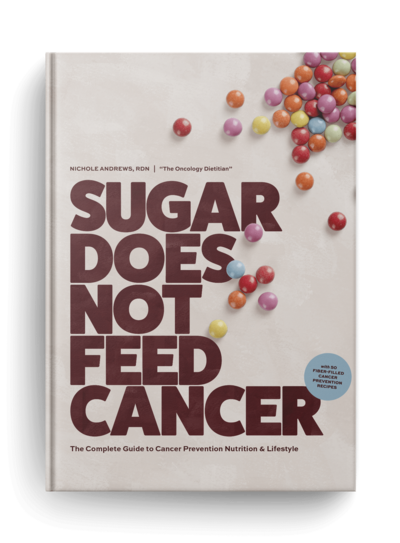
No. Every cell in your body uses glucose for energy, including healthy cells, and cutting out sugar won’t starve cancer cells. I literally wrote a whole book on this, Sugar Does Not Feed Cancer, because this myth causes so much unnecessary fear. Limiting added sugar is a good habit for overall health, but you don’t need to give up fruit, bread, or the occasional dessert.
Are canned and frozen vegetables as healthy as fresh?
Yes. Frozen vegetables are picked and frozen at peak ripeness, so they keep most of their nutrients. Canned vegetables are a great option too, and rinsing them under water removes some of the added sodium. Use whatever form you’ll eat.
Should I cut back on sodium?
A high-sodium diet can raise blood pressure, but sodium isn’t an established cause of lung cancer. Aim to keep most of your meals moderate in salt. If you’re going through treatment, salty foods like crackers or broth can help with nausea and taste changes, so don’t avoid them if they’re helping you eat.
Ready to Eat with Confidence Through Lung Cancer?
I’m Nichole Andrews, The Oncology Dietitian™, a registered dietitian with more than 15 years in cancer nutrition. I’ve helped more than 1,000 cancer survivors trade food fear for a nutritious, enjoyable plan that works.
In my VIP 1:1 Cancer Nutrition Coaching, I work with you personally to:
- Find the nutrition gaps holding back your energy and strength.
- Boost your protein and calories so you can keep your muscle through treatment.
- Build simple strategies for nausea, appetite loss, taste changes, and fatigue.
- Review your supplements so you can stop the unnecessary ones.
- Create easy meals that fit your preferences, schedule, and treatment.
You deserve to feel strong, nourished, and in control of your health again, and you don’t have to figure it out alone. Apply for VIP 1:1 Cancer Nutrition Coaching!