
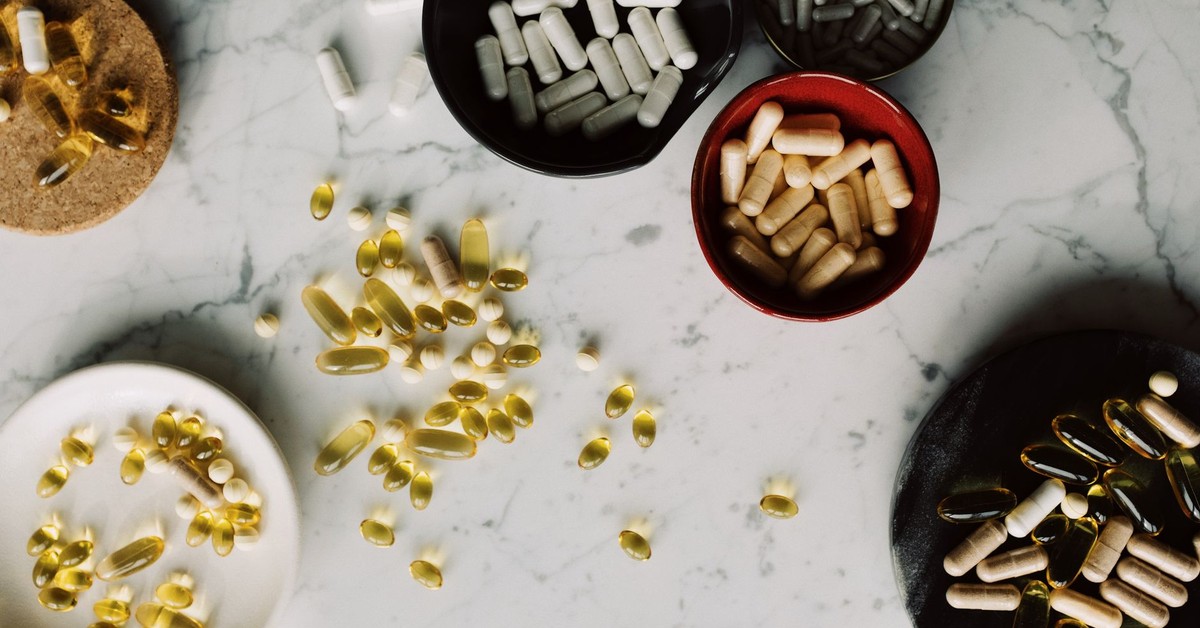
If your fingertips tingle when you button a shirt or your feet feel numb on the stairs, you’ve probably started looking for vitamins for neuropathy from chemo.
First, it’s important to know that neuropathy after chemo can get better. Many survivors see big improvements, and some heal completely.
I’m Nichole Andrews, The Oncology Dietitian™, and I’ve spent more than 15 years helping cancer survivors eat with confidence during and after treatment.
By the time most of my clients find me, they’ve been told to “just wait it out” or they’ve spent hundreds of dollars on nerve supplements that didn’t help. You have FAR more control over your recovery than that.
Your nerves need specific nutrients to repair, and your plate is one of the most powerful tools you have. In this guide, I’ll walk you through why neuropathy develops after chemo, how nutrition supports nerve healing, and the five vitamins I focus on with my clients.
Want a simple roadmap for eating well with and after cancer? → Grab my free guide, The Clean Scan Plan, for my signature 5-pillar approach to nutrition and lifestyle after a cancer diagnosis.
What Is Neuropathy and Why Does It Develop After Chemo?
Peripheral neuropathy is damage to the nerves that run from your spinal cord out to your hands, feet, arms, and legs. These nerves send your brain information about touch, temperature, pain, and where your body is in space. When they’re damaged, those signals get scrambled.
Chemo-induced peripheral neuropathy (often shortened to CIPN) can cause symptoms like these:
- Numbness or tingling in your fingers and toes.
- Burning, shooting, or electric-shock pain.
- Strong sensitivity to cold.
- Trouble with balance or feeling the floor under your feet.
- Difficulty with small tasks like buttoning clothes or picking up coins.
These symptoms usually start in the fingers and toes because the longest nerves in your body are the most vulnerable.
So why does chemo affect your nerves? Many chemo drugs attack fast-dividing cancer cells, but some also injure healthy nerve fibers along the way. The drugs most often linked to neuropathy include platinum agents, taxanes, vinca alkaloids, thalidomide, and bortezomib. Your risk depends on the specific drug, your total dose, and other health factors like diabetes or neuropathy you had before treatment.
Can Vitamins for Neuropathy from Chemo Help?
Yes, but the answer goes beyond a bottle of pills. Nutrition is what helps, and vitamins are one piece of it.
No single vitamin has been proven to reverse chemo neuropathy, and current oncology guidelines don’t recommend any supplement to prevent or treat it. So please don’t spend hundreds of dollars on “nerve support” formulas.
What nutrition can do is give your nerves the raw materials they need to repair. Several vitamin deficiencies cause neuropathy, and treatment makes those deficiencies more likely. Weeks of nausea, vomiting, diarrhea, low appetite, or weight loss can drain your nutrient stores. A deficiency layered on top of chemo damage means more nerve trouble and slower healing.
When I work with a client who has neuropathy, I focus on four things:
- Eating enough calories and protein to give your body the building blocks for nerve repair.
- Finding and correcting any vitamin deficiencies, with lab testing when it makes sense.
- Building simple meals packed with the nutrients your nerves rely on.
- Reviewing supplements, since some can make neuropathy worse.
This approach is totally doable, and it puts you back in the driver’s seat while your nerves heal.
With my cancer coaching for nutrition, you get personalized, high-level support as you learn a new way of eating. We meet 1:1 on calls, you can message me whenever a question pops up, and I give you daily guidance.
5 Vitamins for Neuropathy from Chemo (Recommended by The Oncology Dietitian™
These are the five vitamins I focus on with clients who have neuropathy after chemo, and food comes first because it delivers these nutrients in safe amounts along with the protein and calories your nerves need to repair.
A deficiency may still call for a supplement, and figuring out whether that applies to you is one of the first things we sort out when we work together in 1:1 coaching.
Vitamin B12
Vitamin B12 helps build and maintain myelin, the protective coating around your nerves. Without enough B12, nerves can’t send signals properly, which leads to numbness, tingling, weakness, and balance problems.
Research suggests chemo and B12 are closely connected. A study of cancer patients found that blood B12 levels dropped significantly from before chemo to after treatment, and that a functional B12 deficiency was a distinct risk factor for developing neuropathy.
These foods are the easiest ways to get B12:
- Salmon, trout, and canned tuna.
- Eggs.
- Greek yogurt, milk, and cheese.
- Fortified breakfast cereals and nutritional yeast.
Easy win: Have a cup of Greek yogurt as a snack and salmon at dinner, and you’ve covered your B12 needs for the day.
Vitamin B1
Thiamine helps your nerve cells turn food into energy. Nerves use a lot of fuel, especially when they’re trying to repair.
Your body only stores a small amount of thiamine, so it can run low within weeks of chemo. That makes deficiency a concern if treatment brought on vomiting, poor appetite, significant weight loss, or a long stretch of eating very little.
These foods give you a solid dose of thiamine:
- Pork chops and pork tenderloin.
- Black beans and lentils.
- Sunflower seeds.
- Oatmeal, whole-grain bread, and enriched bread.
- Fortified breakfast cereals.
Easy win: A bowl of fortified cereal with milk gives you thiamine and B12 in one five-minute breakfast.
Vitamin B6
Vitamin B6 helps your nerves send signals and make the chemical messengers they use to communicate. But this is the one vitamin where more is NOT better.
Too little B6 and too much B6 cause the same main symptom: peripheral sensory neuropathy. That means a high-dose supplement can damage the very nerves you’re trying to heal.
A Health Canada safety review found a possible link between B6-containing health products and neuropathy at daily doses of 10 mg or higher. Many B-complex and “nerve support” supplements contain far more than that, and some energy drinks contain up to 40 mg.
Food is the safest way to get B6, and great sources include:
- Chickpeas.
- Salmon and chicken.
- Potatoes with the skin on.
- Bananas.
- Fortified breakfast cereals.
Easy win: A baked potato topped with shredded rotisserie chicken is a four-minute B6-rich meal.
Vitamin D
Vitamin D supports your muscles, bones, and nervous system. Low vitamin D is very common, and research links it to more severe chemo neuropathy.
In an analysis of 1,191 women with early-stage breast cancer, those with low vitamin D before treatment had a higher rate of severe neuropathy than women with sufficient levels. The researchers noted that prospective trials are still needed to confirm whether vitamin D supplements prevent neuropathy. Still, correcting a deficiency is a smart, low-risk step.
Vitamin D also helps you keep your strength and balance. Neuropathy in your feet raises your risk of falls, so strong muscles and bones are a big deal during recovery.
Only a handful of foods are good sources of vitamin D:
- Salmon, trout, and sardines.
- Fortified milk and fortified soy milk.
- Egg yolks.
- Fortified yogurt.
Easy win: Vitamin D is one of the first labs I check when a client comes to me with neuropathy. If your level is low, I’ll help you find the right supplement dose, because food alone rarely brings a deficiency back to normal.
Vitamin E
Vitamin E is an antioxidant that helps protect nerve cell membranes from damage. Early small studies on vitamin E pills for chemo neuropathy looked promising, which is why you’ll still see it recommended online.
The larger studies didn’t hold up. In a phase 3 randomized trial from the Mayo Clinic, patients on neurotoxic chemo took high-dose vitamin E or a placebo twice a day, and neuropathy rates were about the same in both groups. – need link as well
So skip the high-dose vitamin E pills, which can also increase bleeding risk at high doses. Vitamin E-rich foods are a different story, and they’re some of my favorite calorie boosters for survivors who need to regain weight and strength.
These foods are easy ways to get vitamin E:
- Almonds and sunflower seeds.
- Peanut butter and almond butter.
- Avocados.
- Olive oil and other vegetable oils.
Easy win: Peanut butter on whole-grain toast gives you vitamin E, thiamine, protein, and calories in one snack that takes two minutes.
Supplements vs. Food: What’s Best for Neuropathy After Chemo?
You don’t need a cabinet full of supplements to support nerve healing. Every vitamin in this guide comes from simple grocery-store foods, and food is the safest, most effective place to start.
Food wins for a few BIG reasons:
- Food delivers vitamins in amounts your body can handle, so you won’t overshoot the way you can with a high-dose pill.
- Whole foods pack several nerve-supporting nutrients together, plus the protein and calories your body needs to repair.
- Supplements aren’t approved by the FDA before they’re sold, so a label doesn’t guarantee what’s in the bottle.
- Some supplements can interfere with cancer treatment or other medications.
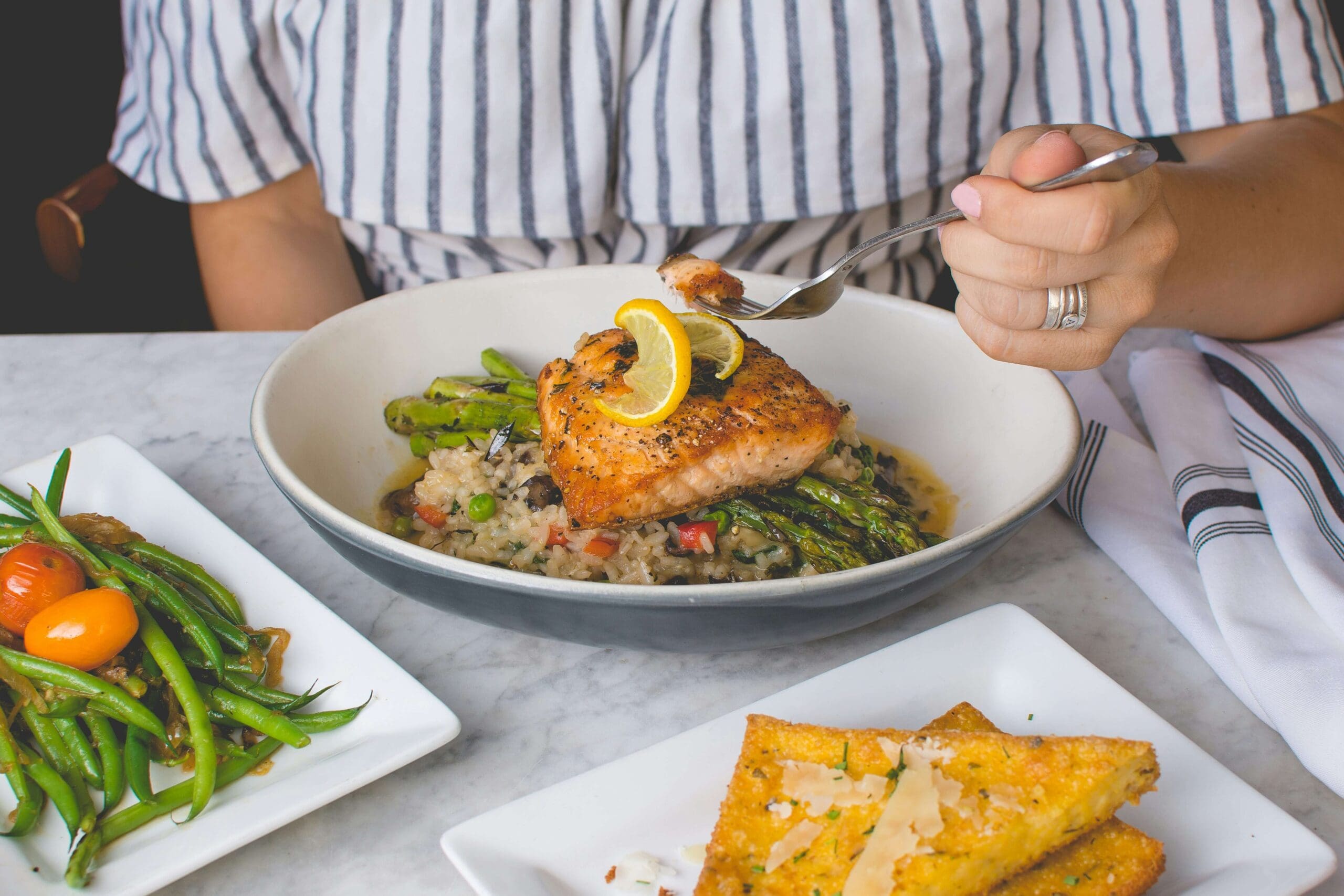
For example, one salmon fillet gives you vitamin B12, vitamin B6, and vitamin D in a single serving. Add a baked potato and some olive oil, and you’ve covered four of the five vitamins in one easy dinner. It really can be that simple.
Supplements still have their place. If your labs show a B12 or vitamin D deficiency, or your body has trouble absorbing nutrients, a supplement may be the fastest way to correct it. But you need to know what you need based on your bloodwork and treatment history, not guess based on a product label.
Learn more about healthy eating with cancer.
Why Work with The Oncology Dietitian™
You’ve probably found a dozen conflicting answers about neuropathy online. Take a B-complex! Avoid sugar! Buy this $180 nerve formula! But Google can’t tell you which vitamins you’re low in, whether your supplements are helping or hurting, or how to eat during and after treatment.
I’m Nichole Andrews, The Oncology Dietitian™, a registered dietitian with more than 15 years in cancer nutrition. In my VIP 1:1 Cancer Nutrition Coaching, I work with you personally to:
- Review your labs, treatment history, and symptoms to find nutrient gaps.
- Check your supplements so you can stop the ones that don’t help or could make neuropathy worse.
- Build simple meals with the vitamins, protein, and calories your nerves need to heal.
- Adjust your plan as your symptoms change, and your recovery moves forward.
My clients are often surprised by how simple their plan is. Four ingredients, something from the freezer, and dinner is done. You don’t need a complicated diet to support your nerves. You need a personalized plan, and someone in your corner who believes you can feel strong and healthy again.