
After a cancer diagnosis, food becomes complicated. One article tells you sugar feeds cancer, someone swears dairy is dangerous, and you’re also growing paranoid about soy. The noise is overwhelming, and the stakes feel impossibly high.
So, what are the cancer foods to avoid? Are there any?
The science shows that there are only two foods with definitive evidence linking them to increased cancer risk: alcohol and processed meats. That’s it.
All other foods can fit into a healthy diet in their own ways, and your overall eating patterns matter far more than blanket avoidance.
In this article, we’ll cover what the up-to-date evidence says about cancer foods to avoid and how to build an eating pattern that supports your health without the anxiety.
If you want to stop second-guessing every bite and start working toward clean scans with confidence, get The Clean Scan Plan! It’s a 10-page guide introducing my 5-Pillar approach with evidence-based nutrition and lifestyle strategies to reduce recurrence risk.
What Are the Cancer-Causing Foods to Avoid?
Only two foods have definitive, conclusive evidence linking them to increased cancer risk: alcohol and processed meats.
The research is detailed, consistent, and strong enough that major health organizations classify both as Group 1 carcinogens.
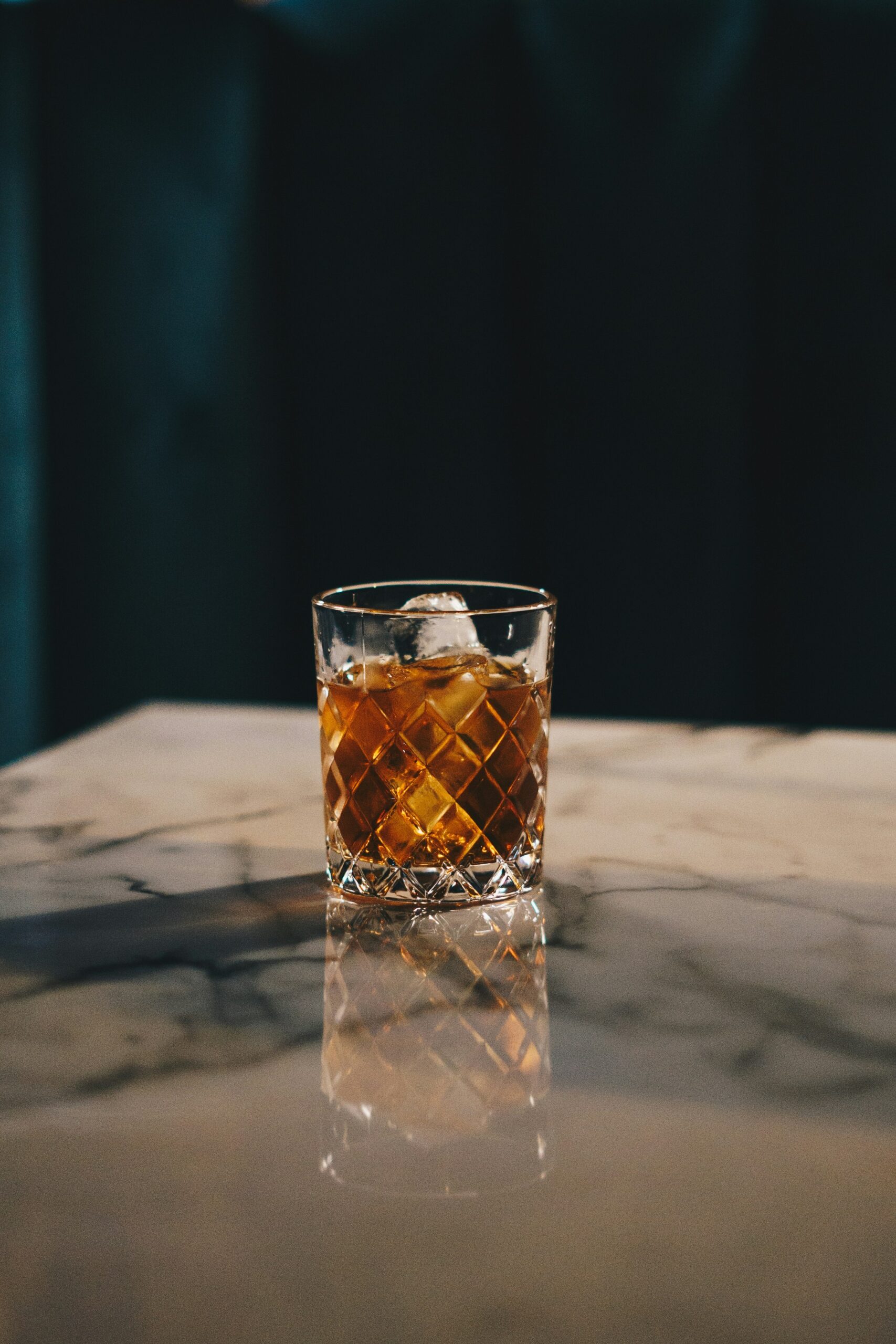
Alcohol
Alcohol is a Group 1 carcinogen, the same category as tobacco and UV radiation. This classification means there is conclusive scientific evidence that alcohol causes cancer.
It doesn’t matter if it’s wine, beer, or spirits. Your body processes all alcohol the same way, and that process damages your cells and increases cancer risk.
When your liver breaks down alcohol, it produces acetaldehyde, a toxic compound that directly damages your DNA. This damage interferes with how your cells repair themselves, which can lead to cells multiplying when they shouldn’t or surviving when they should die.
Alcohol also acts as a delivery system for other harmful substances, breaking down the protective barriers in your mouth and throat and making it easier for carcinogens to enter your cells.
Beyond DNA damage, alcohol disrupts how your body absorbs critical nutrients that protect against cancer, including vitamins D, C, E, and B vitamins like folate.
The evidence on alcohol and cancer is extensive:
- Up to 6% of cancer diagnoses and 4% of cancer deaths are linked to alcohol use.
- Women who have one drink a day have a 7% to 10% increase in breast cancer risk compared to non-drinkers.
- Women who consume two to three drinks a day have about a 20% higher risk.
- Even women who consume one or fewer drinks a day have a 5% increase in breast cancer risk.
- Around 76.7% of alcohol-attributable cancer cases occur in men.
- Colorectal cancer is the most common alcohol-associated cancer among men.
- Drinking alcohol can lead to liver cirrhosis (scarring), which is a known cause of liver cancer.
Overall, alcohol has been linked to at least seven different cancers: breast, bowel, liver, mouth and throat, oesophagus, and stomach by leading research organizations, such as the World Cancer Research Fund.
The less you drink, the lower your risk. There is no “safe” or “beneficial” amount of alcohol to drink.
What about red wine and antioxidants?
Red wine does contain resveratrol, but that antioxidant comes from grapes, not alcohol. You get the same benefit from eating grapes and berries without any of the cancer risk.
Alcohol itself provides no health benefit.
Any positive compounds in wine exist despite the alcohol, not because of it, and you can get those compounds from safer sources.
Learn more about alcohol and cancer risk.
Processed Meats
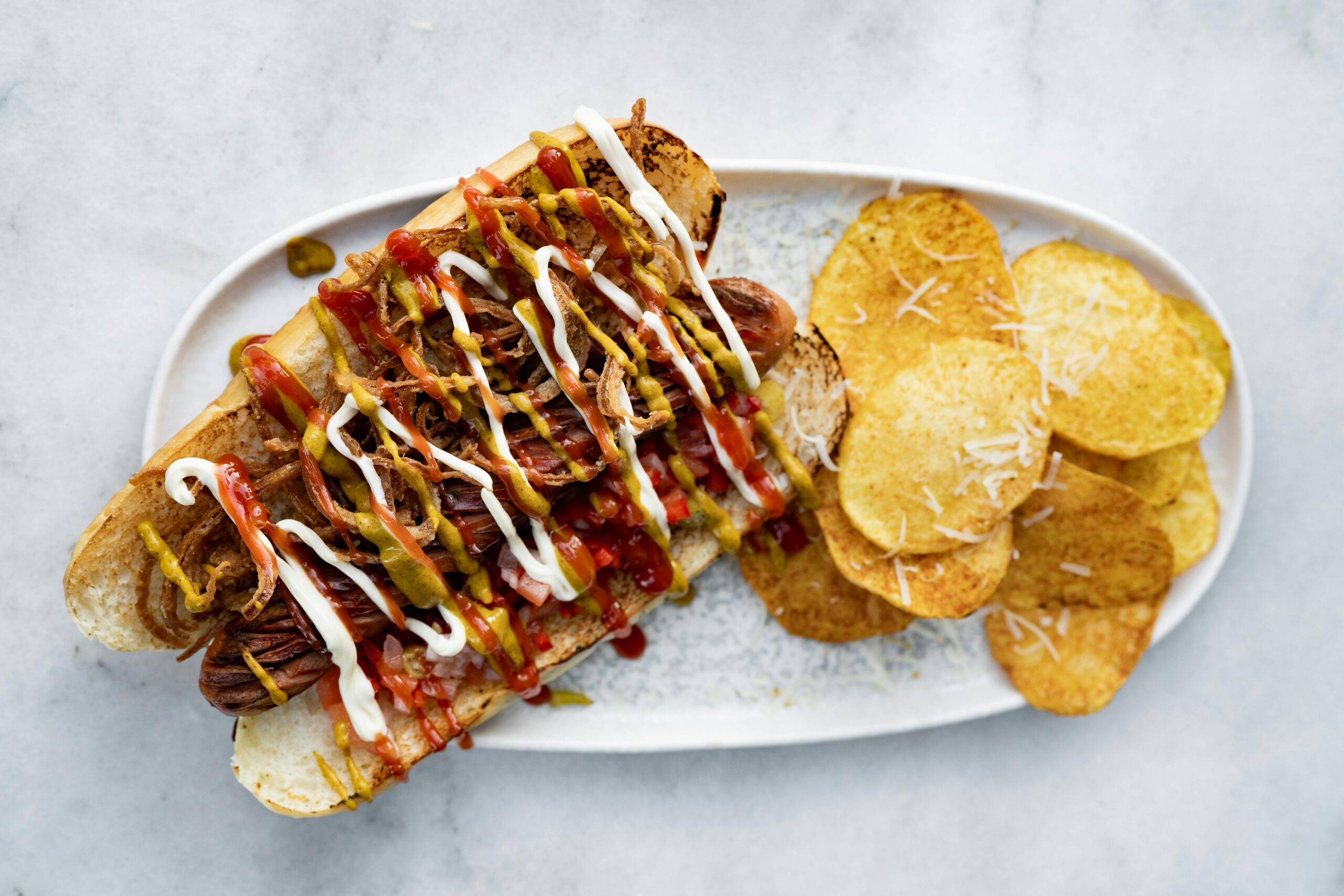
Processed meats are also classified as Group 1 carcinogens. This category includes any meat that has been preserved through smoking, curing, salting, or adding preservatives.
What counts as processed meat:
- Bacon, sausage, hot dogs
- Deli meats like ham, turkey, salami
- Pepperoni, chorizo, prosciutto
- Beef jerky
- Meats like corned beef or Spam
The issue comes from how these meats are preserved.
The curing process often uses nitrates and nitrites, which can form compounds called N-nitroso compounds in your body. These compounds damage the lining of your digestive tract and have been linked to increased colorectal cancer risk.
Cooking processed meats at high temperatures also creates harmful compounds called heterocyclic amines (HCAs) and polycyclic aromatic hydrocarbons (PAHs), both of which can damage DNA.
Research shows that eating just 50 grams of processed meat per day (about two slices of deli meat or one hot dog) increases colorectal cancer risk by about 18%.
Learn more about processed meat and cancer.
Aren’t There More Cancer Foods to Avoid?
You’ve probably heard about dozens of foods that supposedly “feed cancer” or cause recurrence. Here’s the truth: the only two foods that you need to worry about are processed meats and alcohol.
Here are foods that you don’t have to worry about:
Red Meat
Red meat includes beef, pork, lamb, and goat. You may have heard that red meat increases cancer risk, but truly, red meat is completely safe up to 18 ounces per week. You can enjoy red meat without fear and fit it into a healthy diet!
Here are a few examples of meals that you can make with red meat:
- Balanced Dinner Plate 3–4 oz lean sirloin steak (grilled or baked, not charred), 1 cup roasted broccoli and carrots, ½–1 cup quinoa or brown rice, drizzle of olive oil and herbs for flavor
- Quick Lunch Bowl 3 oz sliced tenderloin (leftover or freshly cooked), large handful mixed greens (spinach, arugula, romaine), ½ cup black beans or lentils, ¼ avocado, small scoop brown rice or farro, olive oil, and balsamic dressing
- Simple Stir Fry 3 oz lean beef strips (sirloin or flank) sautéed at moderate heat, 1–2 cups mixed vegetables (bell peppers, snap peas, mushrooms, broccoli), ½–1 cup brown rice, garlic, ginger, low-sodium sauce
These meals are nutritious and healthy.
Seed Oils
Seed oils, including canola, soybean, sunflower, and corn oil, have become a hot topic online. You’ve probably seen claims that they’re toxic or cause cancer. The science does not support these fears.
The concern usually centers on omega-6 fatty acids, which seed oils contain. Some people claim these fats promote inflammation and cancer, but your body needs both omega-6 and omega-3 fats.
In other words, the solution isn’t to eliminate omega-6s, but to make sure you’re also getting enough omega-3s from foods like fatty fish, walnuts, flaxseeds, and chia seeds.
When it comes to cancer risk specifically, there is no credible evidence linking seed oil consumption to cancer development.
When cooking at home, seed oils like canola and sunflower oil are safe and affordable options.
Sugar
One of the most persistent myths in cancer nutrition is that sugar “feeds” cancer. This idea causes enormous fear and anxiety, but it’s not supported by science.
All cells in your body, including cancer cells, use glucose (sugar) for energy. But that doesn’t mean eating sugar causes cancer to grow or spread. Your body tightly regulates blood sugar levels, and cancer cells can’t preferentially grab sugar from your bloodstream just because you ate dessert.
Does this mean you should eat unlimited sugar? No. High sugar intake can lead to weight gain, and excess weight does increase cancer risk. Foods high in added sugars are also typically low in nutrients.
My recommendation, as The Oncology Dietitian™, is to limit added sugars, not eliminate them out of fear. Focus on getting most of your carbohydrates from fruit, grains, and dairy, which provide fiber, vitamins, and minerals.
If you want dessert, go for it. I recommend a 100–300 calorie dessert daily. That’s a healthy amount that takes sugar off the pedestal and creates balance. Food is meant to be enjoyed, not feared!
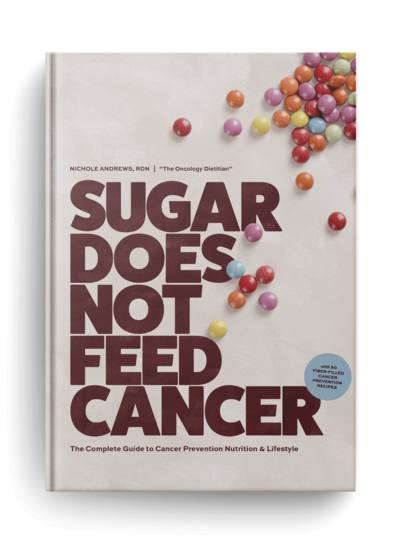
→ Learn more in my #1 bestselling book, Sugar Does Not Feed Cancer.
Coffee
Coffee has been extensively studied for its relationship to cancer risk, and the news is good. Coffee does not cause cancer. In fact, it may actually lower the risk of certain cancers, including liver and endometrial cancer.
Coffee contains hundreds of compounds, including antioxidants and anti-inflammatory substances that may offer protective benefits. Research consistently shows that moderate coffee consumption is safe and may even support overall health.
Dairy Products
Dairy products like milk, yogurt, and cheese have been the subject of conflicting advice. Some sources claim dairy causes cancer. Others say it’s protective. So what does the evidence show?
For most cancers, there is no convincing evidence that dairy increases risk. In fact, for colorectal cancer, dairy consumption is protective. The calcium and other nutrients in dairy may help reduce risk.
Soy Foods
You may have heard that soy causes cancer or that it’s dangerous for breast cancer survivors because it contains plant estrogens called isoflavones. This fear has caused many people to avoid healthy foods like tofu, edamame, tempeh, and soy milk.
But the plant estrogens in soy (isoflavones) aren’t the same as human estrogen, and the science is clear: soy does not increase cancer risk. In fact, studies show that soy actually helps reduce breast cancer risk.
Eating a Healthy Diet and Building an Anti-Cancer Plate
When it comes to cancer prevention and recovery, the conversation often focuses on what to avoid. But the more powerful approach is focusing on the cancer-fighting foods to add to your plate.
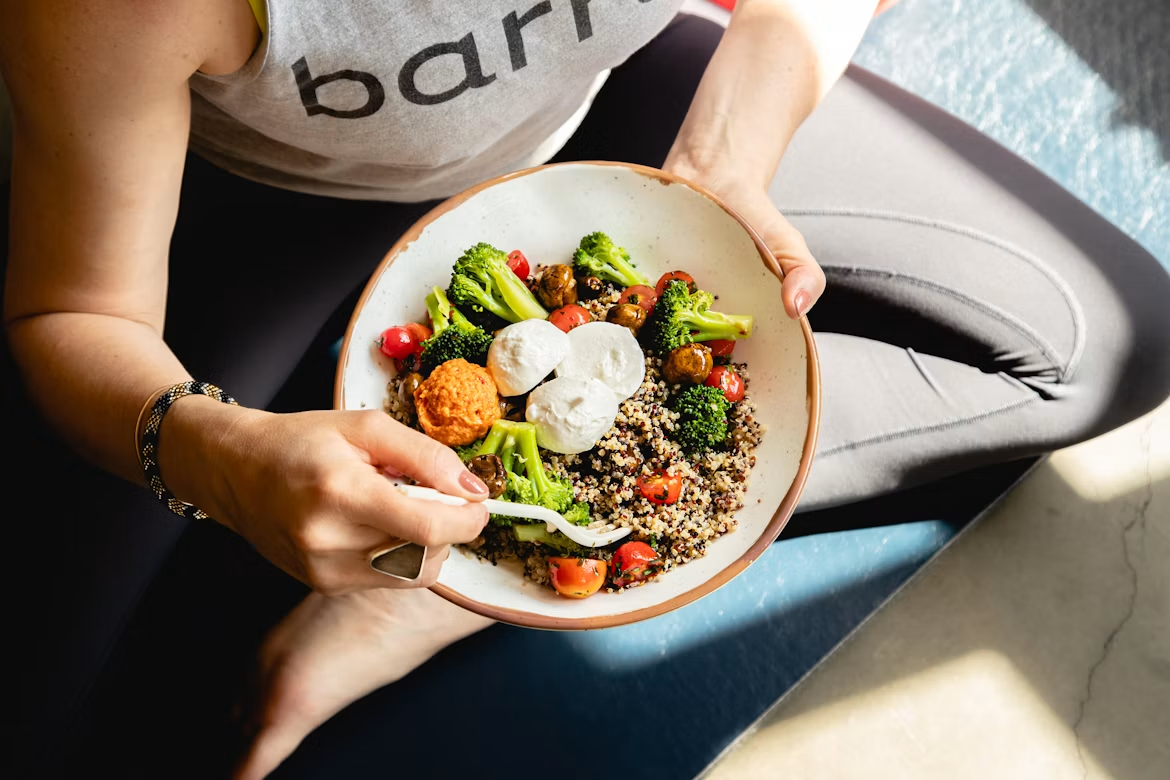
Instead of restricting and eliminating, think about crowding out less nutritious foods by filling your plate with nutrient-dense options that support your health, such as:
- Colorful vegetables like leafy greens, broccoli, bell peppers, and carrots
- Fresh and frozen fruits, especially berries, apples, bananas, and citrus
- Whole grains like quinoa, brown rice, oats, and whole wheat bread
- Beans and legumes, including lentils, chickpeas, and black beans
- Nuts and seeds such as almonds, walnuts, chia seeds, and ground flaxseed
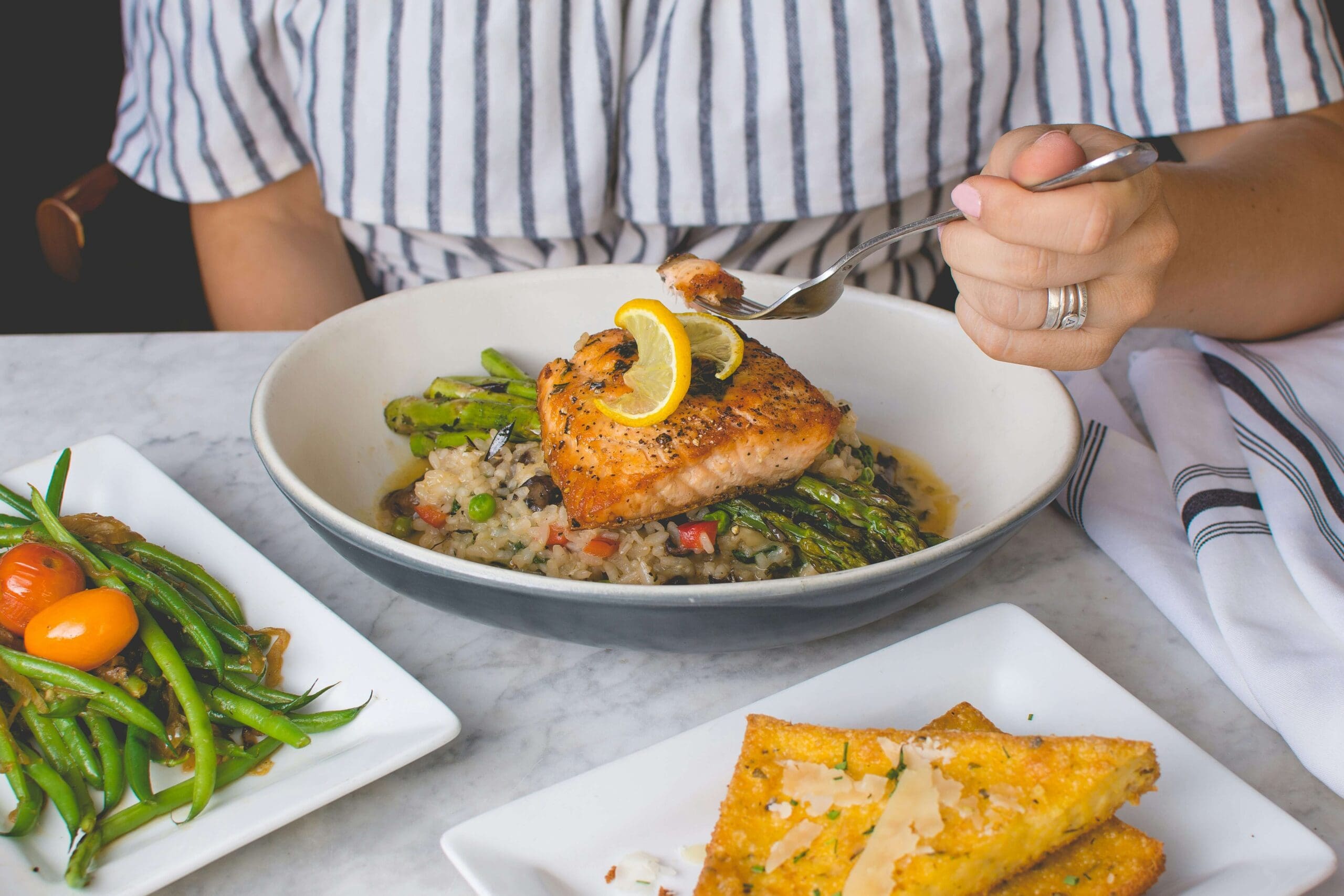
- Fatty fish like salmon, sardines, and mackerel
- Lean proteins, including chicken, turkey, eggs, and tofu
- Herbs and spices like turmeric, ginger, garlic, and cinnamon
- Healthy fats like avocados
These foods provide fiber, antioxidants, vitamins, minerals, and anti-inflammatory compounds that support your body’s natural defenses. They also help you stay at a healthy weight.
Learn more about anti-inflammatory foods and how they reduce cancer risk.
Managing Food Anxiety After Cancer
After cancer, food can become a source of stress and control. You want to do everything “right,” and that pressure can turn eating into something that feels really heavy.
There is no such thing as a perfect diet, and trying to achieve one will only cause more stress. You can care about what you eat and still enjoy a slice of birthday cake.
Flexibility is part of a healthy relationship with food, and a single meal, or even a single day, doesn’t raise your chances of cancer recurrence.
If food anxiety is consuming your thoughts or interfering with your life, learn more about my 1:1 Nutrition Coaching for Cancer Survivors.
This is also something you can learn more about in The Clean Scan Plan.
FAQs
What Can I Drink to Reduce Cancer?
No single drink will reduce your cancer risk, but staying hydrated with water is the best choice for your overall health. Green tea and coffee have been studied for their potential protective effects due to antioxidants and anti-inflammatory compounds, and both are safe and beneficial.
If you drink alcohol, eliminating or cutting back on it is one of the most impactful changes you can make for cancer prevention. The goal is 0, but anything less helps.
What Fruits Should Cancer Patients Avoid?
None! There are no fruits that cancer patients need to avoid. Fruit contains natural sugars, but it also provides fiber, vitamins, antioxidants, and other beneficial compounds that support health and recovery. The fructose in fruit does not feed cancer. Eating a variety of fresh or frozen fruits (yes, I said frozen fruits are safe—pretty cool, huh?!) is something I encourage as The Oncology Dietitian™.
Can Cancer Patients Eat Eggs?
Yes, eggs are a high-quality source of protein and contain important nutrients like choline, vitamin D, and B vitamins. There is no evidence that eating eggs increases cancer risk or harms cancer survivors. Eggs can absolutely be part of a balanced diet and a healthy lifestyle.
Can Cancer Patients Eat Bread?
Yes, bread is not a cancer-feeding food, and you can eat it as part of a balanced diet. In fact, you can make your bread a powerful way to reduce the risk of colon and breast cancer by choosing whole-grain options like whole wheat, rye, or sprouted grain bread.
Eating 30 grams of fiber a day reduces the risk of colon and breast cancer, and whole grains can get you there! Whole grains provide more fiber, vitamins, and minerals, which support your overall health and recovery.
What Are the Top 5 Cancer-Fighting Foods?
I don’t like positioning foods against each other or relying on some magical list, because what matters most is eating colorful foods at each meal. That said, here are five favorites we love at The Oncology Dietitian™:
- Berries (blueberries, strawberries, raspberries): High in polyphenols and anthocyanins, which help reduce oxidative stress and inflammation linked to cancer progression. They support DNA protection and may slow abnormal cell growth. Berries also provide fiber, which supports your gut microbiome and plays a role in reducing colon cancer risk.
- Whole Grains (oats, quinoa, brown rice, farro): Rich in fiber, which is associated with lower colorectal cancer risk through improved digestion and reduced inflammation. They contain resistant starch that feeds beneficial gut bacteria and produces short-chain fatty acids like butyrate, which protect colon cells. Whole grains also help regulate blood sugar and insulin, which is important since insulin resistance is linked to cancer recurrence risk.
- Dark Leafy Greens (spinach, kale, arugula): High in folate, which supports DNA repair and proper cell division. They contain carotenoids and antioxidants linked to reduced oxidative damage, and provide magnesium and fiber to support metabolic health and inflammation control.
- Coffee and Tea: Rich in polyphenols like catechins in green tea, which reduce inflammation and may inhibit tumor growth pathways. Coffee consumption is associated with a lower risk of certain cancers, including colorectal and liver cancer, in observational studies. Both support liver function and metabolic health.
- Cherries (especially tart cherries): Contain anthocyanins that help reduce inflammation and oxidative stress. They may help regulate inflammatory markers linked to chronic disease and cancer risk, and support recovery, sleep, and muscle repair, which indirectly supports overall resilience during and after treatment.
If you don’t like them, swap them out for other colorful, whole foods that you enjoy.
So, What Cancer Foods to Eat and Avoid?
The evidence is clear on two foods: avoid alcohol and processed meats. Both are classified as Group 1 carcinogens with strong evidence linking them to increased cancer risk.
At the same time, many of the foods that often cause fear and confusion are safe. Coffee and dairy don’t increase cancer risk, sugar doesn’t feed cancer, seed oils aren’t “toxic,” and you can enjoy red meat up to 18 ounces per week. Soy is safe to eat, too.
Nothing feeds cancer 💪
But what matters a lot more than avoiding or eating certain foods is not letting fear drive your choices and enjoying your life (and food!) after cancer treatment.
If you’re ready, learn more about my 1:1 Nutrition Coaching for Cancer Survivors.
Not looking for 1:1 support yet? A great place to start is my 10-page guide, The Clean Scan Plan. Join the 10,000+ readers and get a nutrition and lifestyle guide to help you stop guessing every bite and work toward clean scans, naturally.
References
- https://www.bcrf.org/about-breast-cancer/alcohol-breast-cancer-risk/
- https://www.cancer.gov/about-cancer/causes-prevention/risk/alcohol/alcohol-fact-sheet
- https://www.pcrm.org/good-nutrition/nutrition-information/processed-meat
- https://www.cancer.org/cancer/risk-prevention/diet-physical-activity/how-diet-and-physical-activity-impact-cancer-risk/red-meat-and-cancer.html
- https://www.wcrf.org/about-us/news-and-blogs/are-seed-oils-good-or-bad-for-our-health/
- https://med.stanford.edu/news/insights/2025/10/the-sugar-cancer-connection–five-things-you-should-know.html
- https://pmc.ncbi.nlm.nih.gov/articles/PMC6140161/#:~:text=4,%2C%20depression%2C%20and%20liver%20disease.
- https://pmc.ncbi.nlm.nih.gov/articles/PMC6518136/
- https://pmc.ncbi.nlm.nih.gov/articles/PMC8931954/
- https://pmc.ncbi.nlm.nih.gov/articles/PMC10582578/
- https://www.wcrf.org/preventing-cancer/topics/alcohol-and-cancer/
- https://www.uclahealth.org/news/article/how-fiber-supports-overall-health-and-lowers-risk-colorectal
- https://pubmed.ncbi.nlm.nih.gov/38392069/
- https://pmc.ncbi.nlm.nih.gov/articles/PMC5872786/
- https://www.thelancet.com/article/S1470-2045(21)00279-5/fulltext
- https://www.cdc.gov/cancer/risk-factors/alcohol.html