Have you been told to cut carbs, swear off sugar, and buy every organic vegetable in the store? As The Oncology Dientian™, I want you to know that good nutrition with bladder cancer is about giving your body strength and fuel.
If you’re wondering what to eat during or after treatment, here are simple, balanced, and realistic bladder cancer diet recipes that are both healthy and satisfying.
Want somewhere to start today? Download The Clean Scan Plan, my guide to eating during and after cancer with my signature five-pillar method, so every meal is working toward clean scans.
What Should I Eat If I Have Bladder Cancer?
Nutrition during bladder cancer treatment is incredibly important. It helps you hold onto muscle, keep your energy up, tolerate treatment better, and give your body the fuel it needs to repair.
But food should never become a source of fear. In my practice, I see so many survivors take that motivation to eat healthy and turn it into restriction, cutting out whole food groups because something they read online told them carbs or sugar were dangerous.
For bladder cancer patients, the goal is to build your body up. That means plenty of plants for variety and fiber, protein to protect your muscle, healthy fats for energy, carbohydrates to keep you fueled, and steady hydration. Here’s what eating like that looks like in practice.
7 Bladder Cancer Diet Recipes from The Oncology Dietitian™
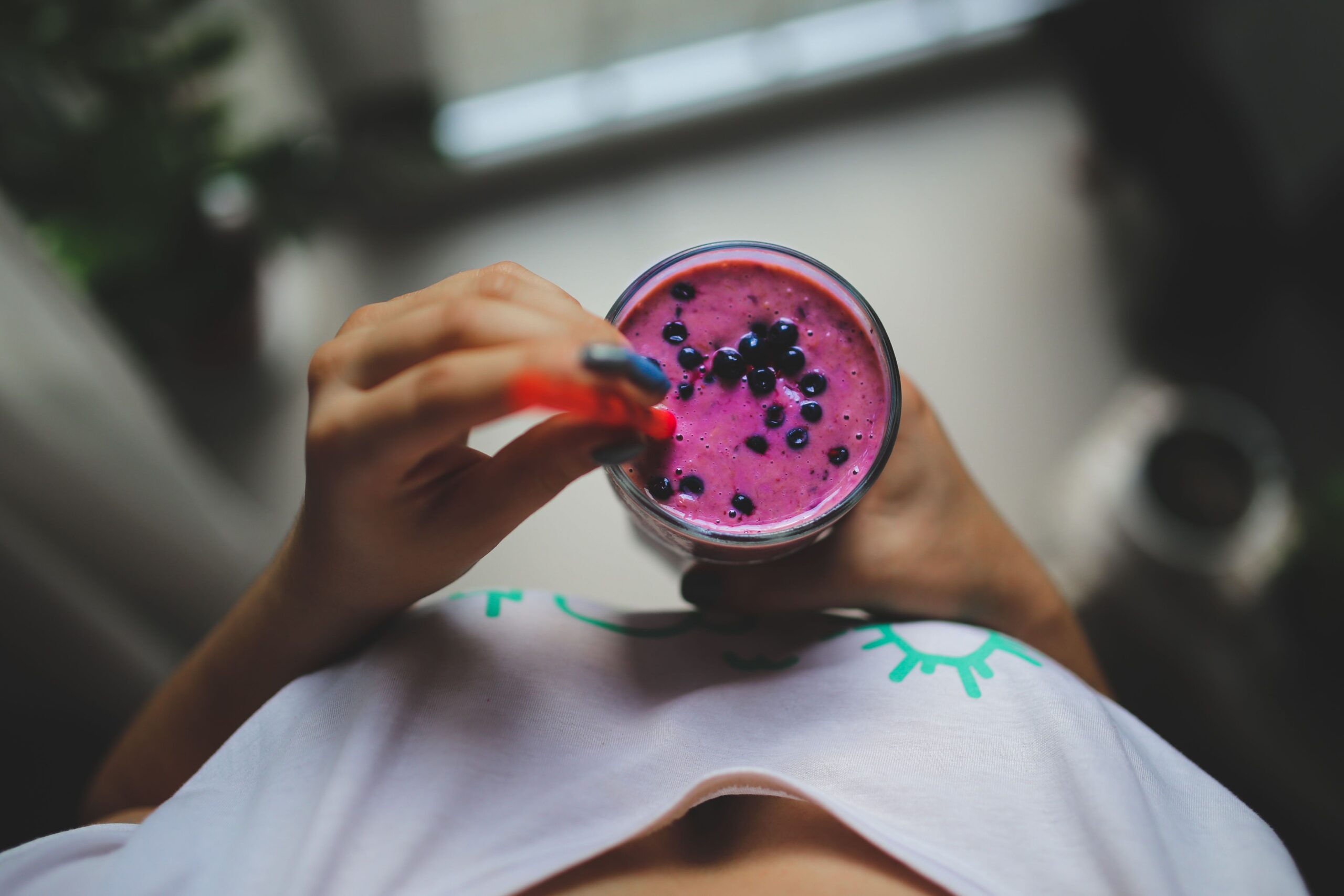
Blueberry Walnut Overnight Oats
This is one of the easiest breakfasts to keep on hand for mornings when your appetite is low, or cooking sounds like too much! You get whole grains, berries, healthy fats, fiber, and a good hit of protein from the Greek yogurt, all in one bowl you made the night before.
You can eat it cold from the fridge to save time and energy.
Ingredients
- 1/2 cup rolled oats
- 1/2 cup milk or unsweetened fortified soy milk
- 1/3 cup plain Greek yogurt
- 1/2 cup blueberries
- 1 tablespoon chia seeds
- 1 tablespoon chopped walnuts
- 1/2 teaspoon cinnamon
- 1 teaspoon maple syrup or honey, optional
- Splash of vanilla extract, optional
How to make it
- Add the oats, milk, Greek yogurt, chia seeds, cinnamon, and vanilla to a jar or bowl.
- Stir everything together until well combined.
- Fold in the blueberries.
- Cover and refrigerate overnight, or for at least 4 hours.
- In the morning, stir again and add a splash of milk if you want a thinner texture.
- Top with the walnuts before eating.
Mediterranean Chickpea Quinoa Bowl
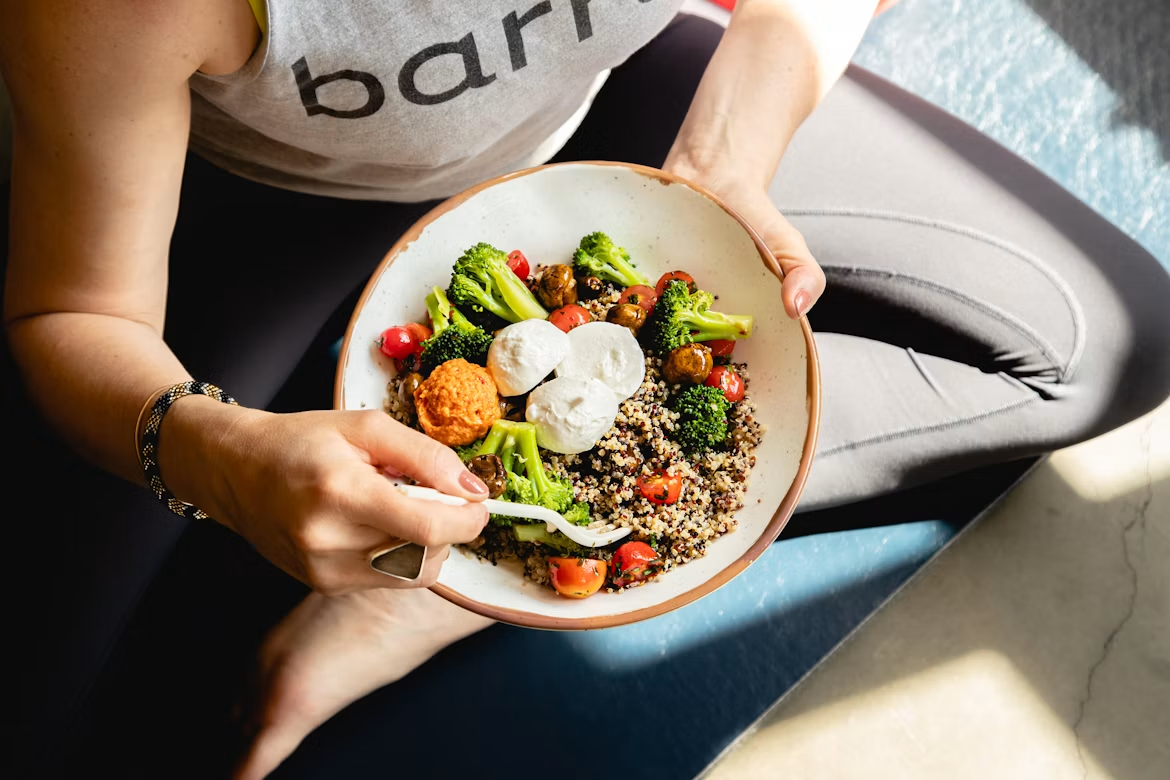
This lunch is colorful, filling, and loaded with plant variety. Instead of chasing one so-called superfood, you get whole grains from quinoa, plant protein and fiber from chickpeas, healthy fats from avocado and tahini, and a handful of different vegetables in a single bowl.
It’s a delicious, repeatable meal.
Ingredients
For the bowl
- 1 cup cooked quinoa
- 3/4 cup chickpeas, rinsed and drained
- 1 cup baby spinach
- 1/2 cup chopped cucumber
- 1/2 cup cherry tomatoes, halved
- 1/2 red bell pepper, chopped
- 1/4 avocado, sliced
- 2 tablespoons chopped parsley
For the dressing
- 1 tablespoon tahini
- 1 tablespoon lemon juice
- 1 teaspoon extra-virgin olive oil
- 1 to 2 tablespoons water
- Pinch of garlic powder
- Black pepper to taste
How to make it
- Cook the quinoa according to package directions and allow it to cool slightly.
- Add the quinoa to a large bowl.
- Top with chickpeas, spinach, cucumber, tomatoes, red bell pepper, avocado, and parsley.
- In a small bowl, whisk together the tahini, lemon juice, olive oil, water, garlic powder, and black pepper.
- Drizzle the dressing over the bowl.
- Toss everything together or leave the ingredients layered and enjoy.
Sheet-Pan Salmon, Sweet Potato, and Broccoli
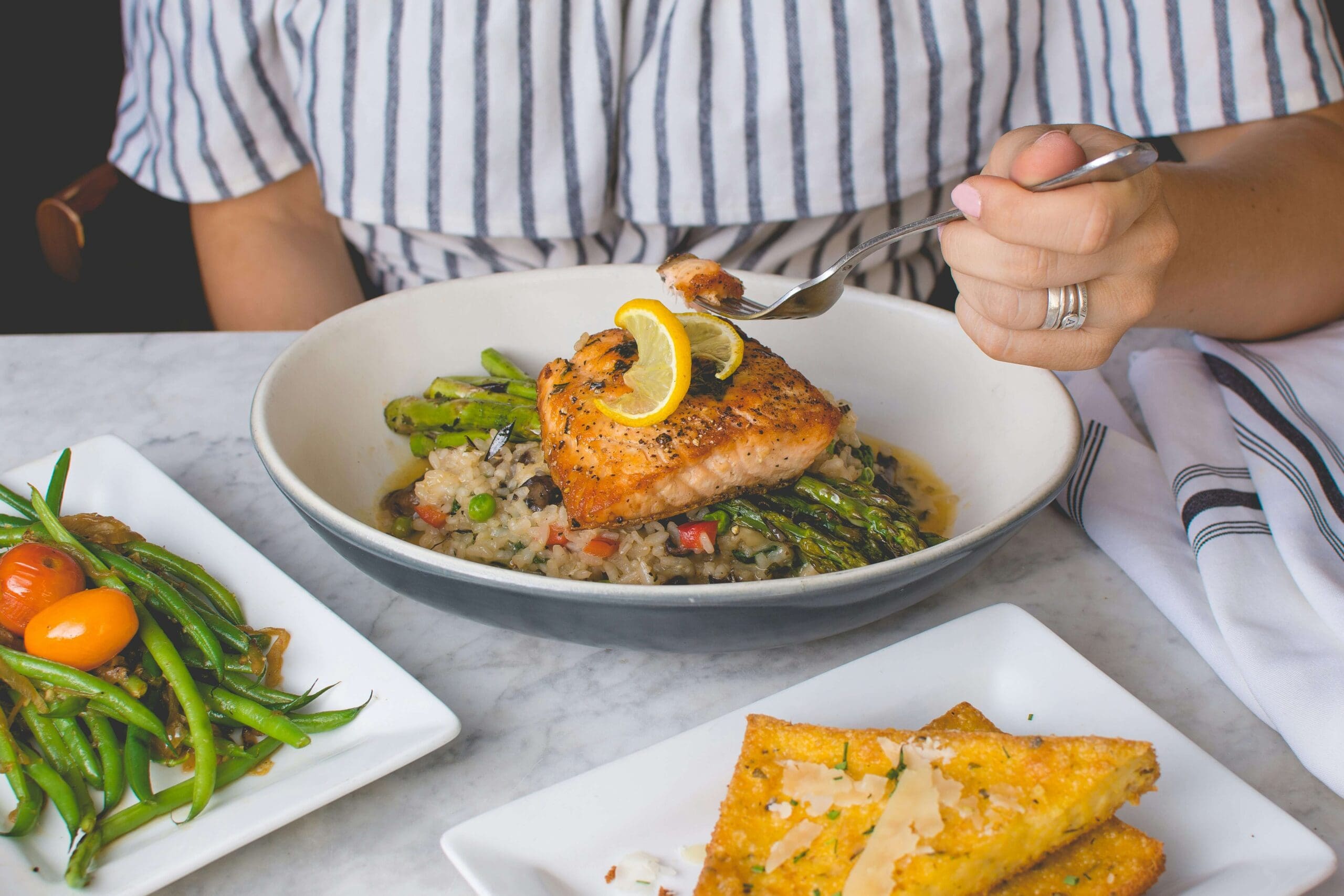
When your energy is low, the last thing you need is five pans going at once. This entire dinner cooks on one sheet pan, so it’s an easy way to get important nutrients in for your bladder health.
The salmon gives you high-quality protein and beneficial fats for muscle maintenance and recovery, the sweet potato brings energy and fiber, and the broccoli adds a cruciferous vegetable to your plate.
Ingredients
- 2 salmon fillets, about 4 to 6 ounces each
- 1 medium sweet potato, cut into small cubes
- 2 cups broccoli florets
- 1 tablespoon extra-virgin olive oil
- 1 teaspoon garlic powder
- 1/2 teaspoon smoked paprika
- 1/2 teaspoon dried oregano
- Black pepper to taste
- Lemon wedges for serving
How to make it
- Preheat the oven to 400°F.
- Line a sheet pan with parchment paper.
- Place the sweet potato cubes on the pan and toss with half of the olive oil.
- Roast the sweet potatoes for 15 minutes.
- Remove the pan from the oven and add the broccoli and salmon.
- Drizzle the remaining olive oil over the broccoli and salmon.
- Sprinkle everything with garlic powder, paprika, oregano, and black pepper.
- Return the pan to the oven and bake for another 12 to 15 minutes, or until the salmon flakes easily with a fork and reaches a safe internal temperature.
- Serve with fresh lemon if tolerated.
Apple Cinnamon Greek Yogurt Crunch
This is one of my favorite snacks that gives you protein, carbohydrates, fiber, and healthy fats in a bowl that takes about two minutes to put together. The Greek yogurt is a great protein source. If you don’t feel like eating a full meal, it’s a great way to get enough calories and nutrients in.
Ingredients
- 3/4 cup plain Greek yogurt
- 1 small apple, diced
- 1 tablespoon chopped walnuts
- 1 tablespoon ground flaxseed
- 1/2 teaspoon cinnamon
- 1 teaspoon maple syrup or honey, optional
How to make it
- Add the Greek yogurt to a bowl.
- Top with the diced apple.
- Sprinkle with walnuts, flaxseed, and cinnamon.
- Add a small drizzle of maple syrup or honey if you prefer it sweeter.
- Stir together and enjoy.
Dark Chocolate Berry Chia Pudding
This chia pudding gives you something sweet while bringing in berries, seeds, fiber, and healthy fats at the same time. It’s proof that survivors don’t need to live afraid of every food that tastes good.
Ingredients
- 3 tablespoons chia seeds
- 3/4 cup milk or fortified unsweetened soy milk
- 1 tablespoon unsweetened cocoa powder
- 1/2 teaspoon vanilla extract
- 1 to 2 teaspoons maple syrup or honey
- 1/2 cup raspberries, strawberries, or blueberries
- 1 tablespoon chopped walnuts, optional
How to make it
- Add the chia seeds, milk, cocoa powder, vanilla, and maple syrup to a jar or bowl.
- Whisk well so the cocoa powder is completely mixed in.
- Let it sit for 5 minutes, then stir again to prevent clumping.
- Cover and refrigerate for at least 2 hours or overnight.
- Top with berries and walnuts before serving.
Strawberry Cucumber Hydration Refresher
Hydration is always important, but it’s especially important for bladder cancer. Treatment, appetite changes, nausea, and simply not feeling like drinking can all leave you falling behind on fluids.
Adding strawberries, cucumber, and mint makes water more appealing, and having a few options like this on hand makes it easier to keep drinking through the day.
Ingredients
- 4 cups cold water
- 1/2 cup sliced strawberries
- 1/2 cucumber, thinly sliced
- 6 to 8 fresh mint leaves
- Juice from 1/2 lemon or lime, optional
- Ice
How to make it
- Add the strawberries, cucumber, and mint to a large pitcher.
- Gently press the fruit and mint with the back of a spoon to release some flavor.
- Add the water and lemon or lime juice if using.
- Refrigerate for 30 minutes to allow the flavors to infuse.
- Serve over ice.
- Refill the pitcher with water throughout the day if desired.
Freezer-Friendly Blueberry Oat Breakfast Muffins
I love that you can make this recipe once and eat it all week, which is helpful on appointment mornings and treatment days. These muffins also come in handy when you know you need to eat, but you’re tired and have no energy to cook.
Grab one from the freezer, and you’ve got whole grains, fruit, protein, fiber, and healthy fats ready to go.
Ingredients
- 2 cups rolled oats
- 2 ripe bananas, mashed
- 2 eggs
- 1 cup plain Greek yogurt
- 1/4 cup milk or fortified soy milk
- 1 tablespoon ground flaxseed
- 1 teaspoon baking powder
- 1 teaspoon cinnamon
- 1 teaspoon vanilla extract
- 1 cup blueberries
- 1/3 cup chopped walnuts, optional
How to make them
- Preheat the oven to 350°F.
- Lightly grease a 12-cup muffin tin or line it with muffin liners.
- Mash the bananas in a large mixing bowl.
- Add the eggs, Greek yogurt, milk, and vanilla and whisk until combined.
- Stir in the rolled oats, flaxseed, baking powder, and cinnamon.
- Fold in the blueberries and walnuts.
- Divide the mixture evenly between the muffin cups.
- Bake for 20 to 25 minutes, or until the centers are set and a toothpick comes out mostly clean.
- Allow the muffins to cool completely.
How to freeze them
Place the cooled muffins in a freezer-safe container or bag and freeze for up to 3 months. To reheat, microwave one muffin for about 30 to 60 seconds, depending on your microwave.
How to Build Your Plate During and After Bladder Cancer Treatment
When you’re figuring out what to eat during and after bladder cancer treatment, I want you thinking in terms of what to add rather than what to remove. My signature Oncology Dietitian Plate Method™ gives you a clear, repeatable way to build a meal with confidence. Here’s how it works.
1. Fill Half Your Plate with Plants
Make vegetables, fruit, beans, lentils, whole grains, leafy greens, nuts, and seeds about half of what you eat. You’re after variety here, so aim for a range of colors across the week. There’s no one “cancer-fighting” plant food or single vegetable that can “cure bladder cancer.” All plant foods are good foods.
There’s some evidence around vegetables, cruciferous ones like broccoli in particular, for bladder cancer, but it isn’t strong enough to mean you need broccoli every single day. A steady, diverse mix of plants is what’s best for a healthy diet.
2. Do NOT Restrict Carbohydrates
As The Oncology Dietitian™, I see so many bladder cancer patients cut carbs out completely, convinced that it’ll support healing. Carbohydrate intake hasn’t been tied to bladder cancer risk, so pulling them from your plate has no evidence behind it.
Your brain, muscles, and healthy cells all run on carbohydrates, and during treatment you need that steady fuel more than usual. Whole grain bread, brown rice, beans, lentils, fruit, and starchy vegetables should all be a part of a balanced diet. They support gut health, aid your immune system, prevent blood sugar spikes, and help you get adequate calories in.
Learn more about healthy eating with cancer and what it does and doesn’t include.
3. Get Enough Protein
Fill about a quarter of your plate with protein, such as fish, poultry, eggs, beans, lentils, tofu, or leaner dairy like Greek yogurt and cottage cheese. Protein is what protects your muscle through treatment, and holding onto muscle mass is tied to how well you tolerate it.
Getting enough protein, especially around treatment, is one of the best you can do for your recovery.
If you’re looking for ideas, try these simple protein bars.
4. Add Healthy Fats
Use the rest of the plate for foods that are high in healthy fats, such as avocado, nuts, seeds, olives, and plant oils. These add calories in a small volume, which helps when your appetite is low, and they make food taste good.
Learn more about anti-inflammatory foods.
5. Stay Hydrated
Hydration is essential during and after bladder cancer treatment. Appetite changes, nausea, and diarrhea can make you dehydrated, so try to keep water within reach and take small sips throughout the day. You can dress it up with fruit, cucumber, or mint if plain water sounds boring.
Drinking more water doesn’t cure cancer or prevent bladder cancer recurrence, but staying well hydrated helps your entire body work better, which, in turn, helps it fight cancer cells more efficiently.
6. Go Easy on Supplements
You do NOT need to take eight different supplements a day. In fact, that’s likely a bad idea.
No supplement has been clearly shown to lower bladder cancer risk or recurrence, and “natural” does not mean harmless. Certain supplements interact with cancer medications, change how those medications are processed, or add stress to your body for no benefit.
Food always comes first, and you should talk to your oncology team before taking anything.
What Not to Eat If You Have Bladder Cancer?
When it comes to oncology nutrition, there is a short list of what to limit or ideally cut out from your diet altogether. There are two things with strong, consistent evidence linking them to increased cancer risk: processed meat and alcohol.
Processed meat means bacon, hot dogs, deli meats, and other cured or preserved products, and it’s tied to higher recurrence risk in bladder cancer specifically.
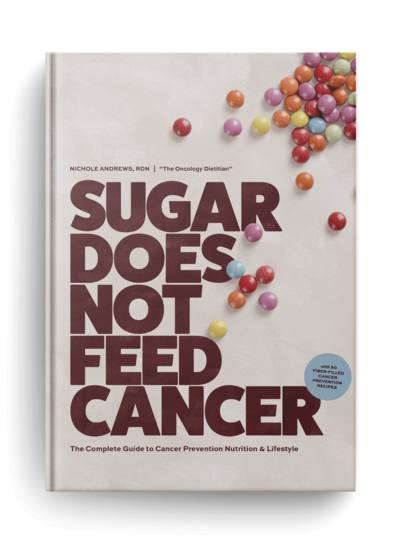
Beyond that, your plate is wide open. Dairy, bread, sugar, soy, fruit, and non-organic produce are all safe. And yes, dessert and a little added sugar can fit too! Cancer nutrition does not require a sugar-free life, so let food be both enjoyable and nourishing.
Get Clear, Evidence- Based Nutrition Guidance with The Oncology Dietitian™
If this blog felt like the first honest, evidence-based answer you’ve gotten about eating after cancer, I want that relief to become your new normal. Maybe a part of you is thinking, wait a minute, I don’t have to cut out all the foods I love after all.
I’m Nichole Andrews, The Oncology Dietitian™, a registered dietitian with 15+ years in cancer nutrition and more than 1,000 survivors coached one-on-one, from newly diagnosed to deep into survivorship.
My clients come to me overwhelmed and afraid of food. They graduate telling me, “I don’t have a single myth that stops me in my tracks,” free to bake their kid’s birthday cake and have a slice, order what they want at dinner, and add things like dairy and soy back into their diet.
Inside my VIP 1:1 Cancer Nutrition Coaching, you get evidence-based guidance, personalized attention, and accountability through treatment and recovery, so you can eat well and feel normal again for good.
Apply for VIP 1:1 Cancer Nutrition Coaching today!