When you ask your oncology team about healthy eating with cancer, the answer is usually some version of “eat anything you want.” But that gives you no answer at all.
So you do what you’ve always done: you go all in. You’re motivated, you’re paying attention, and you’re not willing to miss one thing that might help you heal. So you start researching.
Within an hour, you’ve got 40 foods to avoid, three miracle diets that promise to starve the tumor, and a wellness account trying to sell you apricot kernels. Now you’re more confused and scared than when you started.
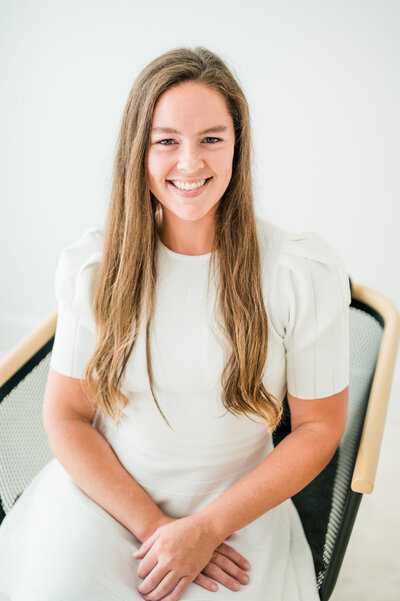
As The Oncology Dietitian™, I can tell you that your oncology team isn’t necessarily wrong. There are no forbidden foods when you have cancer. But “eat anything” doesn’t tell you what to put on your plate so you feel stronger and not only like yourself again, but better than you have in years.
So, here’s everything you need to know about healthy eating and cancer!
If you’re tired of the constant worry over what you’re eating, get The Clean Scan Plan! It’s a one-of-a-kind 10-page guide packed with the exact evidence-based strategies I share with my clients, so you can stop second-guessing every bite and start walking into every scan feeling calm, strong, and ready.
Why “Eat Anything” Feels So Confusing
Your oncology team tells you to eat anything because, clinically, they’re right.
No single food is going to make or break your outcome, so you can stop fearing individual ingredients. But what you eat overall makes an enormous difference.
Eating enough calories, getting protein at every meal, and filling your plate with plants changes how you feel, how you recover, and how well your body holds up through treatment.
The trouble is that “eat anything” gives you permission, but no direction.
You’ve just been handed the “you have cancer” news, which is the biggest health challenge of your life, with guidance that amounts to a shrug. Of course you went looking for something more solid, and the internet is thrilled to fill that space.
Fear gets clicks, and there’s no shortage of lists with “cancer-causing foods.”
To help you get more clarity, I’ll give you a very short list of what to limit, and then a long list of what to add to your diet during and after cancer treatment.
What Not to Eat to Fight Cancer?
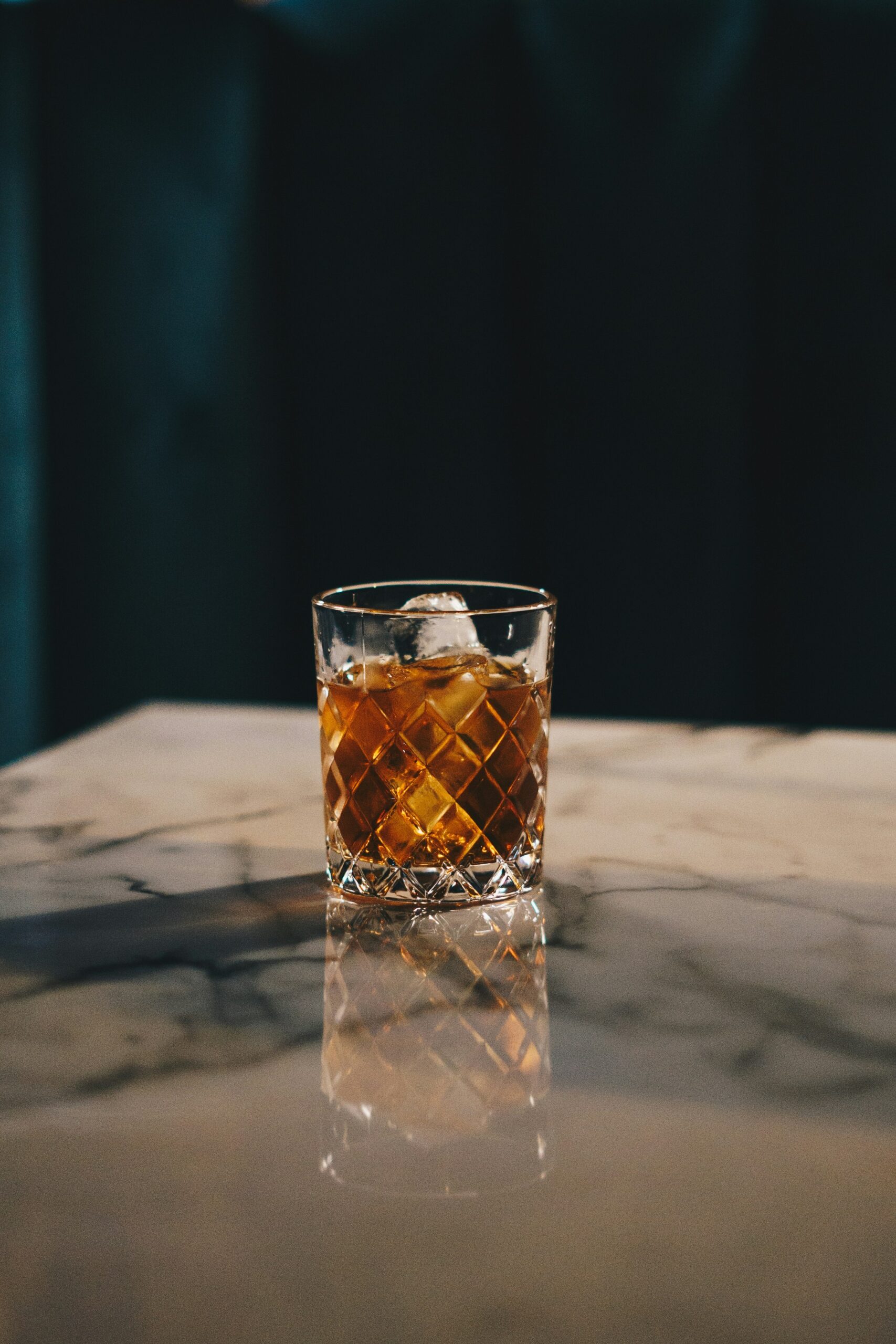
There are only two things that have strong, consistent evidence linking them to increased cancer risk: alcohol and processed meat. Those are worth limiting, and ideally, cutting out completely.
Beyond that, follow basic food safety while your immune system is busy fighting cancer.
To clean your fruits and vegetables, all you need is water. Yup, just plain water rinses away the vast majority of surface bacteria, no fancy produce wash required! You should also choose pasteurized dairy and juices, cook meat and eggs thoroughly, and toss anything past its prime.
And that’s the whole list. There’s no secret food working against you behind the scenes. You don’t need to fear sugar, soy, gluten, dairy, carbs, or anything else. Nothing feeds cancer! 💪
What Does Healthy Eating with Cancer Look Like?
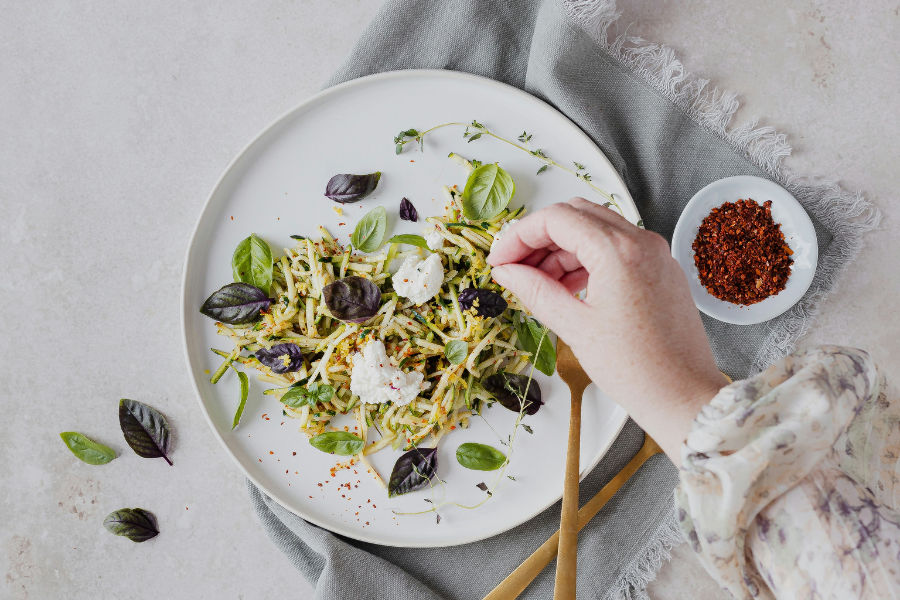
Healthy eating with cancer is an adding game. Rather than building meals around what’s off-limits, you build them around what fuels you.
Your body is doing remarkable work right now. Behind the scenes, it’s constantly repairing tissue, renewing cells, supporting your immune system, and adapting to the stress of treatment.
All of that runs on energy and nutrients. Every meal, snack, and sip gives your body more of the tools it needs to heal and stay resilient. And even small amounts count, because every bit of nourishment is another chance to support your body’s incredible ability to repair and rebuild.
That’s the basic principle, but let’s take a closer look at the cancer-fighting foods to reach for!
What Are the Healthiest Foods to Eat When You Have Cancer?
As The Oncology Dietitian™, I don’t like drawing hard lines between “healthy” and “unhealthy” foods.
Most foods can fit into a way of eating that supports you. What you’re after is solid nutrition with enough protein, carbohydrates, and healthy fats to support everything your body is trying to do right now.
Your body replaces an estimated 330 billion cells every single day. During treatment, that demand climbs even higher as your body repairs healthy tissue, holds onto muscle, supports immune function, and recovers from the stress of treatment.
Cancer patients can lose up to 20% of their muscle mass during treatment, which is one reason I push protein so hard with my clients. Muscle isn’t just about strength. It’s tied to how well you tolerate treatment, your energy, your recovery, and even your long-term outcomes.
Your immune system is just as busy. A single drop of blood holds thousands of immune cells working around the clock to spot threats, clear damaged cells, and support healing.
That’s why I focus so heavily on helping clients eat enough. Not perfectly. Enough. Enough protein to rebuild, enough carbohydrates to fuel your cells, and enough healthy fats to support hormone production and nutrient absorption.
And yes, enough flexibility to enjoy a cookie or a square of chocolate after dinner if it sounds good! Because cancer nutrition isn’t about restriction. It’s about giving your body what it needs to do its job.
With that said, here are some of my favorite foods to add to your plate.
Colorful Fruits and Vegetables
The different colors in fruits and vegetables come from naturally occurring plant compounds called phytochemicals. Scientists have identified thousands of them, many acting as antioxidants that support your body’s natural defenses against inflammation and cellular damage.
It’s why I tell survivors to “eat the rainbow.” The more colors you get across your week, the wider the range of these protective compounds you take in!
Fruits and vegetables to eat:
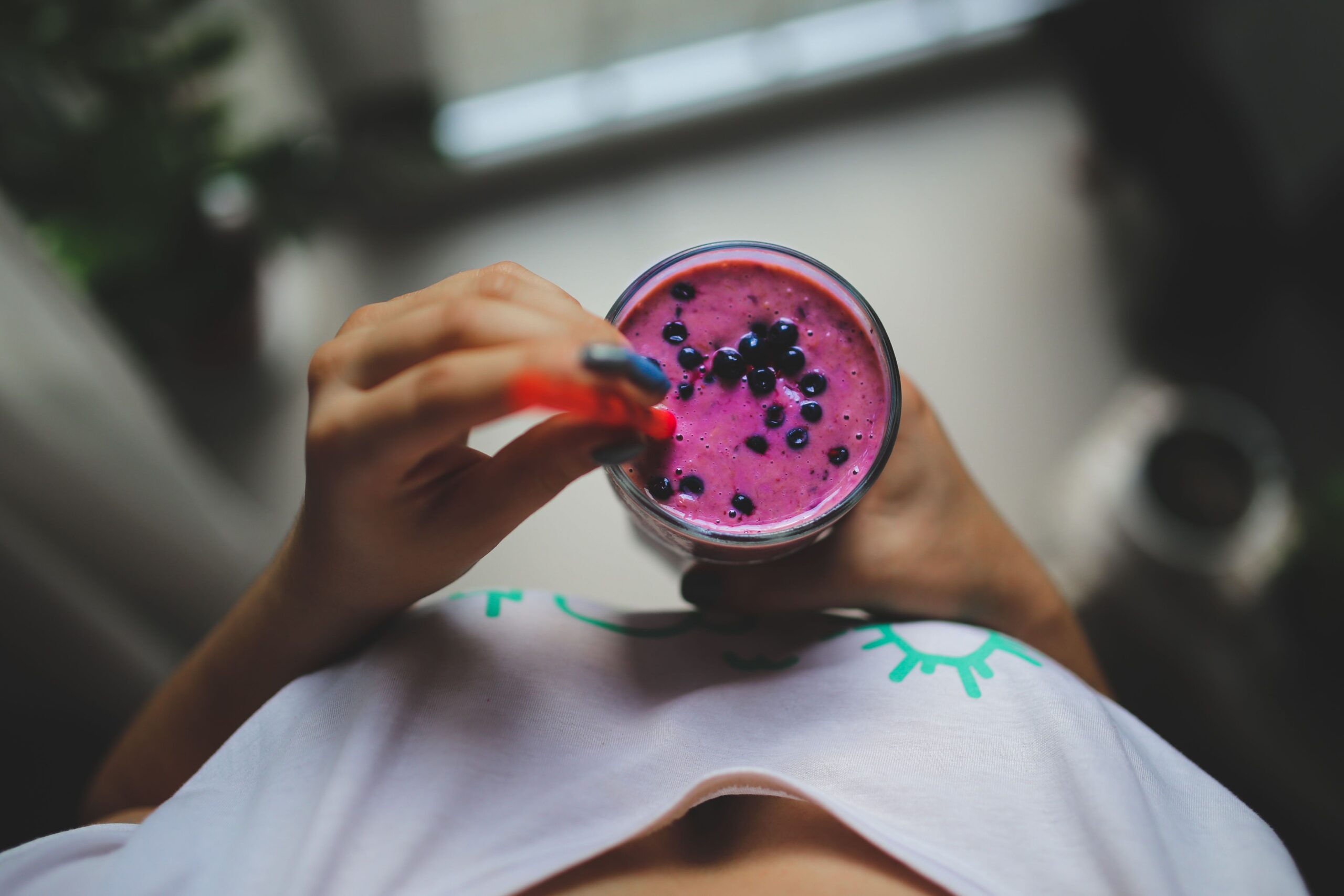
- Berries like blueberries, strawberries, and raspberries
- Leafy greens like spinach, kale, and arugula
- Cruciferous veggies like broccoli, cauliflower, and Brussels sprouts
- Bright options like carrots, bell peppers, and tomatoes
- Citrus like oranges, lemons, and grapefruit
Fiber-Rich Whole Grains
Whole grains give your brain and body steady fuel, while their fiber supports digestion, gut health, and lasting energy.
I’ve worked with thousands of cancer survivors, and one of the biggest myths I help them undo is the belief that oatmeal, whole grain bread, brown rice, and quinoa are somehow feeding their cancer. They’re not. Your brain, immune system, muscles, and healthy cells all run on carbohydrates. When survivors cut them out, they usually end up more fatigued, foggier, and more frustrated than before.
Food should help you feel stronger, not scared. There’s no reason to fear carbs!
Whole grains to eat:
- Oats
- Quinoa
- Brown rice
- Farro
- Barley
- Whole wheat bread and pasta
Protein at Every Meal
If there’s one nutrient I get fired up about, it’s protein. It can genuinely shape how your treatment goes. Protein is what helps you hold onto muscle and rebuild strength during and after treatment, and that muscle is tied to how well you tolerate chemo, how fast you recover, and how much energy you have to get through the day.
If your appetite is low, a protein-rich snack, such as a healthy protein bar, between meals counts too.
Protein to eat:
- Chicken, turkey, and lean beef
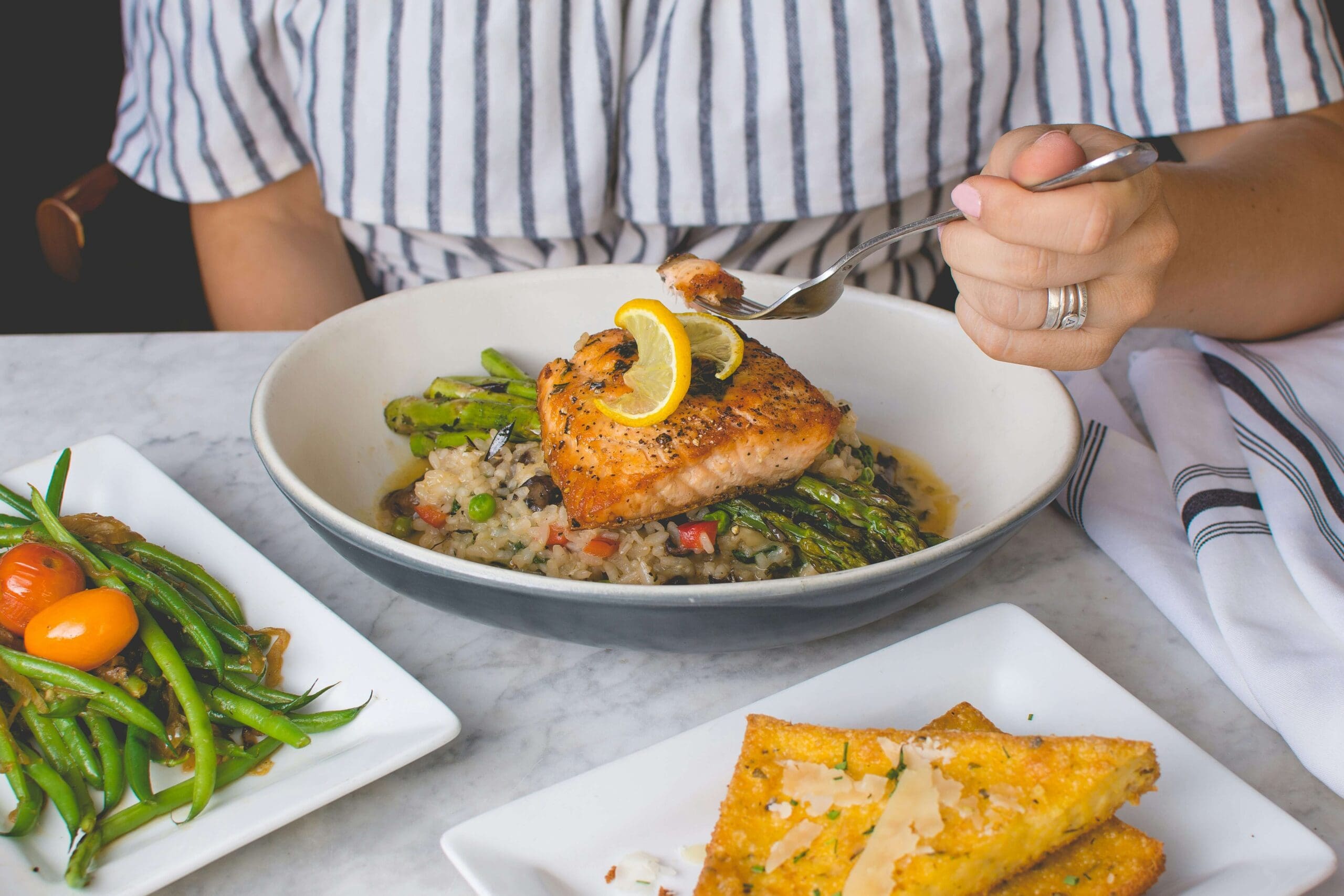
- Fish like salmon, cod, and sardines
- Eggs
- Greek yogurt and cottage cheese
- Tofu and tempeh
Learn more about how much protein you need.
Healthy Fats
Healthy fats help your body absorb certain vitamins and support your brain, and some fats even help bring down inflammation. They keep you feeling full long after meals, and they add flavor that makes eating easier when nothing sounds good.
Healthy fats to eat:
- Avocado
- Olive oil
- Nuts like walnuts and almonds
- Seeds like chia, flax, and hemp
- Fatty fish like salmon and mackerel
Beans and Legumes
Beans and legumes are one of the best two-for-one foods on this list, giving you both protein and fiber in the same bite.
That fiber is a big deal because cancer treatment can really do a number on your gut. Chemo, antibiotics, and stress throw off the balance of bacteria living there, which is part of why so many survivors deal with digestion that feels off.
The fiber in beans feeds the good bacteria your gut is trying to rebuild, helping things work the way they should again. They’re also filling, budget-friendly, and easy to add to soups, salads, and bowls.
Beans and legumes to eat:
- Black beans
- Chickpeas
- Lentils
- Kidney beans
- Edamame
Will Cancer Treatment Affect Your Diet?
Yes, but nutrition is the most powerful tool you have to push back. Studies link good nutrition during treatment to better treatment tolerance, fewer interruptions to your schedule, and less severe side effects. Eating well doesn’t just help you cope with treatment. It can change how treatment goes!
And I see it in my clients constantly. They come to me exhausted, and once we get the right food in, they get energy back, they do more, and they get whole days of their life back.
For example, one of my clients has been stuck in bed for seven days. Her goal when she started private coaching with me was simple. She wanted to be strong enough to make her daughter’s birthday cake. We got to work, and she went straight from a treatment appointment to her kitchen and made that cake, and she was there for the party.
That’s what the right nutrition can do!
Can You Cure Cancer with Food?
Food doesn’t cure cancer, but it absolutely influences how you feel during and after treatment.
The right nutrition helps you hold onto muscle, keep your energy up, support your immune system, improve how well you tolerate treatment, and stay out of malnutrition.
I’ve watched it help survivors gain weight when they needed to, manage brutal side effects, and find their footing around food again after cancer turned eating into something stressful.
Nutrition is what lets the treatment do its job. The strongest chemo regimen in the world can’t help you if you’re too weak to show up for it. Eating well keeps you strong enough to stay in treatment, and staying in treatment is what gives it the chance to take the cancer out.
So it all starts with your plate.
FAQs
Do I Need to Cut Sugar?
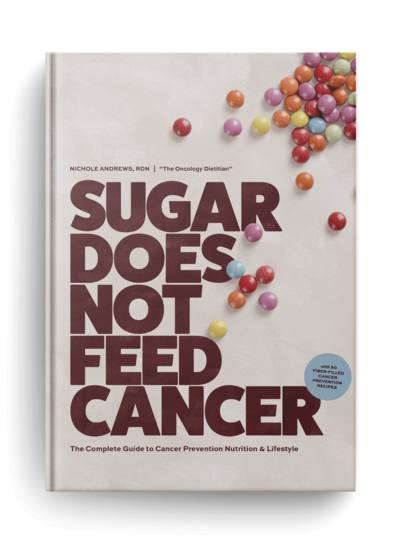
No! This myth is so common that I wrote a #1 bestselling book about it called Sugar Does Not Feed Cancer. Yes, cancer cells use sugar (glucose) for energy, but so do your brain, your muscles, and every healthy cell in your body. Cutting out sugar doesn’t starve a tumor. It just leaves you under-fueled and anxious. You do NOT need to become overly restrictive with sugar or carbs!
Should I Eat Organic and Avoid GMOs?
No, you don’t need to. Organic and conventional produce are both safe, and the research doesn’t show that one lowers your cancer risk over the other. The same goes for GMOs, which have a strong safety record. Eating more fruits and vegetables does far more for you than worrying about which kind you bought. Buy what fits your budget, give it a good wash with just water, and enjoy it!
What Foods Help with Cancer Fatigue?
Fatigue often eases when you give your body steady fuel. Protein at each meal, fiber-rich whole grains, and plenty of water can make a big difference, and so does eating something every few hours rather than less frequent but bigger meals. Iron-rich foods like lean meats, beans, and leafy greens help, too.
Your Next Steps to Healthy Eating with Cancer
If there’s one thing I hope you take from this article, it’s that eating well during and after cancer doesn’t have to be complicated.
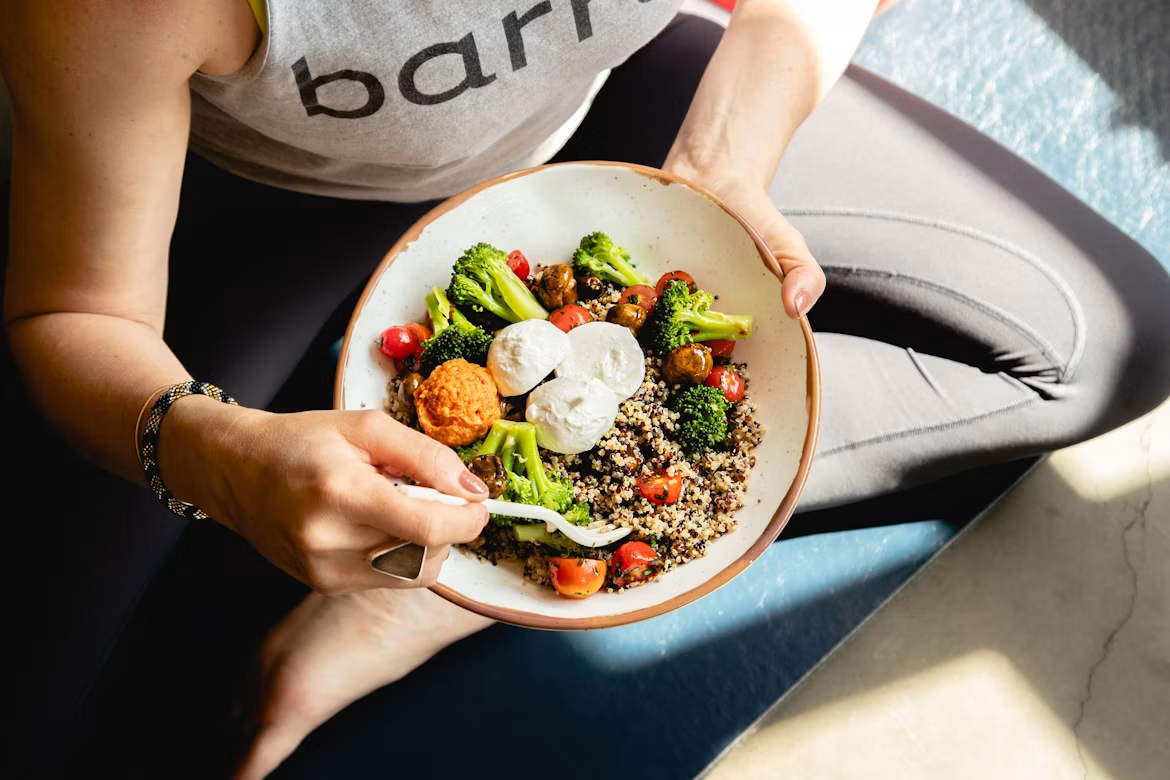
Instead of worrying over every food you should or shouldn’t eat, focus on building a balanced plate:
- 🥦 Start with fruits and vegetables whenever you can, aiming for color and variety across the week.
- 🍗 Add a protein like chicken, fish, eggs, Greek yogurt, beans, lentils, tofu, or edamame to hold onto muscle and support recovery.
- 🌾 Include a carbohydrate like whole grain bread, oatmeal, brown rice, quinoa, potatoes, or fruit to fuel your brain, muscles, and healthy cells.
- 🥑 Finish with a healthy fat like nuts, seeds, avocado, olive oil, or nut butter to stay satisfied and support overall health.
And yes, leave room for foods you simply enjoy!
The goal isn’t to eat perfectly. It’s to nourish your body consistently with the fuel it needs for healing, strength, recovery, and quality of life.
If you want more guidance on what to eat during and after treatment, take a look at The Cancer Healing Vault™. It’s my self-paced system built on the NED Method™, my signature 5-pillar approach, and it’s broken into three tracks:
- Newly Diagnosed, In-Treatment, & Stage IV
- Just Finished Treatment (0-6 months done from treatments)
- Long-Term Prevention & Vitality (6+ months done from treatments)
With this knowledge, you’ll start eating without spiraling over every bite, have practical tools for treatment days and recovery meals, and heal with confidence.
→ Learn more about The Cancer Healing Vault™!
References
- https://www.cancer.gov/about-cancer/causes-prevention/risk/alcohol/alcohol-fact-sheet
- https://www.who.int/news-room/questions-and-answers/item/cancer-carcinogenicity-of-the-consumption-of-red-meat-and-processed-meat
- https://www.health.harvard.edu/blog/phytonutrients-paint-your-plate-with-the-colors-of-the-rainbow-2019042516501