
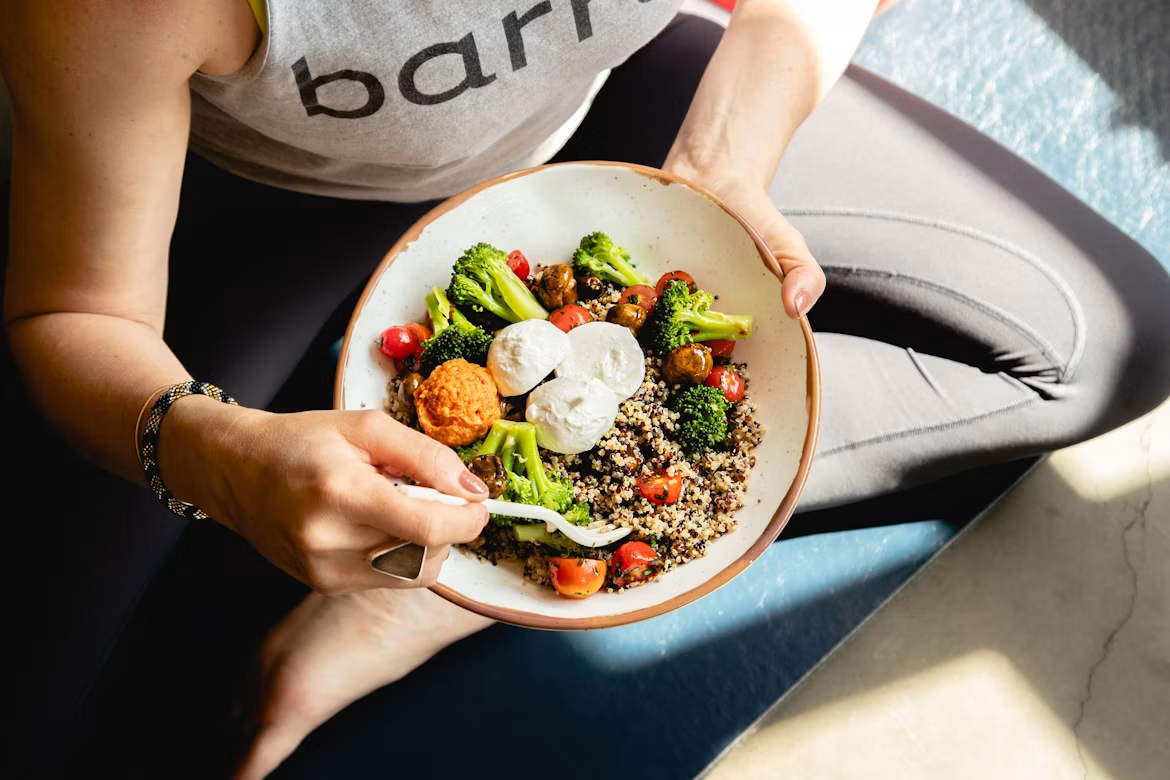
Food plays a major role after breast cancer surgery because it’s the fuel your body needs to heal. And still, most people leave the hospital unsure what to eat after breast cancer surgery to recover well and lower the odds of recurrence.
You might be wondering whether sugar is off-limits or how to put weight back on. As The Oncology Dietitian™, I’ll walk you through the most important questions so you can start eating in a way that helps you build long-term health after cancer.
Why Does Eating Healthy After Breast Cancer Treatment Matter?
Your body has important repair work to do after surgery, closing incisions, rebuilding tissue, and fighting off infection. All of that needs nutrients. Nutrient-dense food is where they come from.
Healthy eating means eating a range of foods, with protein, fruits and vegetables, whole grains, and healthy fats. There’s no list of banned foods or one magic ingredient. The approach is variety. Different foods bring different nutrients, and eating a wide mix is how you cover everything your body is asking for.
Your priorities also shift over time. In the first weeks after surgery, the job is recovery with enough protein, calories, and fluid to heal. As you get stronger, your eating can move toward the longer-term patterns tied to survivorship and lowering future cancer risk.
You don’t have to sort through all of this on your own. As your virtual cancer dietitian, I work with survivors one-on-one to take the guesswork out of eating after surgery and build a plan around your body, treatment, and recovery goals.
What to Eat After Breast Cancer Surgery: 5 Tips from The Oncology Dietitian™
These are the five things I focus on with clients recovering from breast cancer surgery.
1. Prioritize Protein-Rich Foods
Protein is your top priority after surgery. It supplies the amino acids your body uses to repair tissue and close incisions, and it protects your muscle during recovery when your activity is dialed back.
Aim to include a protein source every time you eat. Easy choices include:
- Greek yogurt or cottage cheese
- Eggs
- Chicken or turkey
- Fish
- Tofu, tempeh, or edamame
- Beans, lentils, and chickpeas
- Milk or fortified soy milk
- Nuts, seeds, and nut butters
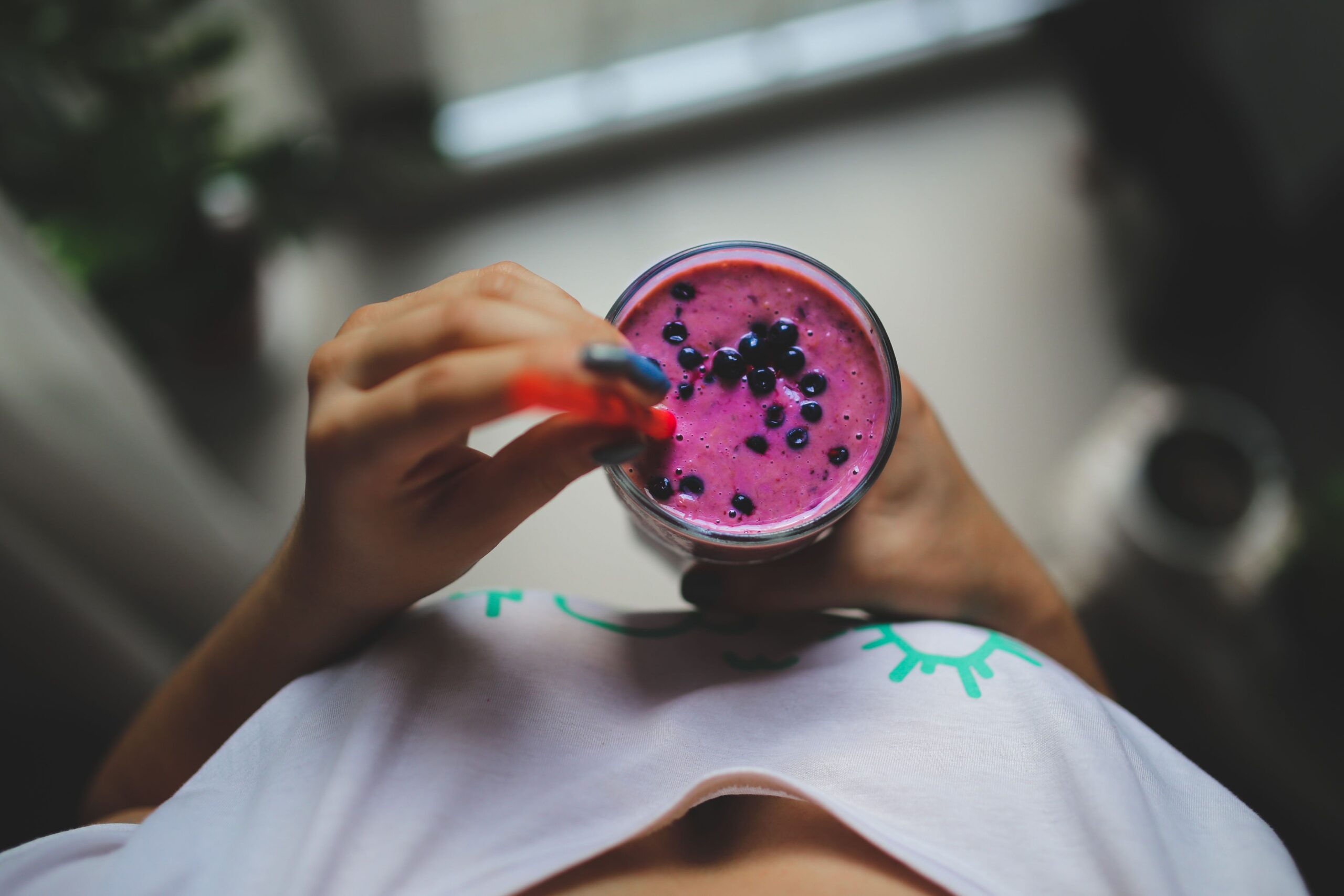
- Protein smoothies or nutrition shakes when your appetite is low
Your protein needs after surgery can run higher than the standard recommendation, especially if you’re losing weight, undergoing treatment, or recovering from a significant operation.
For reference, ESPEN’s cancer nutrition guideline suggests protein above 1 gram per kilogram of body weight per day when possible, and up to 1.5 grams per kilogram.
Don’t get stuck chasing a perfect number, though. Your goal is simply to include protein with every meal. Here’s what a day might look like:
- Breakfast: Greek yogurt with berries and walnuts
- Lunch: lentil soup with whole-grain toast
- Snack: apple with peanut butter
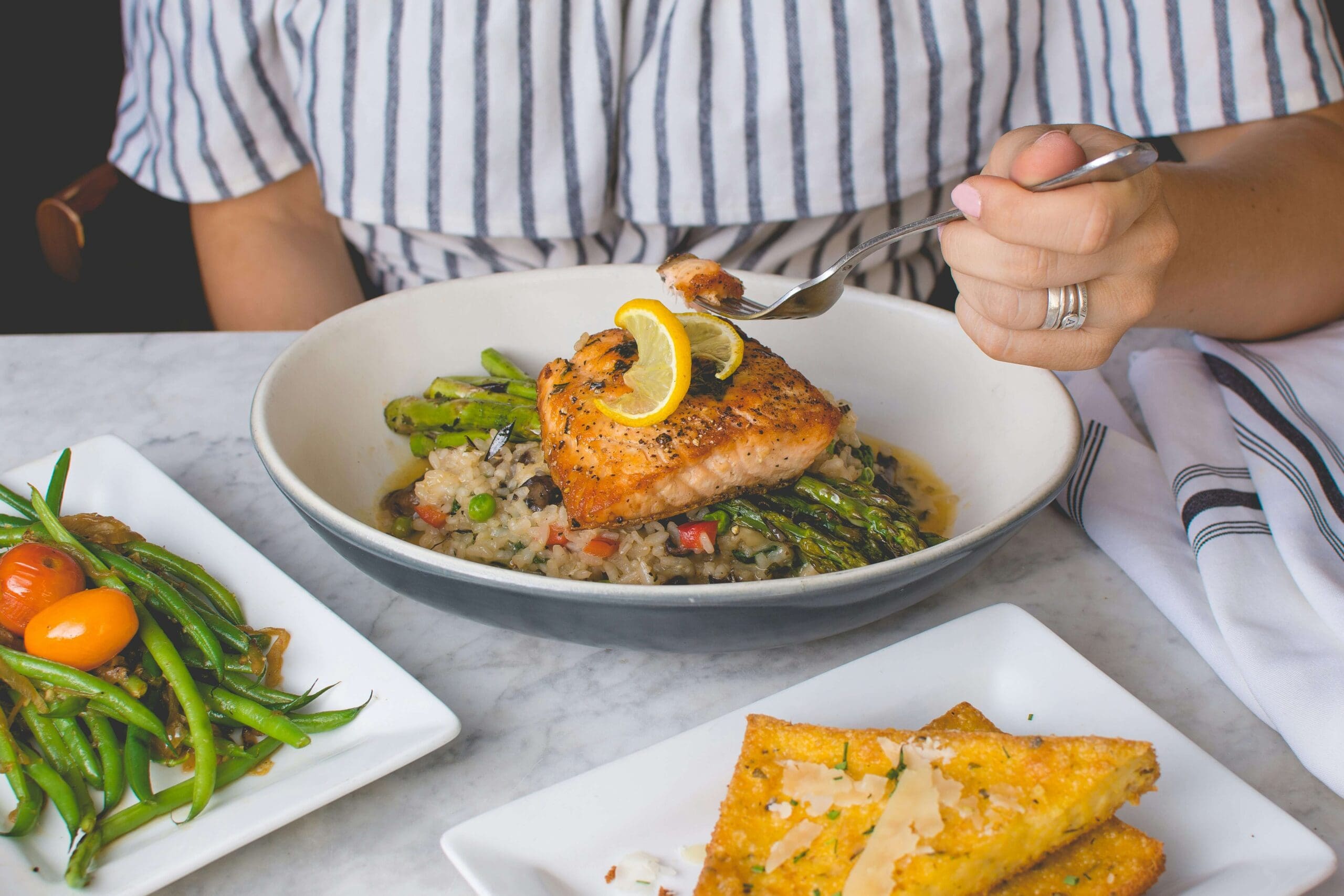
- Dinner: salmon with potatoes and broccoli
You can also try these protein bars for cancer survivors.
2. Eat Foods with Lots of Vitamin C
Vitamin C helps your body form collagen, which is a building block of healing skin and tissue, so vitamin C-rich foods are a smart choice during surgical recovery.
Here are my favorite options:
- Strawberries
- Kiwi
- Oranges and other citrus
- Bell peppers
- Broccoli
- Brussels sprouts
- Tomatoes
You don’t need to megadose vitamin C supplements to heal. A colorful, varied diet gives you vitamin C along with fiber, phytochemicals, and a range of other nutrients working together.
3. Don’t Forget Zinc
Zinc supports immune function, protein synthesis, and wound healing, which makes it another useful nutrient in the weeks after surgery.
Good food sources include:
- Meat and poultry
- Seafood
- Dairy
- Beans
- Chickpeas
- Lentils
- Nuts
- Seeds
- Whole grains
Same principle as vitamin C: food before supplements, unless a deficiency or specific clinical reason has been identified. More zinc is not automatically better, and high-dose supplements can cause problems of their own even if they’re “natural.”
4. Don’t Be Afraid of Carbs and Fats
Many breast cancer survivors are terrified of carbohydrates. They’ve read that sugar feeds cancer or that carbs cause recurrence, so they decide to restrict bread, fruit, and grains. But your body needs energy to recover after surgery, and carbohydrates are its main source.
Complex carbs like whole grains, potatoes, sweet potatoes, oats, beans, and fruit all provide energy along with fiber, vitamins, minerals, and phytochemicals.
When you cut carbs out, your body starts breaking down the protein you’re eating to use for energy instead, which means it can’t do its job of repairing you. Don’t force your body into that. Pair carbohydrates with protein and plant foods and enjoy them.
Healthy fats are also very important, especially when your appetite is low, since they pack lots of calories into small portions. Reach for avocado, walnuts, almonds, peanut butter, chia seeds, flaxseed, olives, and plant oils. Fats can and should be a part of a healthy diet.
5. Stay Hydrated
Hydration slips easily after surgery because of pain medications, anesthesia, moving around less, and nausea. It can leave you dehydrated or constipated. To prevent that, sip fluids steadily through the day.
Water counts, and so do milk, fortified soy milk, soups, smoothies, herbal tea, and water-rich fruits and vegetables. If you get constipated, adding fiber from oats, berries, kiwi, pears, beans, lentils, vegetables, and whole grains can help, as long as your medical team hasn’t placed any post-op restrictions on you.
You’re aiming for light yellow urine. If it’s darker, that’s your cue to drink more.
What to Eat to Gain Weight After Breast Cancer Treatment
Trying to gain weight after treatment can feel lonely.
Everyone around you treats losing weight as the goal, and when you mention wanting to gain, someone makes a joke about wishing they had your problem. It isn’t funny. Putting weight back on after breast cancer is hard work and something to be taken seriously.
The strategy is to make your calories count. When your appetite is low, you fill up fast, so you want foods that pack a lot of energy and protein into a small amount. Try:
- Whole milk or half-and-half in place of lower-fat options in recipes, oatmeal, and coffee
- Nut butters spread on toast, fruit, or stirred into yogurt
- Avocado added to eggs, sandwiches, and smoothies
- Olive oil or avocado oil drizzled over cooked vegetables, grains, and soups
- Full-fat Greek yogurt and cottage cheese for protein plus calories
- Nuts, seeds, and trail mix kept within arm’s reach for easy grazing
- Eggs cooked in butter or oil, with a sprinkle of ground flax or cheese
- High-calorie milkshakes and smoothies
And don’t let the sugar in a milkshake scare you. Sugar does not feed cancer, and a rich, calorie-dense drink is often exactly what your body needs to climb back to a healthy weight.
Try these 12 weight gain drinks for cancer patients.
What Not to Eat After Breast Cancer Surgery
When it comes to eating during and after cancer treatment, the list of foods to add is long, but the list of what to limit is short. There are only two foods with strong evidence linking them to cancer: processed meats and alcohol.
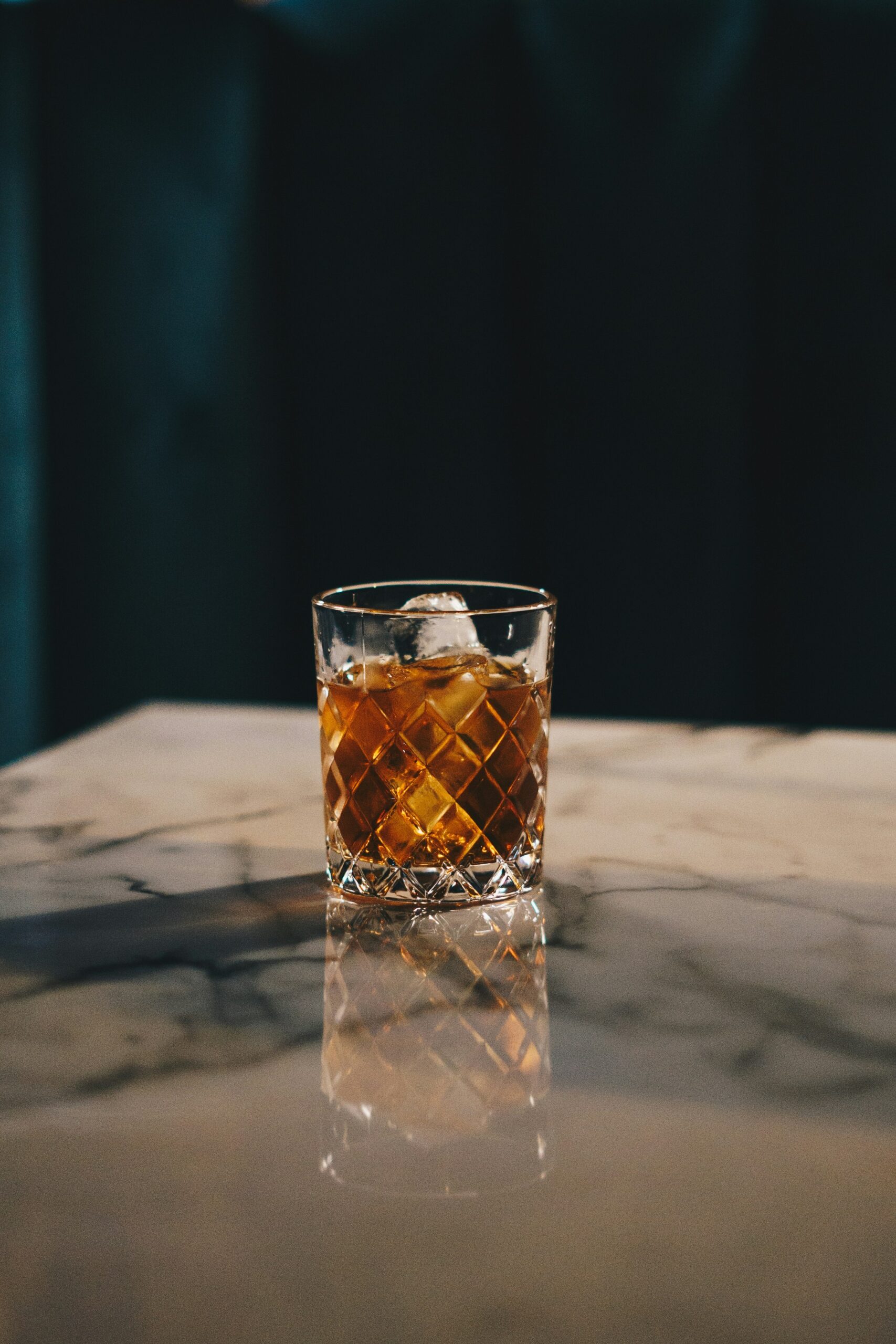
Processed meats are cured and preserved products like bacon, hot dogs, and deli meats, and drinking alcohol is a good habit to eliminate completely because there is a link between alcohol and breast cancer specifically. Everything else has a place in a healthy post-surgery diet. Dairy, bread, sugar, soy, and non-organic produce are all safe, despite what the internet may have told you.
So rather than building your recovery around a long list of forbidden foods, limit alcohol and processed meat and let the rest of your plate be varied, colorful, and satisfying.
FAQs
What Foods Can Help Prevent Breast Cancer Recurrence?
No single food prevents recurrence, and anyone selling you a miracle ingredient is selling fear. What the research supports is an overall pattern: eating plenty of plants for fiber and phytochemicals, enough protein to hold your muscle, whole grains, healthy fats, staying at a healthy body weight, and limiting (or completely avoiding) alcohol. It’s your overall way of eating over time that supports your long-term goals and reduces the risk of recurrence, not one superfood you add on top of everything else.
What Is the Best Breakfast for Breast Cancer Patients?
The best breakfast is one that combines protein, carbohydrates, and a little healthy fat, so you get repair material and steady energy. Greek yogurt with berries and walnuts is a favorite of mine, and so is oatmeal made with milk and topped with nut butter and fruit, or eggs with whole-grain toast and avocado. If your appetite is low in the mornings, a protein smoothie is a great option.
What Should I Eat to Stay Healthy After Breast Cancer Treatment?
As recovery gives way to survivorship, your eating can shift toward long-term patterns and keeping your body healthy. That means a variety of plant foods making up a large share of your plate, enough protein at each meal, whole grains, and healthy fats, with alcohol and processed meat kept to a minimum (or eliminated from your diet) because processed meat is linked to a higher risk of colon cancer, and alcohol raises the risk of at least seven different cancers. You don’t need perfection, but you do need a consistent, flexible way of eating healthy, with room for the foods you enjoy.
Start Feeling Nourished and Confident with Food After Breast Cancer Surgery
Recovery is hard enough without spending it afraid of the food you eat.
If you’re tired of piecing together conflicting advice and wondering whether every bite is helping or hurting, I’m Nichole Andrews, The Oncology Dietitian™, a registered dietitian with 15+ years in cancer nutrition. I’ve coached more than 1,000 survivors one-on-one.
When we work together, you get personalized, evidence-based guidance around where you are right now, whether that’s healing from surgery, protecting your muscle, getting your weight and energy back, or easing side effects.
→ Apply for VIP 1:1 Cancer Nutrition Coaching and take the guesswork out of eating after surgery.
References
- https://www.cancer.org/cancer/supportive-care/nutrition-activity-with-cancer/eating-well-after-treatment-ends.html
- https://society-scwd.org/espen-guidelines-on-clinical-nutrition-in-cancer/
- https://www.breastcancer.org/news/women-ultraprocessed-foods-worse-breast-cancer-survival
- https://www.breastcancer.org/risk/risk-factors/drinking-alcohol