
Do you often find yourself rereading the same sentence three times because nothing is sticking? Or maybe you walk into a room and completely forget why you’re there. Cancer brain fog makes everything feel harder, and it’s not something that rest or an extra cup of coffee can fix.
The good news is that brain fog can heal, and nutrition is one of the most powerful tools you have. You also don’t have to cut out half your pantry or follow some complicated, restrictive protocol to do that.
To heal brain fog after cancer treatment, you need to add nourishing foods so your brain can recover from what it’s been through. Here’s everything you need to know!
Want a clear, science-backed plan to reduce brain fog fast? Check out my Mini Course: Reduce Brain Fog After Cancer. Over 80% of survivors who take this course report better cognition within just two weeks.
What Is Cancer Brain Fog?
Cancer brain fog (sometimes called chemo brain or cancer-related cognitive impairment) is a collection of cognitive changes that make it harder to think clearly, remember things, or stay focused.
Despite the name “chemo brain,” you don’t need chemotherapy to experience it.
Brain fog can happen during cancer treatment, after treatment ends, or even if you haven’t had treatment yet. Radiation, surgery, hormonal therapies, stress, and the cancer itself can all contribute.
Common symptoms include:
- Forgetting words or losing your train of thought mid-conversation
- Walking into a room and forgetting why you went there
- Struggling to focus on tasks you used to handle easily
- Taking longer to process information or make decisions
- Feeling mentally slow or “fuzzy”
- Trouble remembering names, appointments, or recent conversations
Unfortunately, cancer brain fog is very common.
Research shows that up to 75% of cancer patients experience some degree of cognitive impairment during treatment, and some survivors do feel it longer term. But brain fog can heal, and it heals faster with the right nutrition and daily lifestyle changes!
Can You Reduce Brain Fog and Fatigue After Cancer Treatment with Food?
Yes! Food is one of the best ways to support your brain as it recovers from cancer treatment.
Cancer treatment puts your body through a lot of stress.
Chemotherapy, radiation, surgery, and hormonal treatments all trigger inflammation in your brain and deplete the nutrients it depends on to function. Your body has been running at maximum capacity for months, and by the time treatment ends, your nutrient reserves are wiped out.
Brain fog is your body telling you it needs to restock those depleted supplies.
How do you do that? With food!
Unfortunately, as The Oncology Dietitian™, I often see that trying to figure out food has become something that adds to brain fog instead of helping it.
Cancer survivors are constantly being told to cut out this food, avoid that ingredient, and follow endless rules about what’s “safe” to eat.
The mental load of constantly worrying about food choices and trying to figure out what’s “allowed” can make cancer brain fog worse.
The truth is a lot simpler. You can enjoy all foods! Only two foods have strong evidence linking them to increased cancer risk (alcohol and processed meats), and everything else fits into a healthy diet.
Learn more about cancer foods to avoid.
What Are the Best Foods to Reduce Cancer Brain Fog?
Many foods can support brain health and recovery, but here are some of the most important ones that I recommend to my clients as The Oncology Dietitian™.
You can get a complete plan with recipes and meal ideas in my Mini Course: Reduce Brain Fog After Cancer!
Omega-3s
Omega-3 fatty acids are essential fats that your brain needs to function properly.
They help reduce inflammation, support the structure of your brain cells, and improve communication between neurons. Research shows that eating omega-3s increases learning, memory, cognitive well-being, and blood flow in the brain.
Foods high in omega-3s:
- Fatty fish like salmon, sardines, mackerel, and anchovies
- Walnuts
- Flaxseeds and flaxseed oil
- Chia seeds
- Hemp seeds
- Algae-based omega-3 supplements
Learn more about seed oils and whether you should worry about them.
Leafy Greens
Leafy greens are packed with folate, vitamin K, and antioxidants that protect your brain cells from damage and support cognitive function. They also provide nitrates that improve blood flow to the brain.
One study found that adults who ate leafy greens regularly had better thinking and memory skills than those who didn’t eat them often. The difference was huge! Their brains worked as if they were 11 years younger.
Leafy greens to eat:
- Spinach
- Kale
- Arugula
- Swiss chard
- Collard greens
- Romaine lettuce
- Bok choy
Learn more about how leafy greens help prevent cancer.
Berries
Berries contain anthocyanins, which are powerful compounds that reduce inflammation and oxidative stress in the brain. These compounds help protect brain cells and may slow cognitive decline.
A review of nearly 50 studies found that eating berries improved memory, with some studies also showing benefits for attention, processing speed, and executive function. Berries also support vascular health, which means better blood flow to your brain.
Berries to eat:
- Blueberries
- Strawberries
- Raspberries
- Blackberries
- Cherries (especially tart cherries)
Learn more about cancer-fighting foods.
Turmeric
Turmeric contains curcumin, a compound with strong anti-inflammatory properties that can cross the blood-brain barrier and support cognitive function.
You can add turmeric to smoothies, soups, curries, roasted vegetables, or scrambled eggs. Pair it with black pepper to increase absorption!
Whole Grains
Whole grains provide your brain with glucose, which is the primary fuel your brain uses to function.
Your brain is the most energy-demanding organ in your body, using about 20% of all the glucose in your bloodstream. When glucose levels drop too low, your brain struggles to produce neurotransmitters, which are the chemical messengers that allow brain cells to communicate.
Cancer survivors are often told to cut carbs out of fear that sugar feeds cancer, but that advice is wrong. Your brain depends on glucose to think, remember, and learn. Without it, cognitive function suffers.
Whole grains to eat:
- Oats
- Quinoa
- Brown rice
- Farro
- Barley
- Whole wheat bread and pasta
- Buckwheat
Cancer survivors are constantly being told to cut out carbs because “sugar feeds cancer,” but that oversimplifies cancer biology in a way that creates a LOT of unnecessary fear around food.
Yes, cancer cells can use glucose for energy, but so can your healthy cells!
Your brain alone depends heavily on glucose to think, focus, regulate mood, remember information, and function properly. Your muscles, immune system, organs, and healthy tissues all require energy too.
This is why survivors who become overly restrictive with carbohydrates often end up feeling exhausted, foggy, weak, under-fueled, and terrified of eating instead of actually feeling healthier.
And perhaps most importantly: you can’t simply “starve” cancer by cutting out fruit, oatmeal, potatoes, rice, or other carbohydrates. If it worked that way, cancer treatment would look very different.
One of the biggest concerns we actually see during treatment is malnutrition, muscle loss, dehydration, and survivors becoming afraid to properly nourish their bodies.
The goal is not to fear every carbohydrate or ingredient. The goal is supporting your body as a whole with consistent nourishment, adequate protein, fiber-rich foods, hydration, movement, and sustainable habits that help support energy, immune function, muscle preservation, treatment tolerance, and long-term health.
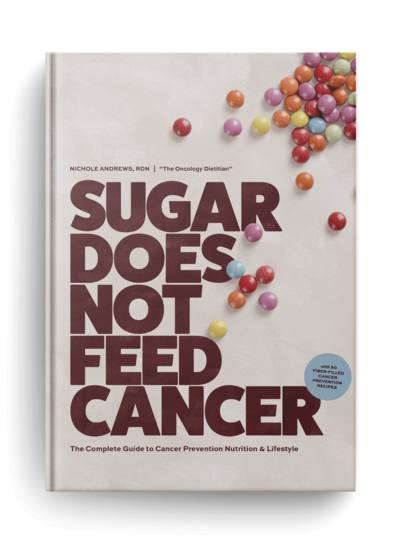
Learn more in my #1 bestselling book, Sugar Does Not Feed Cancer.
Are There Any Foods I Need to Avoid?
Nope. The only foods with strong evidence linking them to increased cancer risk are alcohol and processed meats. Everything else is fine.
Healing brain fog is about addingnourishing foods to your plate, not taking foods away. You can eat bread, enjoy fruit, have dairy, cook with seed oils, and yes, that means having dessert too!
The constant mental load of trying to avoid foods, obsessively researching ingredients, and second-guessing every bite can also contribute to increased stress and mental exhaustion, which many survivors already struggle with during and after treatment.
Over time, that constant hypervigilance around food may worsen feelings of overwhelm, anxiety, and brain fog instead of helping survivors feel healthier or more supported in their bodies.
When you’re spending energy worrying about whether soy is safe or if you should cut out sugar or if that banana has too many carbs,you’re adding cognitive stress on top of what your brain is already dealing with.
That mental exhaustion compounds the fatigue you’re trying to reduce.
Your brain needs fuel, variety, and nutrients. It also needs you to stop treating food like a minefield. Focus on what you can add to support your recovery, and let go of the restriction!
FAQs
Does Cancer Cause Brain Fog?
Yes, cancer itself can cause brain fog even before treatment begins. Cancer can trigger inflammation in your body, disrupt your sleep, and create metabolic changes that all affect cognitive function. Cancer also brings stress, anxiety, and emotional exhaustion, which compound the mental fatigue. Treatment (chemotherapy, radiation, surgery, or hormonal therapy) adds another layer by depleting nutrients, increasing inflammation, and affecting brain cells.
How Long Does Cancer Brain Fog Last?
It depends. For many survivors, cancer brain fog gets better in a few weeks to months after treatment ends. That said, some people can continue to experience brain fog for years. About one-third of cancer survivors continue to have cognitive issues long after treatment is over. But your brain can heal and rebuild, especially when you support it with proper nutrition, sleep, and stress management.
Will Eating Sugar Make My Cancer Brain Fog Worse?
No, eating sugar is not going to suddenly make your brain fog worse. Your brain actually relies on glucose for energy, which comes from the carbohydrates you eat, including sugar.
Now, a diet mainly high in ultra-processed foods with very little protein, fiber, healthy fats, and overall nourishment isn’t supportive for anyone and can absolutely contribute to energy crashes and feeling sluggish. But having dessert every day?
Around 150-300 calories worth? Completely normal! In fact, enjoying something sweet daily can absolutely fit into a healthy, balanced lifestyle without harming your health or increading cancer risk.
Mini-Course: Reduce Brain Fog After Cancer!
Ready to feel like yourself again? My Reduce Brain Fog After Cancer Mini Course gives you everything you need to support your brain’s recovery in a simple, actionable plan.
Inside the course, you’ll get:
- A 15-minute Brain Fog Masterclass that explains why brain fog happens and the steps to reduce it
- A Cognitive and Brain Power Lifestyle Guide with straightforward strategies to lift the fog and reduce daily mental load
- A 30-Day Brain Health Menu with over 80 brain-boosting recipes
- A 30-Day Brain Health Nutrition Plan built around the nutrients your brain is depleted of, including omega-3s, fiber, healthy fats, and powerful plant foods
- A Brain Power Ingredients Guide with practical tips on how to use turmeric, flaxseed, hempseed, and more in delicious meals
Over 80% of survivors who take this course report better cognition within just two weeks.
Get the Mini Course: Reduce Brain Fog After Cancer and start feeling sharper and clearer ASAP!