
Here’s the thing, I’m not just speaking from my credentials as The Oncology Dietitian. I’m speaking from my heart. I’ve worked with so many people who’ve been exactly where you are right now, and I can tell you with absolute certainty that life after a gastrectomy gets easier.
This guide is my way of walking you through it, step by step, from those early days in recovery all the way through your first year. You’re not alone in this, and adjusting to your new normal is absolutely possible.
Whether you had a partial gastrectomy or had your entire stomach removed, you’re going to thrive. Yes, really. It will take time, patience, and some practical strategies, people come back from this every single day. Let me show you exactly how.
Grab The Clean Scan Plan!
Before we dive in, I created The Clean Scan Plan to give you a simple roadmap for life after cancer. It walks you through my NED Method 5-Pillar Approach to nutrition, exercise, hydration, sleep, and self-care so you can feel confident heading into every scan.
Download The Clean Scan Plan Free →
What Is a Gastrectomy?
Gastrectomy is the surgical removal of part or all of your stomach to treat stomach cancer. During the procedure, surgeons remove the cancerous tissue along with nearby lymph nodes to check if cancer has spread.
A total gastrectomy removes your entire stomach and connects your esophagus directly to your small intestine. A partial gastrectomy removes only the portion containing cancer, which means eating is somewhat easier during recovery.
After removing part or all of your stomach, surgeons rebuild your gastrointestinal tract using methods like Billroth I, Billroth II, or Roux-en-Y reconstruction.
Roux-en-Y, used most often after total gastrectomy, attaches the esophagus to a loop of small intestine while redirecting digestive juices. Your surgeon will explain which method is right for you based on your specific situation.
Nutrition Advice for Months 0-3 Post-Gastrectomy
The first three months after surgery are all about healing. Your digestive system needs time to adjust, and your body needs extra calories and protein to recover. As The Oncology Dietitian, I tell my clients that this phase requires patience and a willingness to eat differently than before.
Immediately After Surgery
In the first few days after your gastrectomy, you cannot eat or drink anything by mouth. Your surgical team may provide nutrition through an IV or feeding tube.
Once your digestive system shows signs of healing, you will start with clear liquids like broth, gelatin, and clear juices. Sip slowly and take small amounts frequently.
After tolerating clear liquids, you will progress to full liquids like milk, smooth soups, protein shakes, and yogurt.
Transitioning to Soft and Pureed Foods
Around one to two weeks after surgery, you may begin eating soft or pureed foods. Focus on foods that are easy to digest and gentle on your system.
Aim to eat 6 to 8 small meals each day instead of three large ones. Chew every bite thoroughly until the food reaches a puree consistency in your mouth. This helps your intestines absorb nutrients more effectively.
Foods to Include During Early Recovery
During early recovery, choose foods that are soft, moist, and high in protein:
- Scrambled eggs or egg salad
- Mashed potatoes or sweet potatoes with butter
- Smooth yogurt or pudding
- Pureed fruits and cooked vegetables
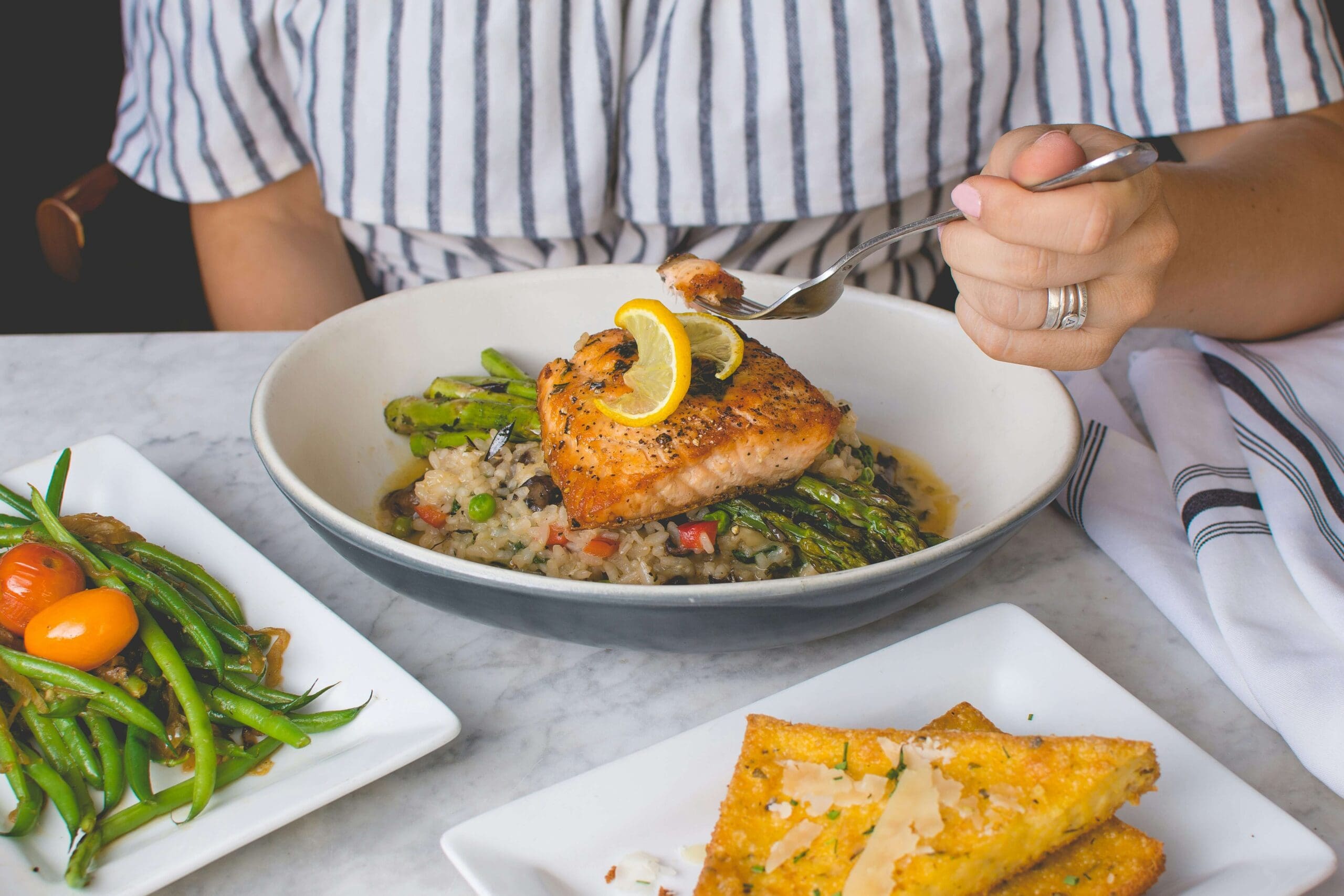
- Soft fish like tilapia or cod
- Cottage cheese
- Protein shakes without added sugar
One of my clients from The NED Method Membership told me, “When I started, I was drained, anxious, and terrified of recurrence. Working with you gave me my energy, my gut health, and my peace of mind back.” That transformation is possible for you too. If you are struggling with side effects during treatment, know that these challenges are temporary when you work with an expert like me.
Managing Dumping Syndrome
Dumping syndrome happens when food moves too quickly from your stomach into your small intestine. Up to 75% of gastrectomy patients experience this uncomfortable condition. Symptoms include nausea, cramping, diarrhea, dizziness, and sweating.
To prevent dumping syndrome, avoid high-sugar foods and drinks. Include protein and healthy fats at every meal to slow digestion. Eat slowly and stop eating when you feel the first signs of fullness.
Nutrition Advice for Months 4-6 Post-Gastrectomy
By months four through six, your body has begun adjusting to its new normal. You can start introducing more solid foods while continuing to focus on nutrient-dense choices. This phase is about rebuilding your strength and preventing nutritional gaps.
High-Protein, High-Calorie Foods for Healing
Your body needs extra protein and calories to heal properly and maintain your weight. According to the NIH Clinical Center, gastrectomy patients should aim for at least 1500 calories and 100 grams of protein daily during recovery.
Make protein the star of every meal. Good choices include chicken, fish, eggs, Greek yogurt, cheese, tofu, and nut butters. Learn more about how much protein you need as a cancer survivor.
Managing Nutritional Deficiencies
After gastrectomy, your body has trouble absorbing certain vitamins and minerals. The most common deficiencies include vitamin B12, iron, calcium, and vitamin D. Your healthcare team will monitor your levels through regular blood tests.
When labs show a deficiency, supplements become medically necessary. This is not about taking supplements “just in case.” It is about correcting a documented problem that cannot be fixed with food alone due to your changed anatomy.
Want Ongoing Support Without the Guesswork?
Inside The NED Method Membership, you get access to my complete 5-Pillar Framework, monthly training, cancer prevention recipes, and a supportive community of survivors who understand exactly what you are going through. No more second-guessing every meal.
Nutrition Advice for Months 7-12 Post-Gastrectomy
By the second half of your first year, you are settling into long-term eating patterns. Most patients reach a stable weight between 6 and 12 months after surgery. Focus now shifts to maintaining balanced nutrition for years to come.
Expanding Your Diet Safely
You can gradually reintroduce a wider variety of foods. Add raw vegetables, whole grains, beans, nuts, and different fruits as tolerated. Continue eating small, frequent meals.
Some people find they can eventually increase portion sizes to child-sized meals. Listen to your body and adjust based on what works for you. If you are working on weight gain strategies, calorie-dense foods remain important.
Long-Term Supplements and Bone Health
Vitamin B12 supplementation is typically lifelong after total gastrectomy. Your body no longer produces intrinsic factors, the protein needed to absorb B12 from food.
Research shows that 78 to 100% of total gastrectomy patients develop B12 deficiency within four years without supplementation. Gastrectomy also increases your risk for bone density loss over time.
Take calcium citrate supplements as recommended by your healthcare team since this form absorbs better without stomach acid.
Understanding Dumping Syndrome After Gastrectomy
Dumping syndrome deserves extra attention because it affects so many gastrectomy patients. This condition occurs when food moves from the stomach into the small intestine faster than normal. Understanding the two types helps you prevent symptoms.
Early and Late Dumping Symptoms
Early dumping happens 10 to 30 minutes after eating. When undigested food rushes into your small intestine, your body pulls fluid from your bloodstream to dilute it. This causes bloating, cramping, nausea, diarrhea, and dizziness.
Late dumping occurs 1 to 3 hours after eating. When sugar enters your intestine quickly, your body releases too much insulin. This causes blood sugar to drop sharply, leading to shakiness, sweating, and weakness.
How to Prevent Dumping Syndrome
You can prevent most dumping symptoms with these strategies:
- Eat 6 to 8 small meals daily instead of 3 large ones
- Wait 30 to 60 minutes before and after meals to drink fluids
- Avoid foods and drinks high in added sugar
- Include protein at every meal and snack
- Add healthy fats to slow digestion
- Eat slowly and chew food thoroughly
If you need a sugar substitute, Splenda is a safe option that does not trigger dumping syndrome.
Vitamin B12 and Intrinsic Factor After Gastrectomy
Understanding why B12 deficiency happens helps you take it seriously. This is not optional supplementation. It is medically necessary after stomach removal.
Why Vitamin B12 Deficiency Happens
Your stomach produces a protein called intrinsic factor that binds to vitamin B12 and allows absorption in your small intestine. After a total gastrectomy, you have no intrinsic factor.
After a partial gastrectomy, you have much less. Without intrinsic factor, the B12 in your food cannot enter your bloodstream no matter how much you eat.
Your body stores enough B12 for about 3 to 4 years, which is why deficiency may not appear immediately.
Signs of B12 Deficiency
B12 deficiency causes symptoms that seriously affect quality of life. Watch for numbness or tingling in hands and feet, weakness, fatigue, memory problems, depression, and anemia.
As The Oncology Dietitian, I have seen clients struggle unnecessarily because their B12 was not monitored closely. And if you are one of them, I can help you. Join my VIP 1:1 Cancer Nutrition and Lifestyle Coaching to get the right support.
Essential Eating Tips After Gastrectomy
These practical strategies help my clients thrive after stomach surgery. What I have seen with my survivors is that small, consistent changes lead to big improvements over time.
Eat 6-8 Small Meals Daily
Your stomach capacity is dramatically reduced. Right after surgery, you may only tolerate 1 to 2 ounces at a time, about the size of a shot glass.
Eating frequently ensures you get enough calories and protein. Set timers to remind yourself to eat since you may not feel traditional hunger cues anymore.
Separate Eating and Drinking
Drinking liquids with meals fills your limited stomach space and can trigger dumping syndrome. Wait at least 30 minutes before and after meals to drink. Sip fluids throughout the day between meals to stay hydrated.
Protein First at Every Meal
Make protein the priority at every meal. Eat your protein foods first before filling up on vegetables or starches. Protein supports healing and maintains muscle mass. As one survivor shared, “Nichole has shown me how to start small, which is what leads to real progress.”
FAQs
Can You Live a Normal Life After Gastrectomy?
Yes, you can live a full and healthy life after gastrectomy. It takes time to adjust, typically 6 months to a year, but your body adapts remarkably well. Most people settle into new eating patterns and find their energy returns.
How Long Does Recovery From Gastrectomy Take?
Physical healing from surgery takes about 6 to 8 weeks. Full recovery, including adjusting to new eating habits and reaching a stable weight, takes 6 months to 1 year.
What Foods Should You Avoid After Gastrectomy?
Avoid foods high in added sugar, which trigger dumping syndrome. Limit very fatty foods if they cause discomfort. Introduce high-fiber foods gradually as tolerated.
Why Do You Lose Weight After Gastrectomy?
Weight loss happens because you eat smaller amounts, absorb fewer nutrients, and burn calories during healing. Most patients stabilize between 6 and 12 months after surgery.
Final Thoughts
Adjusting to life after gastrectomy takes time, patience, and the right support. As The Oncology Dietitian, I want you to know that you do not have to figure this out alone. With proper guidance, you can rebuild your strength and feel confident about your health.
If you struggle with fear of recurrence, know that taking control of your nutrition is one of the most powerful things you can do. Every meal is an opportunity to nourish your body.
Ready for Personalized, Expert Support?
If you want someone in your corner who truly understands post-gastrectomy nutrition and can create a plan tailored specifically to your body and your goals, I would love to work with you. Apply here for VIP 1:1 Cancer Nutrition and Lifestyle Coaching so you can stop second-guessing everything and start feeling like yourself again.
References
- https://www.cancer.org/cancer/types/stomach-cancer/treating/types-of-surgery.html
- https://www.mayoclinic.org/diseases-conditions/dumping-syndrome/symptoms-causes/syc-20371915
- https://www.mskcc.org/cancer-care/patient-education/eating-after-your-gastrectomy
- https://ccr.cancer.gov/surgical-oncology-program/clinical-team/diet-and-nutrition-after-gastrectomy-what-you-should-know
- https://ccr.cancer.gov/surgical-oncology-program/clinical-team/diet-and-nutrition-after-gastrectomy-your-plan
- https://nostomachforcancer.org/after-diagnosis/life-without-a-stomach/nutrition-after-gastrectomy/
- https://my.clevelandclinic.org/health/procedures/gastrectomy