I get this question all the time. You open your pantry and freeze. Is that canola oil safe? What about the plastic container your leftovers are in? Should you throw out your nonstick pan?
If this sounds like you, I want you to know you are not alone. The internet has done a fantastic job of convincing us that the danger of increasing cancer risk lurks in every cabinet, every cleaning product, every bite of food.
But here is the thing. Most of those fears? They are not based on solid evidence. The truth is way more reassuring than Dr. Google wants you to believe.
Let me walk you through what the research actually shows so you can stop second-guessing and start living with confidence again.
Grab The Clean Scan Plan
Ready to stop the mental checklist and feel confident about your choices? The Clean Scan Plan gives you my 5-Pillar Approach to nutrition, exercise, hydration, sleep, and self-care which can help reduce the cancer risk. It is the same framework that has helped thousands of survivors find peace.
Download The Clean Scan Plan →
What Everyday Products Actually Increase Cancer Risk?
Very few everyday products have strong evidence linking them to cancer. The diet-related factors with solid research behind them are processed meats, alcohol, high-sodium diets, and low-fiber diets.
That is the list. The World Cancer Research Fund has reviewed thousands of studies, and these are the factors that consistently show up.
What about plastic containers, cookware, cleaning products, air fresheners related to cancer risk? The evidence to them of increasing risk is either limited, inconsistent, or based on doses way higher than what we actually encounter in real life.
That does not mean we ignore potential concerns. But it does mean we can stop living in fear of our kitchens.
Why Most Product Fears Are Overblown
When a study comes out saying a chemical “might” cause cancer, it usually involves lab animals exposed to extremely high doses you would never encounter in daily life.
The American Cancer Society explains that carcinogens do not cause cancer in every person, every time, under all circumstances.
Dose, duration, and how the substance enters your body all matter. A scary headline about a “possible carcinogen” is not the same as actual cancer risk in your daily life.
Processed Meats Are the Real Concern
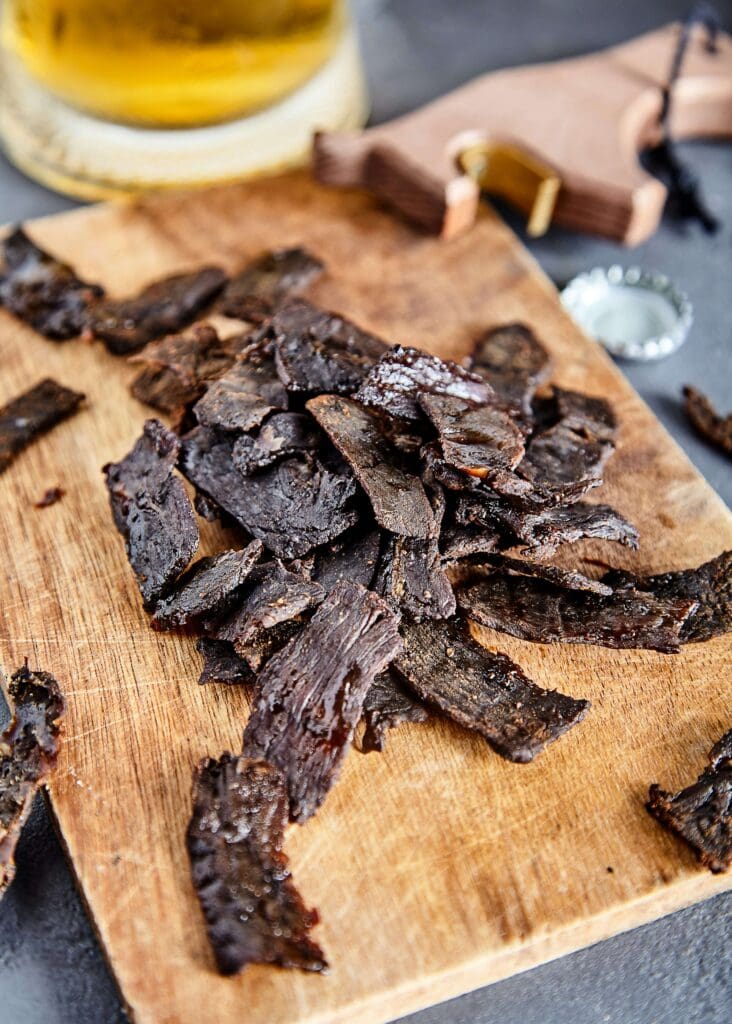
Here is something that actually does matter. Processed meat is the one food category with convincing evidence linking it to cancer.
The American Institute for Cancer Research found that eating even small amounts of processed meat regularly increases the risk of colorectal cancer.
We are talking about bacon, ham, hot dogs, sausages, deli meats, and anything preserved by smoking, curing, or adding chemical preservatives.
One of my 1:1 clients told me: “I spent months second-guessing every meal. Now I know exactly what supports my body, and the anxiety is gone. The clarity came from the program.
What Counts as Processed Meat
Processed meats include:
- Bacon and ham
- Hot dogs and sausages
- Deli meats like salami, bologna, and pastrami
- Jerky and cured meats
- Any meat preserved with nitrates, smoking, or salting
Fresh chicken, turkey, fish, and eggs are NOT processed meats. Neither is fresh beef or pork that you cook at home.
How Much Is Too Much
The recommendation is simple: eat little to no processed meat. Every 50 grams daily (about one hot dog or two slices of deli meat) raises colorectal cancer risk by 16 percent.
This does not mean one slice of bacon will give you cancer. It means regular, daily consumption adds up over time.
Alcohol and Cancer Risk: Any Amount Matters
This one is tough to hear, I know. But I would not be doing my job as The Oncology Dietitian if I did not tell you the truth.
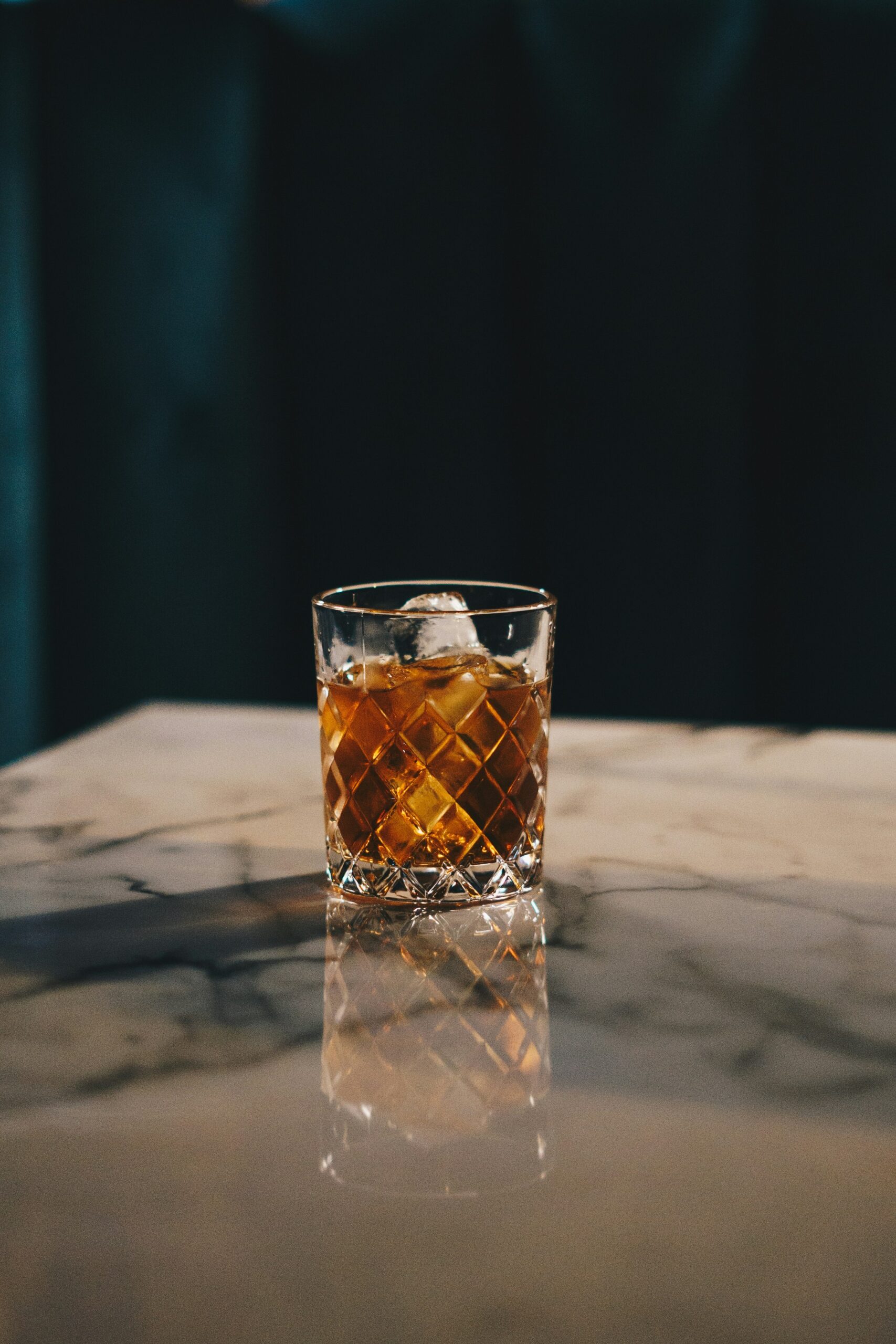
There is no safe amount of alcohol when it comes to cancer risk. This has been the recommendation for about a decade, but many people still do not know it.
Alcohol increases the risk of seven different cancers: mouth, throat, esophageal, breast, stomach, liver, and colorectal cancer.
Here is how I look at it: knowing the truth gives you power. You get to decide what cancer risks you are comfortable with based on actual evidence, not fear-mongering headlines.
Zero Alcohol Alternatives That Taste Great
The good news? Zero-alcohol beverages are completely safe and taste better than ever. You can enjoy a mocktail, alcohol-free wine, or sparkling water with citrus without any cancer risk.
Many clients from my VIP 1:1 Cancer Nutrition and Lifestyle Coaching tell me switching to these options makes social events more enjoyable because they feel better the next day.
Take Control of Your Health Journey
I created The Clean Scan Plan because I saw too many cancer survivors drowning in conflicting advice. This guide cuts through the noise and gives you a clear, evidence-based framework for reducing cancer risk. No fluff. No fear. Just the facts you actually need.
Grilling and High-Temperature Cooking
Cooking meats at very high temperatures can create compounds called HCAs and PAHs. The American Institute for Cancer Research notes that these compounds can cause changes in DNA in lab settings.
But here is the important part: the increased risk from grilling comes mostly from eating more red and processed meats, not from the cooking method itself. You do not need to throw out your grill.
Simple Ways to Reduce Risk When Grilling
Here are some practical tips that actually help:
- Grill vegetables and fruits, which do not form these compounds at all
- Marinate meats before grilling
- Flip meat frequently to prevent charring
- Cut off any charred portions
- Choose chicken or fish over red meat when you can
Products That Do NOT Increase Cancer Risk
This is the section where I want to give you some relief. So many everyday items have been unfairly demonized, and it breaks my heart to see survivors stressing about things that do not actually matter. Let me set the record straight.
Diet Soda and Artificial Sweeteners
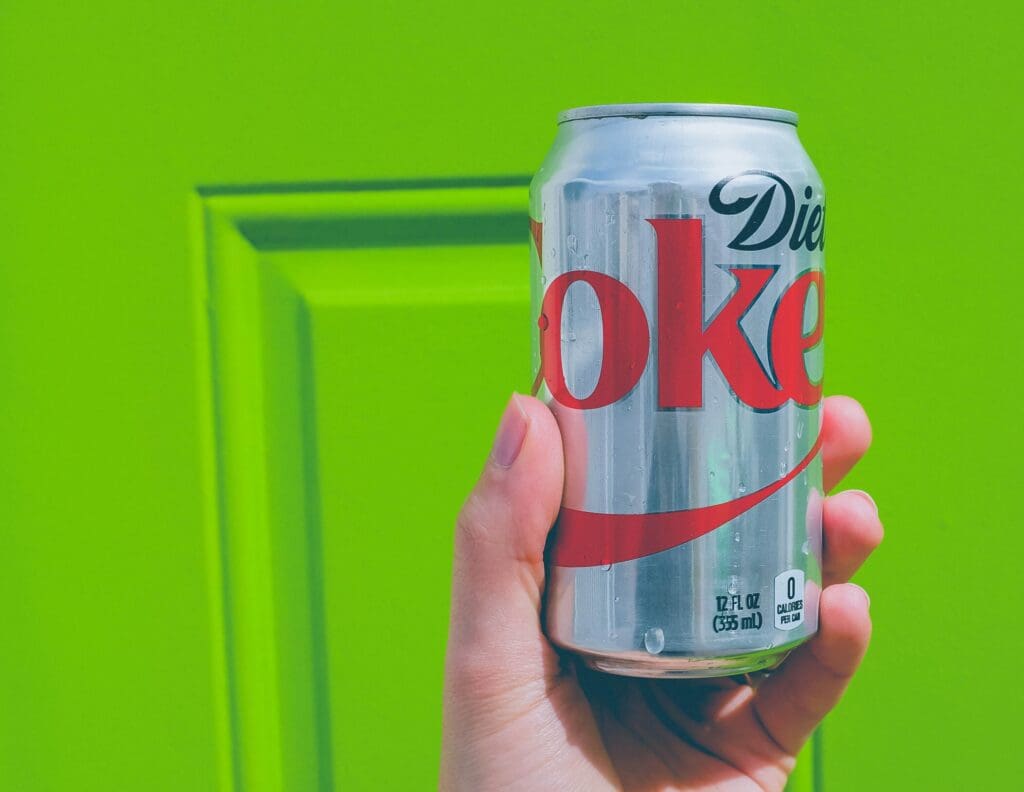
Diet sodas are safe. Splenda is safe. I know this might shock you if you have been avoiding them.
The Mayo Clinic confirms that artificial sweeteners approved by the FDA are safe when consumed within acceptable limits.
You can have Diet Coke without fear, and I actually explain how Splenda fits into a cancer-prevention lifestyle because so many survivors ask me about this.
Sugar Does Not Feed Cancer
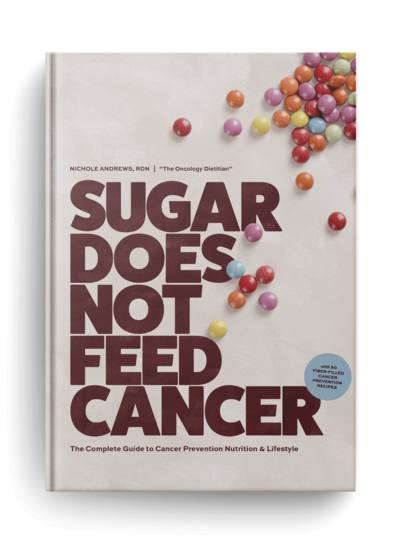
This is probably the myth I hear the most. Sugar does not directly cause cancer or feed cancer cells.
Yes, all cells use glucose for energy, including cancer cells. But cutting sugar from your diet will not starve cancer. That is not how it works.
The American Cancer Society is clear: sugar in moderation is fine. The concern with excess sugar is weight gain, and excess body weight is what increases cancer risk.
I wrote my entire bestselling book on this topic because the myth that sugar feeds cancer causes so much unnecessary fear and food restriction.
Microwaves and Microwave Popcorn
Microwaves do not cause cancer. They produce non-ionizing radiation, which does not damage DNA. Cooking food in a microwave is completely safe. The AICR confirms that modern microwaves in good condition pose no cancer risk.
Soy Foods Are Actually Protective
This one really frustrates me because the fear around soy has caused so many survivors to avoid a food that is actually good for them.
Soy foods are safe and may even be protective against breast cancer. The American Cancer Society states that soy foods like tofu, edamame, and miso are healthy choices.
The fear around soy and estrogen is based on outdated research, which is why I address the question of whether tofu increases cancer risk head-on for my clients.
Canned Foods Are Safe
Canned foods are a convenient, nutritious option. Many people worry about BPA in can linings, but most cans are now BPA-free.
The benefits of eating vegetables and beans, even from cans, far outweigh any theoretical concerns.
Fried Foods Do Not Cause Cancer Directly
Fried foods are not carcinogenic. They may be higher in calories and can contribute to weight gain if eaten in excess.
Weight gain can increase cancer risk. But a serving of fried food does not directly cause cancer. You can enjoy occasional fried foods as part of an overall balanced diet.
What About Plastic Containers and Cookware?
The concerns about plastics and cookware are mostly theoretical. Yes, some plastics can release chemicals when heated.
The practical advice is simple: use microwave-safe containers, avoid heating food in damaged plastic, and consider glass or ceramic if you prefer. But do not throw out all your Tupperware in a panic.
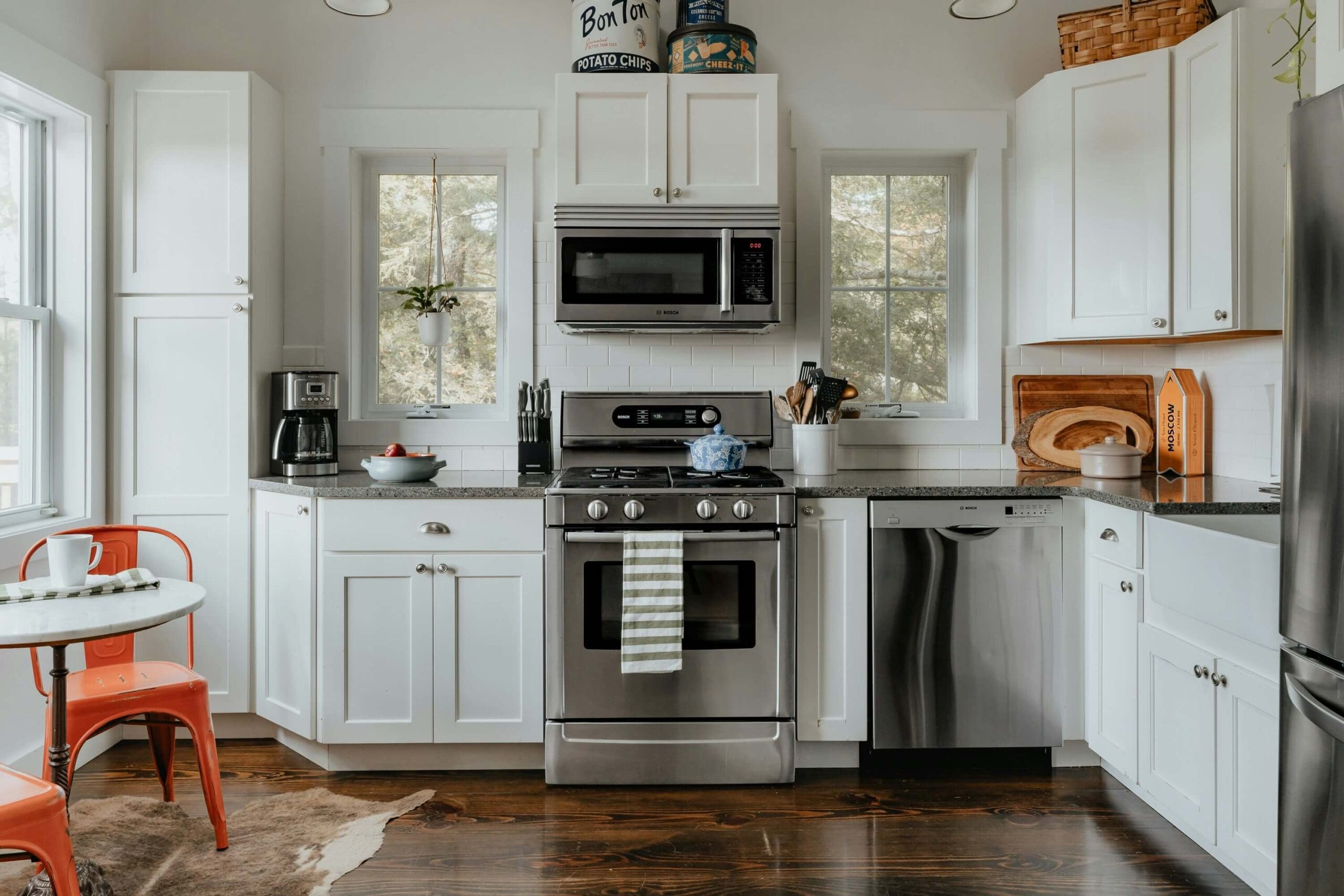
Nonstick cookware is also safe for normal use. If you prefer, stainless steel and cast iron are great alternatives. I address whether you should actually be worried about PFAS because I know this keeps a lot of survivors up at night.
What Actually Increases Cancer Risk
Instead of worrying about every product in your home, focus on what the research consistently shows:
- Excess body weight is linked to at least 13 types of cancer
- Sedentary lifestyle increases risk independent of weight
- Low-fiber diets are associated with higher colorectal and breast cancer risk. Aim for 30 grams daily
- High-sodium diets over 2,400 mg daily can increase stomach cancer risk
- Processed meat and alcohol are the dietary factors with the strongest evidence
Notice what is NOT on this list? Plastic containers. Scented candles. Artificial sweeteners. Microwaves. The products that keep you up at night are not the ones that actually matter most.
How to Focus on What Matters
Here is what I really want you to take away: you do not need to fear your kitchen. You do not need to read every label with dread. You do not need to cut out entire food groups or throw away your cookware.
The Oncology Dietitian Plate Method
In The NED Method Membership, I teach survivors how to build a plate that reduces cancer risk without the overwhelm.
It is based on American Institute for Cancer Research guidance and focuses on adding protective foods rather than endless restrictions. Because adding good stuff works way better than restriction.
Adding Fiber to Reduce Risk
Aim for 30 grams or more of fiber daily. This is one of the most protective dietary changes you can make. Fiber-rich foods include vegetables, fruits, whole grains, beans, lentils, and nuts.
FAQs
Do Scented Candles Cause Cancer?
There is no strong evidence that occasional use of scented candles causes cancer. If you enjoy them, use them. Good ventilation is always smart for any combustion product, but you do not need to toss your favorite candle.
Is Nonstick Cookware Safe?
Yes, nonstick cookware is safe for normal cooking. Just avoid overheating empty pans and replace scratched or damaged cookware. Stainless steel and cast iron are also great options if you prefer.
Does Sugar Feed Cancer?
No. Sugar does not directly feed or cause cancer. The concern is that excess sugar can lead to weight gain, and excess weight does increase cancer risk. But sugar itself is not the enemy.
Are Artificial Sweeteners Safe?
Yes. FDA-approved artificial sweeteners like Splenda are safe within normal consumption levels. Diet soda is fine. Enjoy it without guilt.
Should I Only Eat Organic?
No. This is a myth. Eating fruits and vegetables, whether organic or conventional, is protective against cancer. Please do not let cost or access prevent you from eating produce. Any produce is better than no produce.
Ending Thoughts
The fear and confusion around everyday products and cancer risk is exhausting. I see it every day in my clients who come to me overwhelmed, second-guessing every choice, and terrified they are doing something wrong. That is no way to live.
Here is the truth: you are not doing it wrong. The evidence is clear that most everyday products are safe. The factors that truly matter, processed meats, alcohol, fiber intake, body weight, and physical activity, are things you can actually control without living in fear.
You deserve to enjoy food and your life. You deserve to feel confident at the grocery store, in your kitchen, and at dinner with friends.
You deserve real science, not fear-based headlines. And most importantly? You deserve support from someone who understands the science and can help you cut through the noise.
Ready to Feel Confident About Your Choices?
The Clean Scan Plan is my free guide that helps you build lasting habits around nutrition, hydration, movement, sleep, and stress that reduce recurrence risk and restore peace of mind. Thousands of survivors have used it to stop the mental checklist and start living again.
Yes! Send Me The Clean Scan Plan →
References
- https://www.wcrf.org/diet-activity-and-cancer/cancer-prevention-recommendations/
- https://www.cancer.org/cancer/risk-prevention/understanding-cancer-risk/known-and-probable-human-carcinogens.html
- https://www.aicr.org/resources/blog/processed-meat-and-cancer/
- https://www.aicr.org/cancer-prevention/healthy-lifestyle/other-lifestyle-risks/
- https://www.mayoclinic.org/healthy-lifestyle/nutrition-and-healthy-eating/in-depth/artificial-sweeteners/art-20046936
- https://www.cancer.org/cancer/latest-news/soy-and-cancer-risk-our-experts-advice.html
- https://www.aicr.org/resources/blog/the-new-american-plate/