
When it comes to cancer prevention and survivorship, one of the most common nutrition questions I get is about processed meats.
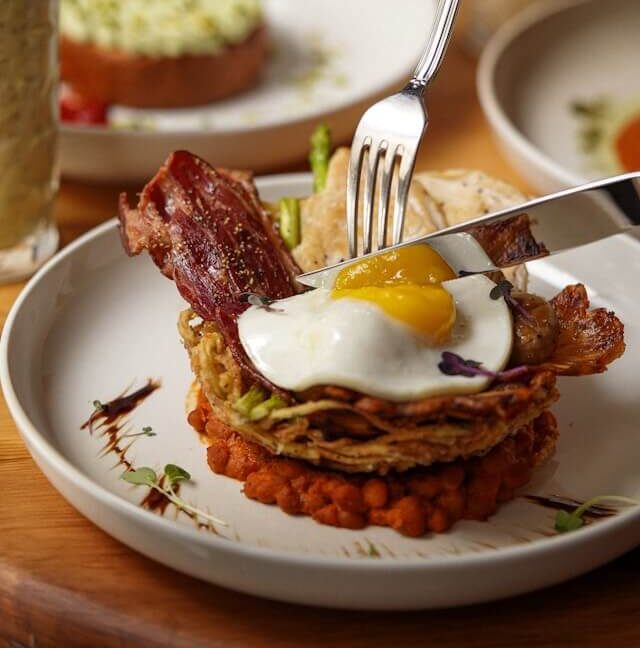
- Can you still enjoy bacon at Sunday brunch?
- Is deli turkey really that bad?
- Should you completely avoid hot dogs at summer cookouts?
These questions matter because the foods we choose every day either support our health or quietly increase our risk.
As your oncology dietitian, I want to give you the real science without the fear mongering. You deserve to understand what processed meats actually do in your body, how much risk they carry, and most importantly, how to make choices that protect your future while still enjoying life.
Want To Feel Confident About Your Food Choices?
My Clean Scan Plan gives you the exact framework I use with my private clients to reduce recurrence risk through simple, sustainable nutrition habits. No restriction, no confusion, just clarity.
What Are Processed Meats?
Processed meats are meats that have been preserved through smoking, curing, salting, or adding chemical preservatives like nitrates and nitrites. The processing methods change the meat’s texture, flavor, and shelf life, but they also change how your body responds to eating them.
Common processed meats include:
- Bacon (all types, including turkey bacon if it’s cured or smoked)
- Hot dogs and frankfurters
- Deli meats like ham, salami, turkey breast, roast beef
- Pre-cooked Sausages (breakfast sausage, Italian sausage, chorizo)
- Pepperoni and other cured meats
- Beef jerky
Here’s what many people don’t realize: grinding meat into hamburger doesn’t make it processed. Fresh chicken breast isn’t processed.
The difference is in the preservation method. If salt, smoke, nitrites, or other chemicals were added to extend shelf life or change flavor, that meat is now processed.
How Processed Meat Affects Cancer Risk
According to WHO research, there’s strong evidence that processed meat causes cancer. It also shows that eating just 50 grams of processed meat daily increases your colorectal cancer risk by 18%. To put that in perspective, 50 grams is about one hot dog or three slices of bacon.
One of my survivors came to coaching terrified after her doctor mentioned the processed meat-cancer link at her last appointment. She’d been eating turkey sandwiches for lunch every single day for years.
In our work together, we didn’t just swap out the deli meat, we addressed why she felt stuck in that pattern and built a meal rotation that actually excited her. Six months later, she told me she doesn’t even miss the sandwiches, and her energy is better than it’s been in years.
This is something I work through with clients in my VIP 1:1 Cancer nutrition & Lifestyle Coaching because timing and combinations matter for optimizing energy levels throughout treatment and recovery.
Why Processed Meats Increase Cancer Risk
The cancer risk from processed meats comes from several compounds working together.
First, there are nitrates and nitrites, preservatives added to maintain color, prevent bacterial growth, and extend shelf life. In your stomach’s acidic environment, nitrites form N-nitroso compounds (NOCs), and some of these are carcinogenic.
The second major factor is heme iron, the red pigment that gives meat its color. When heme reacts with nitrites, it creates nitrosylated-heme, which interacts with protein fragments during digestion to form more cancer-causing NOCs.
This is why processed meats pose more risk than nitrate-rich vegetables because the heme in meat acts as a catalyst for harmful compound formation.
Stop Guessing About What To Eat
The Clean Scan Plan takes the overwhelm out of cancer prevention nutrition. You’ll get practical daily habits that fit into your real life and actually move the needle on reducing risk.
How Much Processed Meat Is Safe?
Eating moderate amounts of processed and red meat (just 79 grams daily, about three slices of sandwich ham) had a 32% increased risk of bowel cancer compared to those eating less than 11 grams daily.
As your oncology dietitian, I tell my clients that there’s no truly “safe” level for processed meat. The American Institute for Cancer Research recommends eating “little, if any” processed meat. Every 50-gram portion consumed daily increases colorectal cancer risk by about 16-18%.
Does this mean you can never have bacon again? No. But it does mean that processed meats shouldn’t be a daily habit.
What About “Nitrate-Free” or “Uncured” Processed Meats?
You’ve probably seen labels touting “no nitrates or nitrites added” or “uncured” on bacon and deli meats. Here’s what you need to know: these products often use celery powder or celery juice as a “natural” preservative. Celery is naturally high in nitrates, which bacteria convert to nitrites during processing.
The end result? These “natural” nitrates still form the same potentially harmful compounds in your body. While more research is needed to compare the cancer risk of conventional versus “natural” processed meats, as your oncology dietitian, I recommend treating them the same way as occasional foods rather than daily staples.
These products are still high in salt and are technically processed, even if they avoid synthetic additives.
Practical Ways to Reduce Your Risk
The good news is that you have control here. Small, consistent changes make a real difference in reducing cancer risk.
Smart Swaps for Common Meals
- Breakfast: Instead of bacon or sausage, try sautéed mushrooms, roasted sweet potato, or a veggie-packed omelet
- Lunch: Swap deli meat sandwiches for rotisserie chicken, hard-boiled eggs, hummus and vegetables, or last night’s leftover grilled chicken
- Snacks: Replace beef jerky with roasted chickpeas, mixed nuts, or protein bars made with whole food ingredients
- Pizza toppings: Choose grilled chicken, fresh vegetables, or plant-based options instead of pepperoni or sausage
- Cookouts: Try grilled fish, chicken breast, portobello mushrooms, or veggie burgers alongside or instead of hot dogs
Plant-Based Protein Alternatives
You don’t need meat at every meal to get enough protein. Plant-based options provide protein, fiber, and protective compounds that actually reduce cancer risk:
- Beans and lentils (black beans, chickpeas, kidney beans)
- Tofu and tempeh
- Edamame
- Nuts and nut butters
- Seeds (pumpkin, sunflower, hemp)
- Quinoa
In my programs, I show survivors how to build meals around these foods without feeling like they’re missing out. One client told me she was shocked by how satisfying a black bean and sweet potato bowl could be, and her husband actually requested it for dinner the next week.
The Bottom Line: What Your Oncology Dietitian Wants You To Know
As your oncology dietitian, I’ve worked with thousands of survivors who felt paralyzed by conflicting nutrition information. They wanted to do everything “right” but didn’t know where to start.
What I’ve learned is that sustainable change comes from understanding the science, making gradual swaps, and building a pattern that works for your real life.
You don’t need to be perfect. You need to be consistent with the habits that reduce cancer risk: eating more plants, choosing whole grains, staying active, managing stress, and limiting processed meats. When you do these things most of the time, the occasional indulgence isn’t going to derail your progress.
Build Habits That Actually Protect You
My Clean Scan Plan walks you through five essential pillars of cancer prevention so you can finally stop worrying and start living with confidence. Thousands of survivors have used this exact approach to take back control of their health.
Yes! I Want The Clean Scan Plan →
References
- https://www.fredhutch.org/en/news/center-news/2024/04/colorectal-cancer-risk-boosted-by-red-processed-meat-genetics.html
- https://news.cancerresearchuk.org/2024/08/01/bacon-ham-hot-dogs-salami-how-does-processed-meat-cause-cancer-and-how-much-matters/
- https://www.who.int/news-room/questions-and-answers/item/cancer-carcinogenicity-of-the-consumption-of-red-meat-and-processed-meat
- https://www.aicr.org/news/processed-meats-increase-colorectal-cancer-risk-new-report/
- https://health.clevelandclinic.org/link-red-meat-cancer-need-know
- https://pubmed.ncbi.nlm.nih.gov/34455534/
- https://www.mdanderson.org/cancerwise/processed-meat-and-cancer-what-you-need-to-know.h00-159778812.html