
Stepping off cancer treatment feels like you should finally breathe again, but instead your body throws you curveballs. The scale moves in ways you didn’t expect, your weight feels unstable, your clothes fit differently every week, and the fatigue hits hard no matter how much you rest.
You look in the mirror and see a body that doesn’t match the life you’re trying to get back to.
Weight loss during cancer treatment isn’t just about numbers on a scale. It’s about losing the strength you need to recover, the muscle mass that protects you, and the confidence that this is all going to be okay.
But here’s what I know after working with thousands of survivors: you can rebuild. Your body wants to heal, and with the right nutrition plan, you will regain your strength and feel like yourself again.
Get The Clean Scan Plan!
This plan follows my proven NED Method 5-Pillar Approach covering nutrition, exercise, hydration, sleep quality and self care. It helps you reduce cancer risk and build lasting strength after treatment.
Nutritional Strategies to Gain Weight Safely
Gaining weight after cancer treatment requires smart strategies, not just eating more. You need an approach that rebuilds healthy tissue while supporting your body’s recovery without overwhelming your appetite or digestive system.
The goal is adding nutrient-dense calories strategically throughout your day. These evidence-based strategies help you gain weight steadily while feeling better with each passing week.
Eat Small, Frequent Meals Throughout the Day
Your stomach didn’t literally shrink during treatment. What actually happens is your appetite regulation, digestion speed, and hunger hormones get disrupted.
You eat less for long stretches, your gut slows down, and your hunger cues get quieter so it feels like your stomach is smaller even though it isn’t.
Choose Nutrient-Dense, High-Calorie Foods
Every bite needs to count. Focus on foods that pack maximum nutrition and calories into smaller portions:
- Nut butter on toast, crackers, or fruit (200 calories per 2 tablespoons)
- Avocado on sandwiches or in smoothies (240 calories per fruit)
- Dried fruits like dates, apricots, and raisins for quick energy
- Full-fat Greek yogurt with granola and honey (300+ calories per serving)
- Nuts and seeds as portable high-calorie snacks
Prioritize Protein at Every Meal
Protein rebuilds the muscle tissue lost during treatment. Your protein needs during recovery jump to 1.0 to 1.5 grams per kilogram of body weight daily. That means if you weigh 150 pounds (68 kilograms), you need 68 to 102 grams of protein each day.
Clinical dietitian research shows spreading protein throughout the day works better than loading it all into one meal. Aim for 25 to 30 grams of protein at each meal to optimize muscle protein synthesis. Check out my guide on how much protein you need for specific calculations.
Add Healthy Calorie Boosters to Your Meals
Small additions make big differences in your total calorie intake:
- Add olive oil or flaxseed oil to vegetables and salads
- Mix powdered milk into regular milk for fortified milk
- Top everything with shredded cheese
- Blend protein powder into smoothies and oatmeal
- Spread cream cheese or cottage cheese on crackers
These simple tweaks can add 300 to 500 calories daily without increasing food volume.
Why Weight Loss Happens During Cancer Treatment
You lose weight during cancer treatment because the disease forces your body to burn more calories while side effects make it nearly impossible to eat enough. Cancer increases your metabolism and treatments destroy your appetite. Symptoms like nausea and taste changes prevent adequate food intake.
How Cancer Affects Your Metabolism and Appetite
Cancer speeds up your metabolism, making you burn calories faster even when you’re resting. At the same time, tumors release chemicals that kill your appetite and change how food tastes. Your body acts like it’s running a marathon while sitting still, burning through energy reserves rapidly.
Meanwhile, everything tastes metallic or bland, making you not want to eat at all. One of my clients told me, “Everything tasted like metal or cardboard. I couldn’t force myself to eat even when I knew I needed to.”
Treatment Side Effects That Lead to Weight Loss
Chemotherapy, radiation, and hormone therapy create a perfect storm of side effects that make eating difficult:
- Nausea and vomiting that make the thought of food unbearable
- Taste changes where your favorite foods suddenly taste wrong
- Mouth and throat sores that make swallowing painful
- Loss of appetite where hunger signals simply disappear
- Early satiety where you feel full after just a few bites
Breast cancer treatment, particularly hormone therapy, often causes different weight changes depending on your specific treatment plan and body composition.
The Impact of Weight Loss on Recovery and Treatment Tolerance
Losing more than 5% of your body weight affects how well you tolerate cancer treatment. Weight loss during treatment links directly to more hospitalizations, treatment delays, and longer recovery times.
Your cancer care team monitors your weight closely because maintaining adequate food intake helps you complete treatments at full dose and bounce back faster.
If you’re ready for expert, personalized support, apply here for: VIP 1:1 Cancer nutrition & Lifestyle Coaching with me today so you don’t have to second guess everything.
Why Gaining Weight Matters for Your Recovery
Gaining weight gives your body the energy to repair damaged tissues, rebuild lost muscle, and fight off infections. Without adequate weight, your immune system weakens and recovery takes longer.
As your oncology dietitian, inside my programs, I’ve watched proper nutrition transform recovery outcomes. The right foods restore strength, support your immune system, and help you reclaim the energy you thought was gone forever.
Rebuilding Muscle Mass and Strength
Cancer treatment causes muscle wasting faster than fat loss. Your body breaks down muscle tissue to fuel basic functions when you’re not eating enough.
As your oncology dietitian, I focus on helping you rebuild lean body mass through high-protein foods combined with muscle-strengthening activities. Research shows patients who maintain muscle mass have better prognoses and recover faster than those who don’t.
Supporting Your Immune System
Your immune system runs on proper nutrition. White blood cells, antibodies, and healing tissues all require adequate protein, vitamins, and minerals. When you’re underweight, your body can’t mount strong defenses against infections or heal surgical wounds effectively. I’ve watched clients transform their energy levels and immune function simply by getting enough nutritious foods daily.
Take Control of Your Recovery Journey
I want to give you something that’s helped thousands of cancer survivors find clarity and confidence. The Clean Scan Plan breaks down the exact steps you need to reduce cancer risk and rebuild strength without confusion or overwhelm.
Best Foods to Help You Gain Weight After Cancer
Not all calories are created equal. These foods provide both nutrition and the calorie density you need for healthy weight gain. I recommend focusing on whole, minimally processed options that pack protein, healthy fats, and essential nutrients into every bite.
The right food choices help you rebuild strength without feeling stuffed or sacrificing the nutrition your body desperately needs for healing.
High-Protein Foods for Muscle Building
Protein sources rebuild lean muscle and support your immune system:
- Eggs including hard-boiled eggs for easy snacking (6 grams protein each)
- Chicken and turkey breast for lean protein
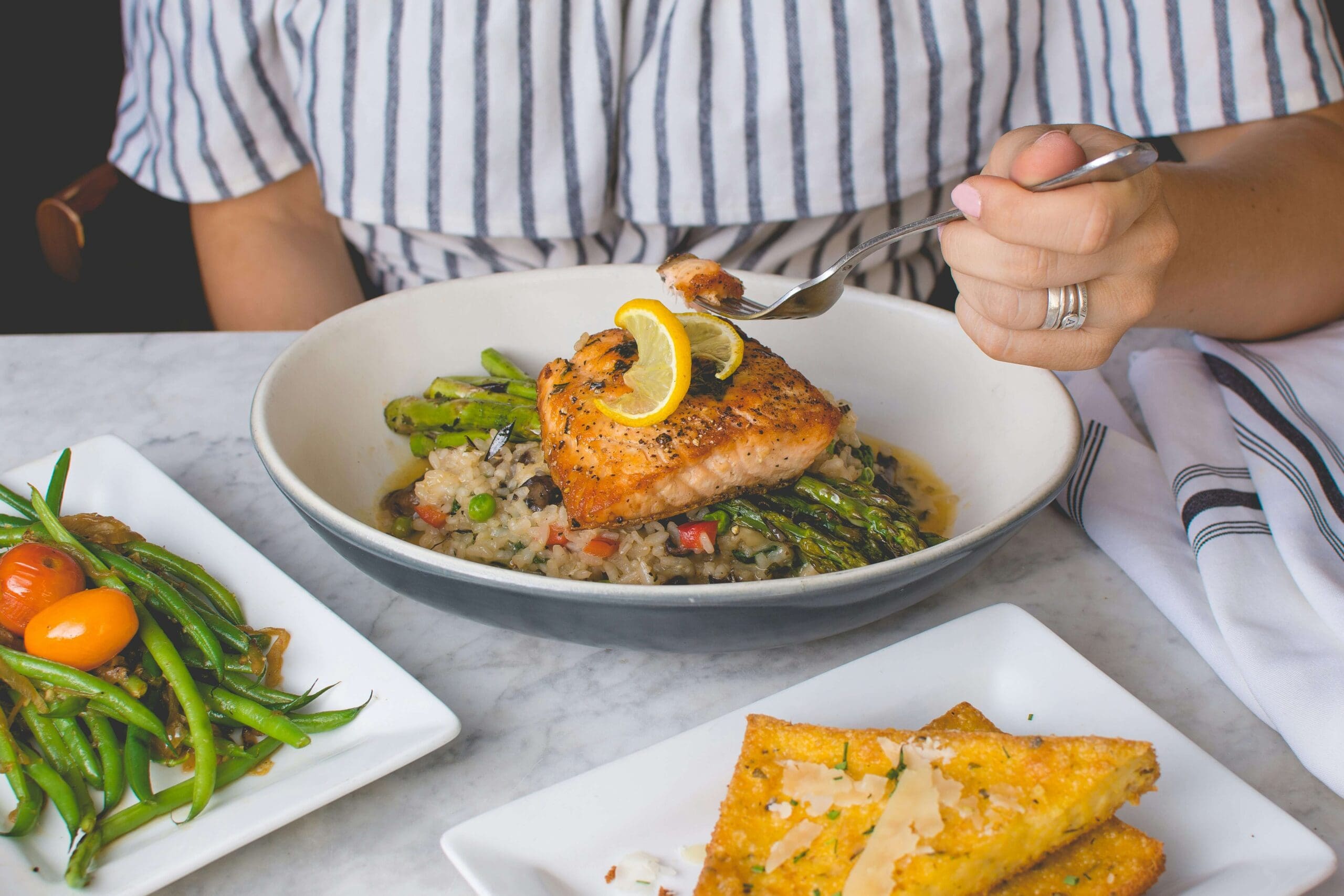
- Salmon and fatty fish with omega-3 fatty acids that reduce inflammation
- Beans and lentils for plant-based protein and fiber
- Tofu and tempeh as versatile meat alternatives
While red meat provides protein, I recommend focusing on lean proteins and plant protein sources to support long-term cancer prevention.
Healthy Fats for Calorie-Dense Nutrition
Fats provide 9 calories per gram compared to 4 calories for protein and carbs. Including healthy fats helps you gain weight without feeling overly full:
- Avocados on sandwiches or blended into smoothies
- Nuts like almonds, walnuts, and cashews
- Seeds including chia, flax, and pumpkin seeds
- Nut butter on whole grain toast or in shakes
- Olive oil drizzled on vegetables and grains
Learn more about how walnuts reduce cancer risk while providing healthy calories.
Smoothies and Liquid Nutrition Options
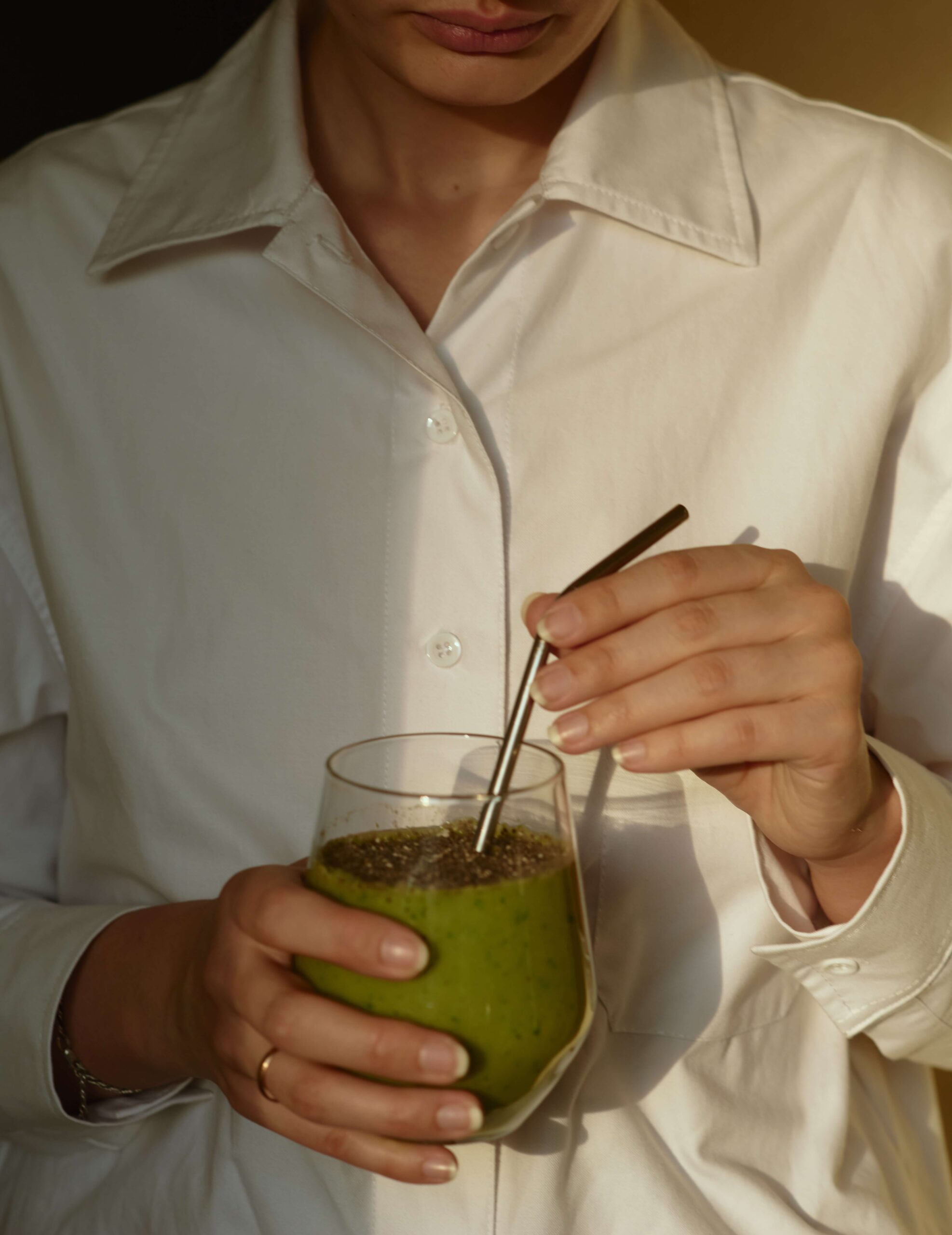
Liquid nutrition goes down easier when solid food feels like too much. Smoothies pack vitamins, minerals, fluid, fiber, protein and calories into one glass:
- Base: whole milk, plant-based milk, or 100% fruit juice
- Protein: Greek yogurt, protein powder, or nut butter
- Healthy fats: avocado, flaxseed oil, or ground flaxseed
- Carbs: banana, frozen berries, or starchy fruits and vegetables
- Extras: honey, cocoa powder, or vanilla extract for flavor
Nutritional supplement drinks like Ensure or Carnation Breakfast Essentials provide convenient high calorie and protein drinks when you need them. These oral nutritional supplements work well between meals or when you’re experiencing treatment side effects.
Dairy and Plant-Based Alternatives
Both dairy and plant-based options provide important nutrients:
- Whole milk for maximum calories and vitamin D
- Full-fat yogurt with probiotics for gut health
- Cottage cheese for high protein content (14 grams per half cup)
- Cheese on vegetables, sandwiches, and casseroles
- Fortified plant-based milk like soy or oat milk
Practical Meal Planning Tips for Weight Gain
Structure makes recovery easier. Having a clear meal plan removes decision fatigue and ensures you’re eating enough throughout the day without constant worry.
When you’re exhausted from treatment, the last thing you need is to figure out what to eat every two hours. These practical strategies simplify your eating schedule so you can focus your energy on healing instead of meal decisions.
How to Structure Your Eating Schedule
Create a consistent daily schedule that works with your energy levels:
- 7:00 AM: Breakfast with protein and healthy carbs
- 10:00 AM: Mid-morning snack with nut butter
- 12:30 PM: Lunch focused on protein and vegetables
- 3:00 PM: Afternoon snack like Greek yogurt with fruit
- 6:00 PM: Dinner with lean protein and whole grains
- 8:30 PM: Evening snack if hungry
Consistency matters more than perfection. One of my coaching clients said, “The schedule felt rigid at first, but it actually gave me freedom from constantly worrying about what to eat next.”
Simple Ways to Increase Calories Without Feeling Full
Drink your fluids between meals rather than during meals to avoid filling up on liquids. Cold foods often go down easier than hot foods when you’re feeling full quickly. Use smaller plates to make portions feel more manageable psychologically.
Making Meals Easier When You Don’t Feel Hungry
Ask family members to help with meal preparation when cancer-related fatigue hits hard. Stock your freezer with pre-portioned meals. Keep high-calorie snacks visible and easily accessible. Create a positive mealtime atmosphere with music or eating with loved ones to make food more appealing.
Moving Forward with Confidence
Gaining weight after cancer treatment isn’t about perfection. It’s about progress. Every small meal matters. Every protein-rich snack builds strength.
Every day you show up for yourself counts toward recovery. You don’t have to be perfect to heal. You just need to be consistent, patient with yourself, and willing to trust that your body wants to get stronger.
You don’t have to navigate this alone. As your oncology dietitian, I’ve walked alongside thousands of survivors rebuilding their strength and reclaiming their lives.
My clients prove it every single day. One survivor recently told me, “I finally feel like myself again. I have energy to play with my grandkids, I’m not afraid of food anymore, and my last scan was completely clear.”
That’s what I want for you too: clean scans, real strength, and genuine peace of mind.
Ready to Feel More Confident About Your Recovery?
Healing doesn’t stop when treatment ends. The Clean Scan Plan helps you build lasting habits around nutrition, movement, hydration, sleep, and self-care that reduce recurrence risk and restore your peace of mind.
Yes! Send Me the Free Clean Scan Plan →
References
- https://www.dana-farber.org/health-library/videos/how-to-gain-weight-after-cancer-treatment
- https://www.mskcc.org/news/8-tips-managing-weight-during-and-after-treatment
- https://www.cancer.org/cancer/managing-cancer/side-effects/eating-problems/weight-changes.html
- https://www.mdanderson.org/cancerwise/6-easy-protein-sources-for-cancer-patients.html
- https://my.clevelandclinic.org/health/diseases/cancer-cachexia
- https://www.hopkinsmedicine.org/health/wellness-and-prevention/cancer-survivorship-nutrition
- https://pubmed.ncbi.nlm.nih.gov/39631998/