
Sponsored by Splenda.
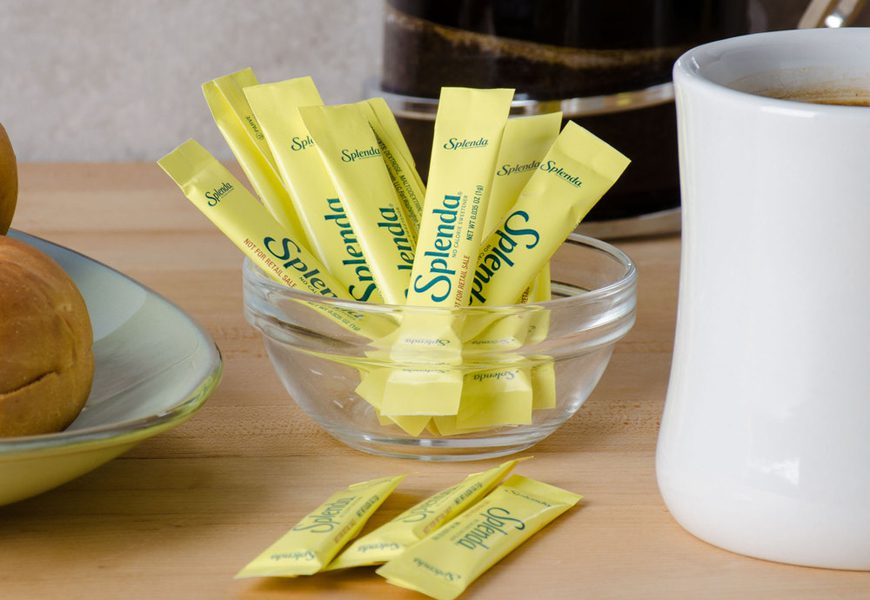
Splenda has been sitting on coffee shop counters and kitchen tables for over 25 years now. And if you’re a cancer survivor, you’ve wondered at least once whether you should use it or not.
I get questions about Splenda all the time. One article says it’s perfectly safe. The next one makes it sound like poison. Social media influencers are screaming about “toxins” while sipping their green juice. It’s a lot.
So let me give it to you straight. As The Oncology Dietitian with over 15 years of experience helping cancer survivors navigate nutrition, I want to clear the air once and for all.
Get The Clean Scan Plan!
Before we dive in, I want you to have something that actually helps. The Clean Scan Plan walks you through my 5-Pillar Approach to nutrition, exercise, hydration, sleep, and self-care. It’s the same foundation I use with my private clients.
What Is Sucralose and Why Is Everyone Talking About It?
Sucralose is the sweetener inside Splenda. It’s made from regular sugar through a process that swaps out some molecules. The result? Something that tastes about 600 times sweeter than sugar but has essentially zero calories.
That’s why people love it. You get the sweet taste without the calorie load. For anyone watching their weight or managing blood sugar, that sounds pretty appealing, right?
Splenda hit the market in 1998 after the FDA reviewed over 110 safety studies. Since then, millions of people have used it in their coffee, tea, baked goods, and just about everything else you can imagine. It’s in diet sodas, sugar-free desserts, protein bars, and tons of packaged foods.
The Truth About Splenda and Cancer Risk
Alright, let’s address the elephant in the room. Does Splenda cause cancer?
No. It does not.
The FDA has reviewed the research extensively. Splenda does not increase your cancer risk.
Now, as The Cancer Dietitian, I want to be really clear about what DOES actually increase cancer risk based on solid human evidence.
- Processed meats like bacon, hot dogs, and deli meats are linked to colorectal cancer
- Alcohol increases risk of seven different cancers including breast, liver, and mouth cancer
- High-sodium diets over 2,400 mg daily can increase stomach cancer risk over time
- Low-fiber diets under 30 grams daily increase risk of breast and colorectal cancer
Notice what’s not on that list? Splenda. Diet soda. Artificial sweeteners. These simply do not fall into the same category as the actual risk factors above.
This is exactly why understanding which foods actually increase cancer risk matters so much. When you know the facts, you can stop wasting energy worrying about things that don’t deserve your attention.
If you are ready to quit guessing then join my VIP 1:1 Cancer Nutrition and Lifestyle Coaching, where I help survivors identify which ingredients truly matter and which ones you can safely ignore.
How Splenda Can Actually Support Your Health Goals
Splenda can actually be a helpful tool for cancer survivors. Let me explain.
We know that maintaining a healthy body weight reduces cancer risk. The research on this is solid. Excess body fat is linked to 13 different types of cancer including breast, colorectal, kidney, and pancreatic cancer. This is one of the most well-established connections in cancer prevention research.
So where does Splenda fit in? If using a zero-calorie sweetener helps you enjoy your food while managing your overall calorie intake, that’s a win. It’s a practical tool that lets you have something sweet without adding extra calories that might contribute to weight gain over time.
I never tell my clients in The NED Method Membership to cut out foods they love. That approach backfires every single time. Instead, I help them find balance. You can absolutely have Splenda in your coffee, enjoy a diet soda with lunch, and still follow an eating pattern that supports your health.
Take Control of Your Health Journey
This is exactly why I created The Clean Scan Plan. I want to give you something that’s helped thousands of survivors find clarity and confidence. It breaks down the exact steps you need to take to reduce cancer risk and feel empowered about your health.
Splenda and Blood Sugar: What You Need to Know
If you have diabetes or you’re watching your blood sugar, you’ve probably wondered whether Splenda is a good choice. Good news, it is!
Splenda contains essentially zero calories and zero carbohydrates. That means it won’t cause the blood sugar spike you’d get from regular sugar. That’s why it’s been popular among people managing diabetes for decades.
Cooking and Baking with Splenda
One of the nice things about Splenda is that it holds up well in the kitchen. Unlike some sweeteners that break down or taste weird when heated, Splenda stays stable at normal cooking and baking temperatures.
You can use it in:
- Baked goods like muffins, cookies, and quick breads
- Hot beverages like coffee, tea, and hot chocolate
- Sauces and marinades that need a touch of sweetness
- Smoothies and cold drinks
Splenda vs. Stevia vs. Monk Fruit: Does It Really Matter?
I get asked about sweetener comparisons all the time.
- Is stevia better than Splenda?
- Should I switch to monk fruit?
- Which one is the healthiest?
For most people, it really doesn’t matter that much.
Stevia comes from a plant. Monk fruit comes from a small melon. Splenda is made through a chemical process starting with sugar. They all provide sweetness without significant calories. And none of them are going to make or break your health.
The best sweetener is the one you actually enjoy using. If you like the taste of Splenda, use Splenda. If stevia works better for you, go with stevia. If monk fruit is your thing, fantastic.
What I don’t want you to do is stress about this decision. The mental energy you spend agonizing over which sweetener to buy would be much better spent on things that actually impact your cancer risk. Like getting enough fiber, moving your body, and limiting alcohol.
What Your Oncology Dietitian Wants You to Focus On Instead
Okay, let’s zoom out for a minute. If Splenda isn’t something you need to worry about, what SHOULD you focus on?
Based on the strongest evidence we have for cancer prevention, here’s what actually moves the needle:
- Get enough fiber. Aim for 30 grams or more daily. This is one of the most protective dietary factors for cancer risk. Load up on vegetables, fruits, whole grains, beans, and legumes.
- Limit processed meats. Bacon, hot dogs, sausage, and deli meats are linked to colorectal cancer. You don’t have to eliminate them completely, but they shouldn’t be everyday foods.
- Watch your alcohol intake. Any amount of alcohol increases cancer risk. I know that’s not what most people want to hear, but the evidence is clear. If you drink, less is better.
- Maintain a healthy weight. Excess body fat is connected to 13 different cancers. This is where tools like Splenda can actually help by making calorie management easier.
- Stay active. Regular movement reduces cancer risk and helps with weight management. Find something you enjoy and do it consistently.
The Bottom Line on Splenda
Splenda is more than fine. It’s not something you need to fear, avoid, or feel guilty about using. I’ve seen too many survivors tie themselves in knots over decisions that barely matter while ignoring the things that really do. My job is to help you focus your energy where it counts. And sweetener packets? They can be a helpful tool to support weight loss or maintenance which actually does reduce cancer risk.
If Splenda helps you enjoy your food, manage your calories, and stick to an eating pattern that serves your health, then it’s doing its job. End of story.
FAQs
Is Sucralose Bad for You?
No, sucralose is not bad for you. The FDA has reviewed extensive research and approved it as safe. It does not fall into the category of dietary factors that increase cancer risk, which include processed meats, alcohol, high-sodium diets, and low-fiber diets.
Is Splenda Safe for Cancer Patients?
Yes, Splenda is safe for cancer patients and survivors. There is no credible evidence linking sucralose consumption to increased cancer risk. As The Oncology Dietitian, I can tell you that Splenda can be a helpful tool for managing calorie intake, which supports healthy weight maintenance.
Does Splenda Raise Blood Sugar?
Splenda does not raise blood sugar because it contains zero carbohydrates. This makes it a popular choice for people managing diabetes.
What Is the Healthiest Artificial Sweetener?
There is no single “healthiest” artificial sweetener because they all provide sweetness without significant calories. Splenda, stevia, and monk fruit are all reasonable options. The best choice is the one you enjoy using and that helps you maintain an overall healthy eating pattern.
How Much Splenda Is Safe Per Day?
The FDA has established an acceptable daily intake of 5 mg per kilogram of body weight. For a 150-pound person, that equals about 340 mg daily, which is far more than most people consume. A single packet of Splenda contains about 12 mg of sucralose, so you would need to consume roughly 28 packets to reach that limit.
Ready to Feel More Confident About Your Health?
Healing doesn’t stop when treatment ends. The Clean Scan Plan helps you build lasting habits around food, hydration, movement, sleep, and stress that reduce recurrence risk and restore peace of mind. It’s the same framework I use with my VIP 1:1 Cancer Nutrition and Lifestyle Coaching clients.
Yes! Send Me the Free Clean Scan Plan →
References
- https://www.aicr.org/cancer-prevention/food-facts/
- https://www.wcrf.org/diet-activity-and-cancer/risk-factors/
- https://www.cancer.org/cancer/risk-prevention/diet-physical-activity/diet-and-cancer.html
- https://www.mayoclinic.org/healthy-lifestyle/nutrition-and-healthy-eating/in-depth/artificial-sweeteners/art-20046936
- https://www.fda.gov/food/food-additives-petitions/additional-information-about-high-intensity-sweeteners-permitted-use-food-united-states
- https://www.mdanderson.org/cancerwise/artificial-sweetener-cancer.h00-159225723.htmll