The headlines about Red Dye 3 being banned probably made your heart sink. Another ingredient to worry about. Another reason to second-guess what you eat. But as The Oncology Dietitian I want you to know that Red Dye 3 is safe.
It is not dangerous to humans. The ban happened because of an outdated law. Not because this food dye actually causes cancer in people.
I am going to walk you through exactly what happened so you can take a deep breath. Because the foods that actually affect cancer risk are not the ones making headlines right now.
Get Free Copy of The Clean Scan Plan
My 5-Pillar Approach covers nutrition, movement, hydration, sleep, and self-care. These are the foundations that actually reduce cancer risk. No gimmicks. Just what works.
What Is Red Dye 3?
Red Dye 3 is a synthetic food coloring which gives foods a bright cherry-red color. Food companies have used it since 1969 in candies, frostings, frozen desserts, and some medications.
The FDA approved this dye decades ago after reviewing safety data. And until the recent announcement, it remained approved because it met all safety standards for human consumption.
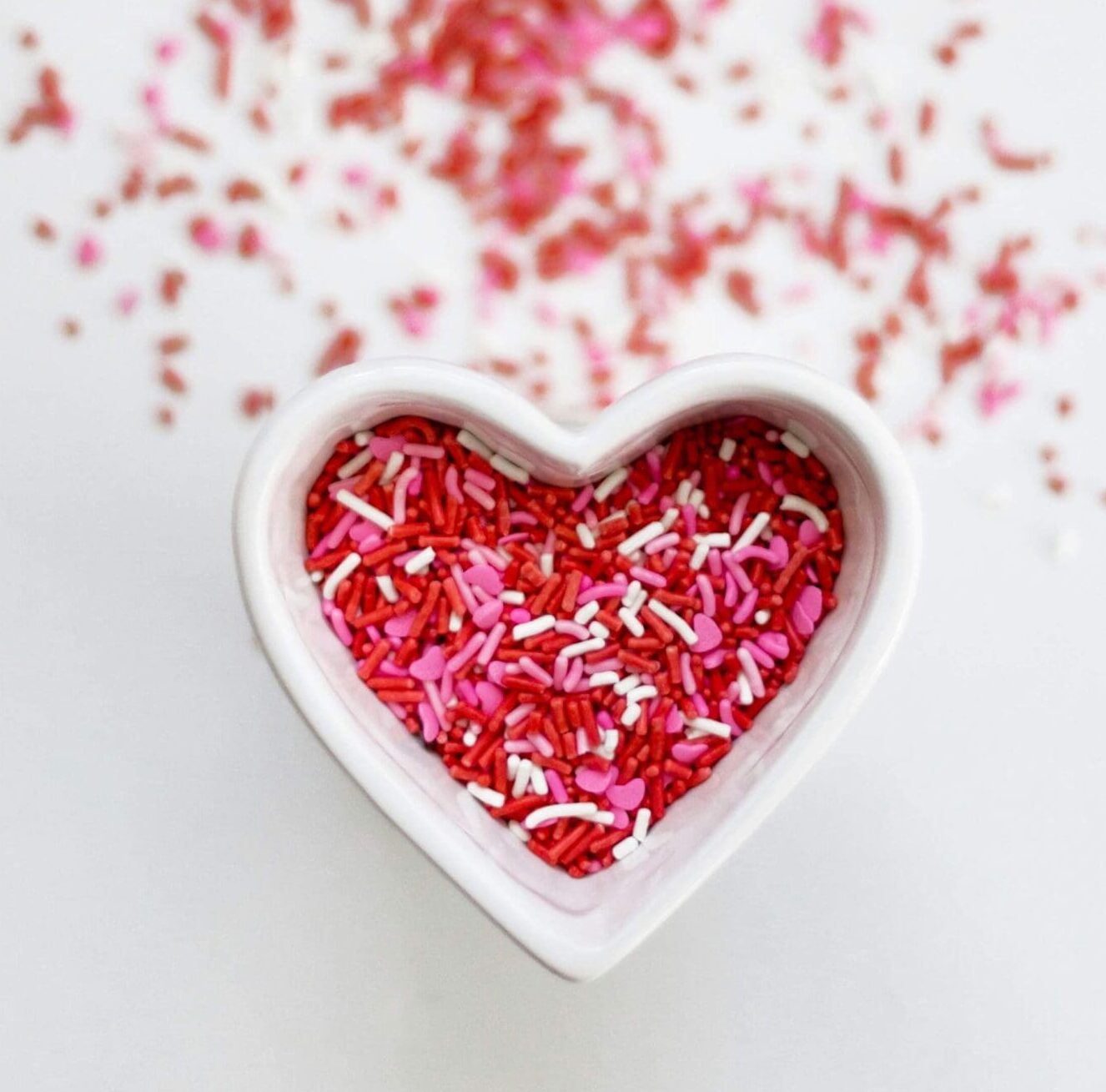
It shows up in certain candies like conversation hearts and candy corn. Some baked goods with red frosting contain it. You might find it in strawberry-flavored milk, frozen desserts, and maraschino cherries.
Some medications like cough syrups and chewable vitamins use it too. But here is the thing. Many companies already stopped using Red Dye 3 years ago.
They switched to Red Dye 40 or natural colorings like beet juice. So you may already be eating foods without this dye and not even realize it.
Why Did the FDA Ban Red Dye 3?
Here is where things get interesting. The FDA banned Red Dye 3 because of a law called the Delaney Clause. Not because the dye is actually dangerous to humans or because it cause cancer. Let me explain what happened.
The Delaney Clause Explained
The Delaney Clause is part of the Federal Food, Drug, and Cosmetic Act. Congress added it in 1958. This law says the FDA must ban any food additive that causes cancer in humans OR animals. Notice that word “or.” It does not matter if the cancer only happens in animals.
It does not matter if the doses used in studies are hundreds of times higher than any human would ever consume. It does not matter if the way cancer develops in animals cannot even happen in humans.
If a study shows cancer in any animal at any dose, the FDA must ban that additive. The Delaney Clause is what scientists call a “zero tolerance” law. And many experts believe it is outdated.
What the FDA Actually Said About Human Safety
This is the part most headlines leave out. When the FDA announced the ban, they also made a very clear statement. They said that claims that Red Dye 3 puts people at risk “are not supported by the available scientific information.”.
The FDA itself says this dye does not put humans at risk. They also stated that Red Dye 3 meets their standard of “reasonable certainty of no harm.”
That means the FDA reviewed all the evidence and concluded this dye is safe for people to consume. But because of the Delaney Clause, they had to ban it anyway. The law tied their hands.
Does Red Dye 3 Cause Cancer in Humans?
No. The FDA was very clear about this. The way it causes thyroid tumors in male rats does not occur in humans. Our bodies process this dye differently than rat bodies do. The hormonal mechanism that leads to tumors in rats simply does not exist in human biology.
Studies in female rats showed no tumors. Studies in mice showed no tumors. Studies in other animals showed no tumors. And most importantly, studies in humans showed no increased cancer risk.
The only animals that developed tumors were male rats. And they were fed doses that would be impossible for any human to consume through normal eating.
Why the Ban Happened Despite Red Dye 3 Being Safe
In 2022, a group of consumer advocacy organizations filed a petition asking the FDA to ban Red Dye 3. They cited the old rat studies from the 1980s. And they pointed to the Delaney Clause. The FDA agreed that under this law, they had no choice.
Even though their own scientists concluded the dye is safe for humans, the law required them to act. Food manufacturers have until January 2027 to remove Red Dye 3 from their products.
Drug manufacturers have until January 2028. But this timeline exists for business reasons, not safety reasons. The FDA has been clear that consuming Red Dye 3 in the meantime poses no health risk to you.
One of my clients from The NED Method Membership shared, “I spent months second-guessing every meal. Now I know exactly what supports my body, and the anxiety is gone.
What Cancer Survivors Actually Need to Focus On
As The Oncology Dietitian with over 15 years of experience, I want to be direct with you. Red Dye 3 should not be on your radar when it comes to cancer prevention.
The foods and habits that actually affect cancer risk are well-established by organizations like the World Cancer Research Fund and the American Institute for Cancer Research. And food dyes are not on that list.
The Real Cancer Risk Factors
Here is what the research actually shows:
- Processed meats like bacon, hot dogs, and deli meats are linked to colorectal cancer. This includes any meat that has been salted, cured, fermented, or smoked. Learn more about processed meats and cancer risk.
- Alcohol increases risk of seven different cancers including mouth, throat, esophageal, stomach, liver, and breast cancer. There is no safe amount when it comes to cancer prevention. I explain this in detail in my article on how alcohol causes cancer.
- Low-fiber diets increase cancer risk. Eating 30 grams or more of fiber daily reduces risk of breast and colorectal cancer.
- Excess body weight is linked to increased cancer risk. Excess body fat tissue is one of the few things that actually creates inflammation in the body.
Notice what is not on that list. Food dyes. Artificial sweeteners. Diet soda. The foods making scary headlines are rarely the ones that actually matter for your health. I help survivors stop chasing myths and start focusing on what the science actually supports.
So if you’re ready for expert, personalized support, apply here for: VIP 1:1 Cancer nutrition & Lifestyle Coaching with me today so you don’t waste another week stuck guessing what’s right for your body.
Why This News Does Not Change Anything
One of my survivors recently told me, “After cancer, food felt like the enemy. Working with you gave me the confidence to eat again without fear, and I finally feel free.” That freedom comes from understanding what truly matters.
Red Dye 3 being banned does not change your cancer risk one bit. If you ate candy with Red Dye 3 yesterday, you are fine. If you continue eating it until manufacturers remove it in 2027, you are still fine.
The FDA said so themselves. What will change your risk is eating more fiber. Moving your body regularly. Limiting alcohol. Avoiding processed meats. These are the pillars I teach inside my programs because they are the only ones backed by strong human evidence.
Stop Worrying About the Wrong Things
The Clean Scan Plan gives you a clear path forward. No confusion. No food fear. Just simple steps that actually reduce cancer risk and help you feel in control again.
What About Red Dye 40 and Other Food Dyes?
You might be wondering about other food dyes too. Red Dye 40 is different from Red Dye 3. It was not included in this ban. California did ban Red Dye 40 in school foods, but that was based on concerns about behavioral effects in some children.
As I always tell my clients, do not let fear-based headlines guide your food choices. Sugar does not feed cancer. Red dyes do not cause cancer. Diet sodas are fine. Splenda is fine. These are myths that steal your peace of mind without improving your health.
How to Stop Worrying About the Wrong Things
I see this pattern all the time. A survivor comes to me exhausted from trying to do everything “right.” They have cut out gluten, dairy, sugar, and anything with an ingredient they cannot pronounce. They spend hours reading labels.
They feel guilty about every food choice. And yet they are more anxious than ever. This is not healthy. This is fear disguised as control. One client shared with me, “I cried reading your guide because I realized I do not have to fear food anymore.”
That is the shift I want for you too. Real cancer prevention is not about perfection. It is not about avoiding every additive. It is about consistent, sustainable habits that actually move the needle.
What I Help My Clients Focus On Instead
Inside my VIP 1:1 Cancer Nutrition and Lifestyle Coaching, we work on the five pillars that genuinely reduce cancer risk and improve quality of life. Nutrition that nourishes without restriction. Movement that feels good for your body. Sleep that actually restores you.
Hydration that supports every cell. Stress management that calms your nervous system. These pillars work together. And none of them require you to panic about every headline you see on the internet.
When you know what actually matters, you can finally relax. You can eat birthday cake at your kid’s party. You can enjoy dinner with friends. You can stop being the person who Googles every ingredient before taking a bite.
FAQs
Is Red Dye 3 dangerous?
No. The FDA clearly stated that claims of Red Dye 3 being harmful to humans are not supported by scientific evidence. The dye was banned due to a legal requirement, not because it poses a health risk to people.
Why Did it Took 35 Years to Ban Red Dye 3 in Food?
Because it is safe for humans. The FDA banned Red Dye 3 in cosmetics in 1990 but did not prioritize removing it from food because the evidence showed no human health risk. They only acted now because a petition forced them to apply the Delaney Clause.
Will Foods Taste Different Without Red Dye 3?
No. Red Dye 3 has no flavor. It only adds color. Foods may look slightly different, but the taste will remain the same.
Is Red Dye 3 the Same as Red Dye 40?
No. They are different dyes with different chemical structures. Red Dye 40 was not included in this ban and remains approved for use in foods.
The Bottom Line From The Oncology Dietitian
You do not need to panic. You do not need to throw out your food. You do not need to add another item to your list of things to avoid. What you need is clarity about what actually reduces cancer risk.
And that is exactly what I help survivors with every single day. If you are tired of second-guessing every food choice and ready to feel confident about what you eat, I have something for you.
The Clean Scan Plan gives you a clear path forward. No confusion. No food fear. Just simple steps that actually reduce cancer risk and help you feel in control again.
References
- https://www.wcrf.org/diet-activity-and-cancer/risk-factors/
- https://www.aicr.org/cancer-prevention/
- https://www.cancer.org/cancer/risk-prevention/diet-physical-activity.html
- https://www.mdanderson.org/prevention-screening.html
- https://www.mayoclinic.org/healthy-lifestyle/nutrition-and-healthy-eating