
If you’re facing life after cancer, the question of whether you can eat red meat probably keeps you up at night. One article says it feeds cancer. Another says it’s fine in moderation.
Here’s what I want you to know: red meat can be part of your diet after cancer, but only when you understand how much, which types, and how to prepare it.
As your oncology dietitian, I’ve helped thousands of survivors navigate this exact confusion, and I’m going to give you the evidence-based answers you deserve.
Your Free Clean Scan Plan Is Waiting
You don’t have to figure this out alone. The Clean Scan Plan walks you through simple, proven strategies to support your body and reduce worry about recurrence. It’s the same approach I use with my private clients.
Can You Eat Red Meat After Cancer?
Yes, you can eat red meat after cancer, but quantity and quality matter enormously. The key is knowing exactly how much is safe, which cuts to choose, and how to prepare them.
This isn’t about eliminating foods you love. It’s about making smart choices that protect your health while still letting you enjoy satisfying meals.
As your oncology dietitian, I’ve seen clients thrive when they stop viewing food as all-or-nothing.
One of my survivors was terrified she’d never eat a steak again after her colon cancer diagnosis. We worked together to find her sweet spot: one small sirloin on Friday nights with roasted vegetables and quinoa. Her scans have stayed clear for three years, and she finally feels free from food fear.
If you are ready to quit guessing then check my VIP 1:1 coaching programs, where I help survivors identify which ingredients truly matter and which ones you can safely ignore.
Red Meat vs. Processed Meat: Know the Difference
Understanding the distinction between red meat and processed meat is important because they carry very different levels of cancer risk.
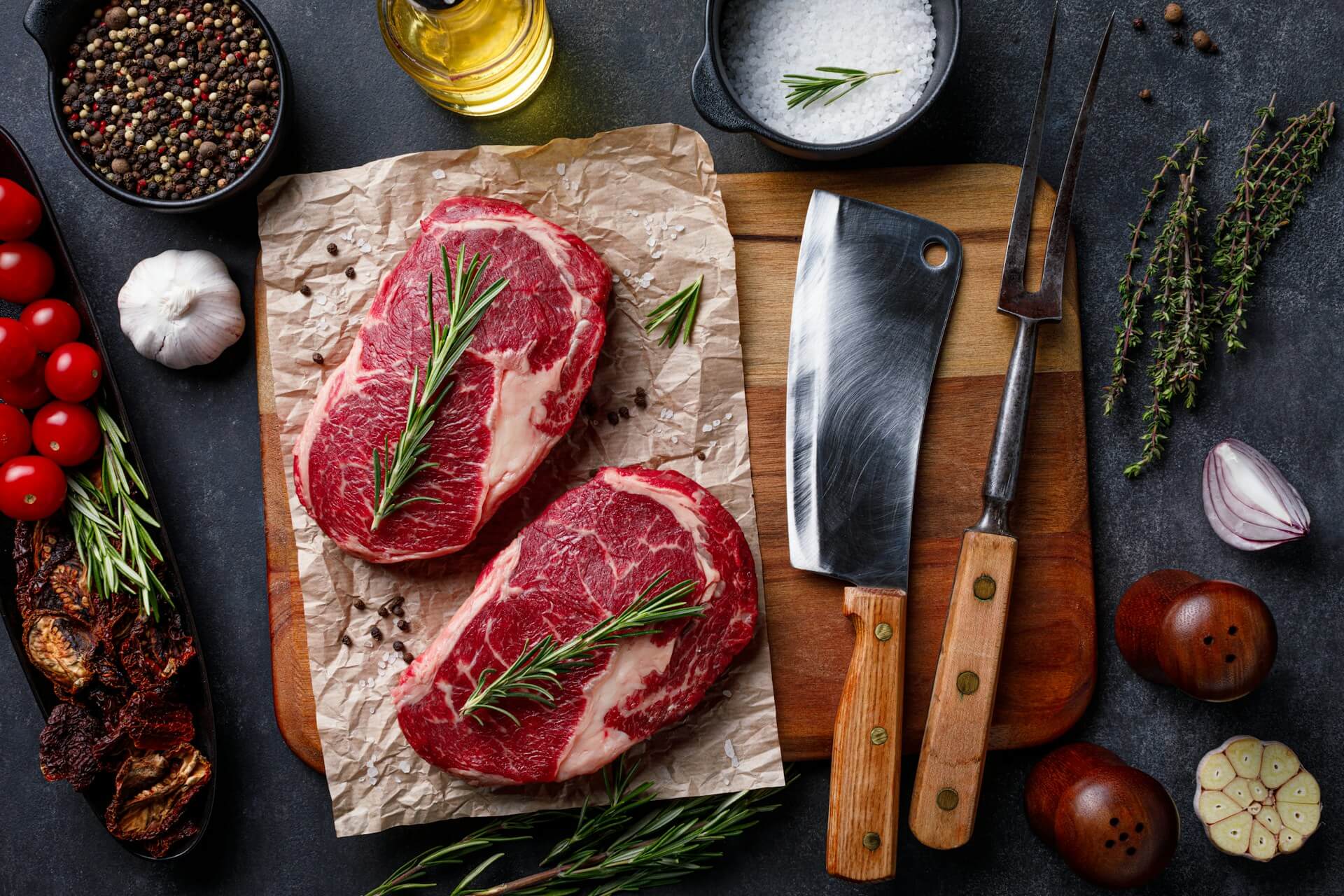
Red meat includes beef, pork, lamb, and goat. These are fresh cuts that haven’t been treated with preservatives or additives. When eaten in moderation and prepared correctly, red meat can fit into a cancer-protective diet without increasing your recurrence risk.
Processed meat has been smoked, cured, salted, or had chemical preservatives like nitrates and nitrites added. This includes bacon, sausage, hot dogs, deli meats, ham, and salami.
Here’s the critical distinction: The World Health Organization classifies processed meat as a Group 1 carcinogen, meaning there’s definitive proof it causes cancer. Red meat is classified as a Group 2A carcinogen, meaning it probably causes cancer.
Processed meats should be avoided almost entirely for cancer prevention. Every 50 grams eaten daily (about one hot dog or two slices of deli meat) increases your colorectal cancer risk by 16 percent.
How Red Meat Affects Cancer Risk: The Science Explained
The concern with red meat isn’t the meat itself. It’s about what happens when your body digests it and how you cook it.
Knowing these mechanisms helps you make smarter choices about portion sizes, cooking methods, and frequency. Knowledge removes fear and gives you control over your health decisions.
Heme Iron and Oxidative Stress
Red meat contains heme iron, the form of iron found in animal blood. While your body needs iron for energy and oxygen transport, excessive heme iron triggers oxidative stress that damages cells and DNA. This process can promote the formation of N-nitroso compounds in your gut, which are linked to bowel cancer development.
High-Heat Cooking Creates Carcinogens
When you grill, fry, or char red meat at temperatures over 300°F, two harmful compounds form:
- Heterocyclic amines (HCAs)
- Polycyclic aromatic hydrocarbons (PAHs)
Both are known carcinogens that can alter DNA and promote cancer cell growth. The longer meat cooks and the higher the temperature, the more these compounds develop.
As your oncology dietitian, I teach my clients safer cooking methods: baking, slow cooking, or grilling at lower temperatures.
One of my breast cancer survivors switched from charred steaks to slow-cooked pot roast with vegetables. Her energy improved, her digestion calmed down, and she felt confident she was protecting herself while still enjoying meat.
Discover the Clean Scan Plan Today
Thousands of survivors use The Clean Scan Plan to feel confident about their lifestyle choices. Inside, you’ll find practical nutrition guidance, movement strategies, and stress management tools that work together to lower recurrence risk.
The Benefits Red Meat Provides (When Eaten Correctly)
Before you swear off red meat forever, let’s talk about what it offers. When consumed in moderation, red meat provides nutrients that support your recovery.
These nutrients are especially important if you’re rebuilding strength after treatment, managing fatigue, or working to prevent anemia.
The key is getting these benefits without the risks that come from excessive consumption.
- High-quality protein: Helps rebuild muscle mass, maintain strength, and support healing after treatment
- Heme iron: Prevents anemia, boosts energy levels, and supports cognitive function
- Vitamin B12: Essential for brain health, nervous system function, and red blood cell production
- Zinc: Supports immune function, wound healing, and metabolism
The key is getting these benefits without the risks. Choose lean cuts like sirloin, tenderloin, or flank steak. Pair every serving with fiber-rich vegetables and whole grains.
And keep portions moderate, no more than 4 to 6 ounces per serving, three times weekly.
As your oncology dietitian, I help my clients understand that food is medicine when used correctly. You don’t need to fear red meat. You need to respect portion sizes and balance.
What About Poultry, Fish, and Plant Proteins?
You don’t need red meat to get adequate protein. In fact, switching some of your red meat meals to poultry, fish, or plant-based proteins can actively lower your cancer risk while providing excellent nutrition.
These alternatives offer high-quality protein without the compounds that make red meat concerning. Let me break down your best options.
- White meat like chicken and turkey is not linked to increased cancer risk. In fact, research on prostate cancer survivors shows that eating poultry may actually reduce the risk of premature death from all causes.
- Fish, especially fatty fish like salmon, sardines, and mackerel, provides lean protein plus anti-inflammatory omega-3 fatty acids that support heart health and may reduce cancer risk.
- Plant-based proteins like beans, lentils, chickpeas, tofu, tempeh, and nuts offer fiber, vitamins, minerals, and phytonutrients that actively reduce cancer risk. The American Institute for Cancer Research recommends filling two-thirds of your plate with plant foods.
Processed Meat: Why It’s Non-Negotiable to Avoid
I’m going to be direct here because this matters: processed meat has no safe amount when it comes to cancer prevention. The evidence linking processed meat to colorectal cancer is as strong as the evidence linking smoking to lung cancer.
This isn’t about being extreme or restrictive. It’s about protecting your health with choices backed by decades of research.
Bacon, sausage, hot dogs, deli meat, ham, and salami all contain added nitrates and nitrites that convert into cancer-promoting N-nitroso compounds in your body. Even turkey bacon and turkey sausage fall into this category if they’ve been cured or smoked with preservatives.
The link between processed meat and colorectal cancer is as strong as the link between smoking and lung cancer. The evidence is that clear.
Swap deli meat sandwiches for grilled chicken, hard-boiled eggs, canned tuna in water, or chickpea mash. Use fresh roasted turkey breast instead of packaged deli turkey. Choose bacon alternatives made from tempeh or mushrooms.
Does Red Meat Impact Recurrence for Specific Cancers?
The relationship between red meat and cancer recurrence varies depending on your specific cancer type. Some cancers show stronger associations with red meat intake than others.
Understanding how red meat affects your particular cancer type helps you make informed decisions about your diet. Here’s what the research shows for different cancer types.
The research varies by cancer type:
- Colorectal cancer: The evidence is strongest here. High red meat intake is clearly linked to increased risk of both initial diagnosis and recurrence.
- Breast cancer: Studies show that diets high in red meat and processed meat are associated with worse outcomes, while plant-based dietary patterns improve survival rates.
- Prostate cancer: Research indicates that men who eat red and processed meat after diagnosis have a higher risk of death from all causes, particularly cardiovascular disease. Poultry appears protective.
- Stage III colon cancer: Interestingly, one study found that red meat intake after diagnosis wasn’t significantly associated with recurrence or mortality when other dietary factors (especially carbohydrates) were accounted for. This doesn’t mean red meat is harmless. It means your overall dietary pattern matters most.
As your oncology dietitian, I help survivors understand that no single food causes or prevents recurrence. It’s about your entire lifestyle: nutrition, exercise, sleep, stress management, and hydration working together.
The Bigger Picture: Your Whole Diet Matters More Than One Food
Here’s what I need you to understand: no single food will cause or prevent cancer recurrence. Focusing obsessively on avoiding or eating specific foods misses the point.
What matters most is your overall dietary pattern, the cumulative effect of your choices over weeks, months, and years. This perspective shift removes fear and gives you freedom.
Your overall dietary pattern, the foods you eat most days, the portions you choose, how you cook, how much fiber and plant foods you include, that’s what shapes your long-term cancer risk.
People Also Ask
Is It Okay to Eat Red Meat If You Have Cancer?
Yes, you can eat red meat during and after cancer treatment in moderation. Stick to no more than 12 to 18 ounces weekly, choose lean cuts, and pair with fiber-rich plant foods to minimize risk while getting nutritional benefits.
How Often Should You Eat Red Meat to Avoid Cancer?
Research shows that eating more than 18 ounces of red meat per week increases colorectal cancer risk. Limit red meat to three moderate servings weekly (4 to 6 ounces each) and avoid processed meat entirely for cancer prevention.
Can Cancer Patients Take Beef?
Cancer patients can eat beef in moderation. During active treatment eating beef can help you to maintain strength and manage side effects. After treatment, limit beef to 12 to 18 ounces weekly and choose lean cuts cooked at lower temperatures.
What Meat Is Not Linked to Cancer?
Poultry like chicken and turkey, as well as fish and seafood, are not linked to increased cancer risk. Plant-based proteins like beans, lentils, tofu, and nuts actively reduce cancer risk and provide protective nutrients.
What Happens If You Eat Meat With Cancer in It?
Meat itself doesn’t contain cancer. The concern is that compounds in red meat (like heme iron) and chemicals formed during high-heat cooking (like HCAs and PAHs) can increase cancer risk when consumed regularly in large amounts.
Transform Your Health with the Clean Scan Plan
Stop worrying about what you should or shouldn’t eat. The Clean Scan Plan gives you a clear roadmap for reducing cancer recurrence through nutrition, movement, sleep, hydration, and stress management. It’s simple, science-backed, and designed specifically for survivors.
Yes! Send Me the Free Clean Scan Plan →
References
- https://www.wcrf.org/living-well/living-with-cancer/your-questions-answered/can-i-eat-meat-if-i-have-cancer-or-have-had-cancer/
- https://www.cancer.org/cancer/risk-prevention/diet-physical-activity/diet-and-physical-activity/how-diet-and-physical-activity-impact-cancer-risk/red-meat-and-cancer.html
- https://www.aicr.org/resources/blog/does-red-meat-cause-cancer/
- https://www.mdanderson.org/publications/focused-on-health/your-guide-to-eating-less-red-meat.h26Z1590624.html
- https://pmc.ncbi.nlm.nih.gov/articles/PMC10577092/
- https://www.cancerresearchuk.org/about-cancer/causes-of-cancer/diet-and-cancer/does-processed-and-red-meat-cause-cancer
- https://www.hopkinsmedicine.org/health/wellness-and-prevention/cancer-survivorship-nutrition