When survivors come to me drowning in fear about recurrence, the first thing I tell them is this: you have more control than you think.
I’m not going to feed you empty promises or tell you that eating kale will magically prevent cancer. But here’s what I know after working with thousands of survivors: small, consistent habits stack up to make a real difference.
No gimmicks. No restrictive diets that make you miserable. Just science-backed habits that fit into real life. And the best part? You don’t have to be perfect at all of them. Even one or two changes move the needle.
As your cancer dietitian, I’ve seen clients transform their relationship with cancer prevention by focusing on what they can control and letting go of what they can’t. That’s exactly what we’re doing today. Let’s dive into the habits that can slash your cancer risk.
Get The Clean Scan Plan!
This plan is all about the NED Method 5-Pillar Approach which includes improving your nutrition, exercise, hydration, sleep quality and self care. It can help you reduce cancer risk.
1. Quit Tobacco in All Forms
Tobacco use causes about 30% of all cancer-related deaths in the United States. That includes lung cancer, colorectal cancer, bladder cancer, esophageal cancer, and throat cancer. And before you think vaping is safer, let me stop you right there.
E-cigarettes and vaping products contain carcinogens too, just at lower levels than combustible tobacco. But lower doesn’t mean safe. Secondhand smoke also increases your risk, so even if you don’t smoke, exposure matters.
If you use tobacco products, quitting is the single most important thing you can do for cancer prevention. All tobacco products increase cancer risk, including cigarettes, cigars, chewing tobacco, and hookahs.
Remember that it often takes multiple attempts before quitting for good.
2. Maintain a Healthy Body Weight
Excess body weight is linked to different types of cancer. The connection? Extra fat tissue produces hormones like estrogen and insulin that can encourage cancer growth.
As your oncology dietitian, I’m not going to tell you to jump on the latest diet trend. What I see work with my clients is this: focus first on not gaining any more weight.
That by itself has real benefits. Then, when you’re ready, work on losing some extra pounds gradually through sustainable changes.
The truth about body fat and cancer risk is that it’s about reducing inflammation and balancing hormones. In my coaching programs, I show survivors how simple shifts in eating patterns reduce inflammation without giving up foods they love. Inside coaching I help you to:
- eat mindfully and pay attention to hunger and fullness cues
- choose whole foods that provide satiety without excess calories
- focus on portion control, especially with calorie-dense foods
- build lean muscle through strength training to boost metabolism
3. Move Your Body Every Single Day
Physical activity reduces the risk of cancer. Exercise helps by managing body weight, improving hormone levels, and strengthening your immune system.
The American Institute for Cancer Research recommends at least 150 minutes of moderate exercise or 75 minutes of vigorous exercise each week. But here’s what I tell my clients: any movement counts. Gardening counts. Dancing in your kitchen counts. Playing with your kids at the park counts.
One survivor I worked with started with just 5-minute walks around her block during treatment. She thought it was pointless. Fast forward six months, and she’s hiking trails on weekends. She told me, “I forgot what it felt like to be strong in my body.” That’s the power of starting small and building consistency.
The key is finding activities you don’t hate. If you despise running, don’t force it. Try swimming, cycling, or even pickle ball. Make exercise and movement a non-negotiable part of your routine by scheduling it like any other appointment.
4. Eat More Plants, Less Processed Food
The Mediterranean Diet is one of the most well-researched eating patterns for cancer prevention. It focuses on whole grains, fruits, vegetables, beans, and healthy fats. Why? Plants give us fiber to nourish our gut bacteria and loads of phytochemicals that act as antioxidants and anti-inflammatory agents.
Cultures with mainly plant-based diets have lower cancer rates compared to the standard American diet, which is heavy on red meat and processed foods. I’m not saying you need to go fully plant-based, but shifting the balance on your plate makes a difference.
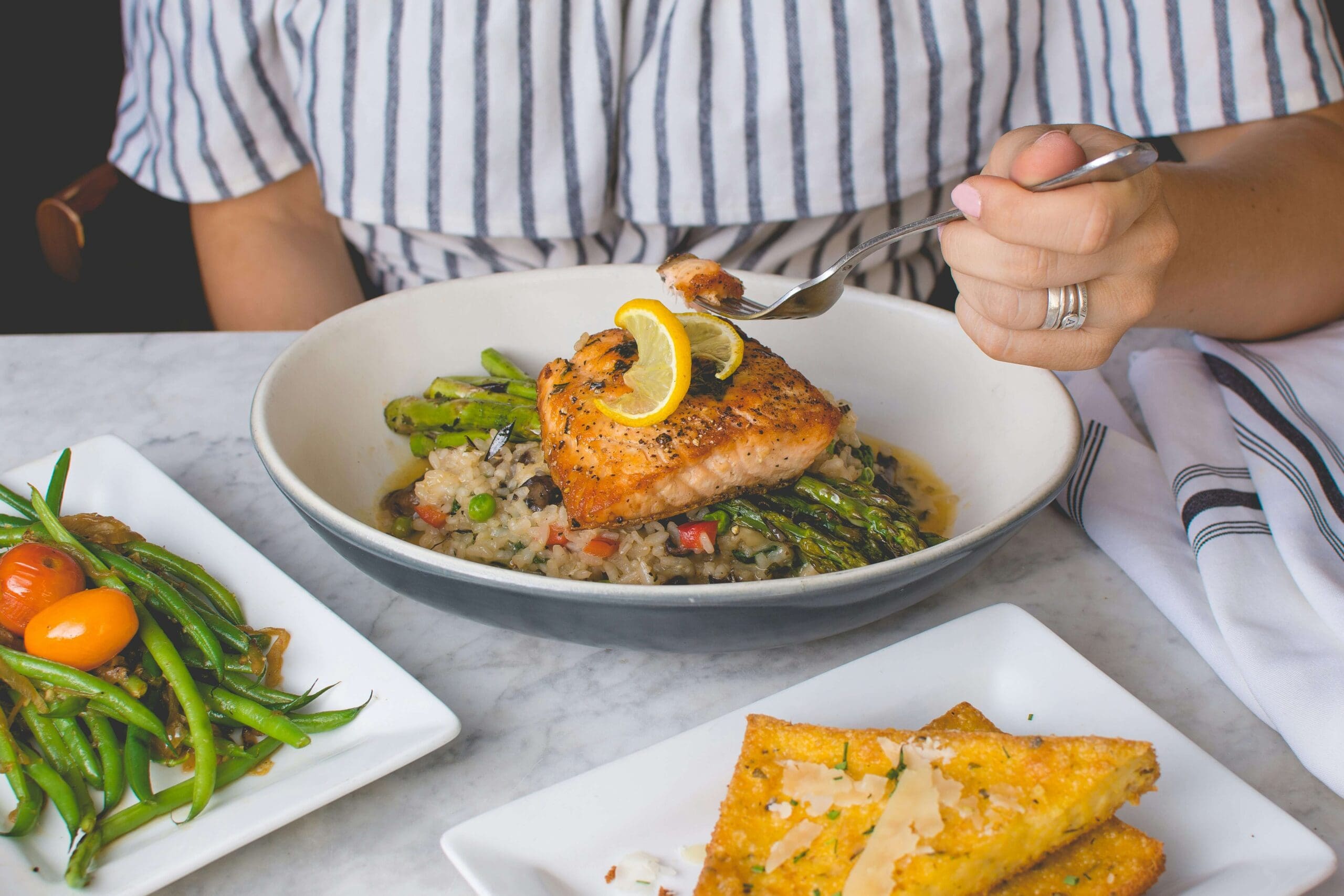
In The NED Method Membership TM, I teach survivors to make two-thirds of every plate of vegetables, fruits, and whole grains. The remaining third can include lean protein like chicken or fish. This approach gives you flexibility while maximizing the cancer-fighting power of functional foods.
5. Avoid or Limit Alcohol Consumption
Here’s the hard truth: all alcohol is a carcinogen. Even small amounts can increase risk, especially for breast cancer.
The American Cancer Society says the safest amount is zero. I know that’s not what you want to hear, especially when you just want to enjoy a glass of wine with dinner. But as your oncology dietitian, my job is to give you the facts so you can make informed choices.
If you choose to drink, limit intake to no more than one drink per day for women and two drinks per day for men. One drink equals 12 ounces of beer, 5 ounces of wine, or 1.5 ounces of hard liquor. Learn more about alcohol and cancer risk to understand the full picture.
6. Protect Your Skin From UV Radiation
Skin cancer is the most common cancer in the United States, and UV radiation from the sun or tanning beds causes the vast majority of cases. The damage from UV rays builds up over time, so even small amounts of unprotected sun exposure increase your risk.
More than 9,500 Americans are diagnosed with skin cancer every day. The good news? It’s also one of the most preventable cancers if you follow the right habits and lifestyle.
Take Control of Your Health Journey
I want to give you something that’s helped thousands of survivors find clarity and confidence. The Clean Scan Plan breaks down the exact steps you need to take to reduce cancer risk and feel empowered about your health.
7. Screened Regularly
Regular cancer screening saves lives through early detection. Screening tests like mammograms, colonoscopies, Pap smears, prostate exams, and low-dose CT scans for current or former smokers can catch cancer early when treatment is most effective.
8. Get Quality Sleep Every Night
Sleep doesn’t get enough attention in cancer prevention, but it matters. Poor and insufficient sleep is associated with weight gain, which is a cancer risk factor. Plus, ongoing sleep problems weaken your immune system, which is believed to be one way that sleep helps protect against cancer.
Aim for 7-9 hours of quality sleep each night. Your body needs that time to repair cells, regulate hormones, and support immune function. One of my clients struggled with sleep anxiety after treatment. We worked on establishing a calming bedtime routine, and she said it changed everything about her energy and mental clarity.
9. Manage Stress Effectively
Chronic stress impacts your immune system and can lead to behaviors that increase cancer risk, like overeating, drinking alcohol, or smoking. While stress itself doesn’t directly cause cancer, the way we handle stress affects our overall health.
What I see with my clients is that stress management looks different for everyone. Some find relief in meditation or yoga. Others need physical activity to burn off tension. Some just need to talk things through with a therapist or support group.
Exercise is one of the best stress relievers, which is why it shows up multiple times in cancer prevention guidelines. Spending time in nature, practicing deep breathing, and maintaining strong social connections all help manage stress effectively.
10. Stop Fearing Foods That Don’t Increase Cancer Risk
One of the most common things I hear from survivors is how they’re following extremely restrictive diets out of fear. They’ve cut out plant oils, artificial sweeteners, non-organic produce, and basically anything they read about in some random blog post.
As your oncology dietitian, I’m here to give you permission to stop living in food fear. Focus on moderation and balance. Many foods don’t increase cancer risk despite what you might read online.
One of my survivors was terrified to eat anything that wasn’t organic. She was spending hundreds of dollars and stressing over every meal. We worked together to help her understand that non-organic produce is safe and that her stress was likely doing more harm than any pesticide residue.
Making These Habits Work in Real Life
Here’s what I want you to understand: you don’t have to implement all habits perfectly starting tomorrow. That’s not how lasting change works. Research shows that even adopting just a few of these habits can significantly reduce your cancer risk.
As your oncology dietitian, I help survivors build these habits one at a time. We start with what feels most doable right now. Maybe it’s adding more vegetables to your plate. Maybe it’s taking a 10-minute walk after dinner. Maybe it’s finally quitting that tobacco habit you’ve been meaning to address.
Small shifts add up. As I always say, control your controllables and let go of the rest. You can’t control your genetics. You can’t control whether you were exposed to environmental toxins. But you can control these daily choices, and that’s powerful.
Ready to Feel More Confident About Your Scans?
Healing doesn’t stop when treatment ends. The Clean Scan Plan helps you build lasting habits around food, hydration, movement, sleep, and stress that reduce recurrence risk and restore peace of mind.
Yes! Send Me the Free Clean Scan Plan →
People Also Ask
What To Eat to Prevent Cancer?
Focus on a diet rich in fruits, vegetables, whole grains, and beans. These plant-based foods provide fiber and phytonutrients that protect against cancer.
Limit red meat to 18 ounces per week, avoid processed meats completely, and choose anti-inflammatory foods that support your immune system. No single food prevents cancer, but eating patterns matter.
How To Prevent Cancer or Find it Early?
Prevention combines healthy lifestyle habits with regular cancer screenings. Quit tobacco, maintain a healthy weight, exercise regularly, eat a plant-focused diet, limit alcohol, protect your skin from UV radiation, and get vaccinated against HPV.
For early detection, follow screening guidelines for mammograms, colonoscopies, Pap smears, and other tests based on your age and risk factors.
What Kills Cancer Cells in the Body Naturally?
Your immune system naturally identifies and destroys abnormal cells, including cancer cells. Supporting immune function through adequate sleep, regular exercise, stress management, and proper nutrition helps your body’s natural defenses.
However, no food or supplement can reliably “kill” established cancer cells. Work with your oncology team for evidence-based treatment options.
How To Prevent Cancer if it Runs in the Family?
Start by gathering your complete family health history and sharing it with your doctor. You may benefit from genetic testing, earlier cancer screenings, or risk-reducing strategies.
Focus on modifiable risk factors like maintaining a healthy weight, avoiding tobacco and excess alcohol, exercising regularly, and eating a healthy diet. Even with genetic predisposition, lifestyle factors significantly influence cancer risk.
If you’re ready for expert, personalized support, apply here for: VIP 1:1 Cancer Nutrition & Lifestyle Coaching with me today so you don’t waste another month stuck guessing what’s right for your body.
References
- https://www.cancer.org/cancer/risk-prevention/diet-physical-activity/diet-and-physical-activity.html
- https://www.mayoclinic.org/healthy-lifestyle/adult-health/in-depth/cancer-prevention/art-20044816
- https://www.aicr.org/cancer-prevention/healthy-lifestyle/
- https://www.health.harvard.edu/newsletter_article/the-10-commandments-of-cancer-prevention
- https://pmc.ncbi.nlm.nih.gov/articles/PMC10974142/
- https://health.ucdavis.edu/blog/cultivating-health/7-lifestyle-tips-to-reduce-your-cancer-risk/2024/02
- https://siteman.wustl.edu/prevention/8-ways/8-ways-to-stay-healthy-and-prevent-cancer/