
The foods you eat can either fuel inflammation or fight it. Knowing which foods reduce inflammation gives you a powerful tool to protect your body and support long-term health.
As your cancer dietitian, I have worked with thousands of survivors who transformed their relationship with food by focusing on what helps rather than what harms.
Here you will discover exactly which foods fight inflammation, how to build anti-inflammatory meals throughout your day, and why this approach matters for cancer prevention and survival.
Get The Clean Scan Plan!
This plan is all about my 5-Pillar Approach which includes improving your nutrition, exercise, hydration, sleep quality and self care. It can help you reduce cancer risk and feel confident about your next scan.
Why Anti-Inflammatory Foods Matter for Cancer Prevention
Chronic inflammation is a dangerous condition. While your immune system uses inflammation to protect you from threats, ongoing inflammation damages DNA, creates oxidative stress, and promotes tumor growth and can increase cancer risk.
It keeps your immune system on high alert even when no real threat exists. This constant state of alarm releases inflammatory markers like C-reactive protein that damage healthy cells. When cells sustain repeated damage, mutations occur, which can lead to cancer development and progression.
One of my VIP 1:1 clients came to me terrified of every bite she took. She’d cut out entire food groups because someone online said they “feed cancer.” What I showed her changed everything. We focused on adding anti-inflammatory foods instead of restricting, and within weeks her energy returned and her food fear melted away.
How Anti-Inflammatory Foods Fight Cancer
Anti-inflammatory foods work through multiple pathways to reduce cancer risk. They neutralize free radicals, lower inflammatory markers, support gut health, and stabilize blood sugar.
Each of these actions creates an environment where healthy cells thrive and cancer cells struggle to survive. Knowing these mechanisms helps you make informed choices about what to eat.
- Reducing Oxidative Stress: Free radicals are unstable molecules that damage DNA and lead to cancer-causing mutations. Berries, leafy greens, and dark chocolate contain powerful antioxidants that neutralize free radicals before they cause harm. These protective compounds shield your cells from oxidative damage.
- Lowering Inflammatory Markers: Studies show that omega-3 fatty acids from walnuts and fatty fish actively reduce inflammatory markers in your blood. Lower levels of C-reactive protein and interleukin-6 mean less chronic inflammation throughout your body.
- Supporting Gut Health: Your gut contains trillions of bacteria that influence inflammation throughout your entire body. Fiber-rich foods feed beneficial gut bacteria, which produce short-chain fatty acids that fight inflammation. A healthy gut microbiome strengthens your immune system.
- Stabilizing Blood Sugar: High blood sugar spikes trigger inflammatory responses in your body. Anti-inflammatory foods like healthy fats, fiber-rich whole grains, and lean proteins prevent blood sugar spikes. Stable blood sugar means lower insulin levels and reduced inflammation.
The Most Powerful Anti-Inflammatory Foods
In The NED Method™ Membership, I help survivors understand which foods pack the biggest anti-inflammatory punch so they can make simple, powerful choices every day.
- Berries and Colorful Fruits: Blueberries reduce cancer risk through powerful anthocyanins that fight inflammation. Strawberries, raspberries, and cherries contain similar compounds. Citrus fruits provide vitamin C, a potent antioxidant.
- Leafy Greens and Cruciferous Vegetables: Leafy greens reduce cancer risk through multiple mechanisms. Spinach, kale, and Swiss chard contain vitamins A, C, and K that regulate inflammatory pathways.
- Extra Virgin Olive Oil: This kitchen staple contains oleocanthal, a compound with anti-inflammatory properties similar to ibuprofen. Avocados provide monounsaturated fats that reduce inflammation while supporting nutrient absorption. Use 2 to 3 tablespoons of olive oil daily for cooking and dressings.
- Anti-Inflammatory Spices: Turmeric contains curcumin, one of the most studied anti-inflammatory compounds. Garlic and cancer risk show an inverse relationship thanks to allicin’s effects. Ginger reduces inflammatory markers and supports digestion. These spices transform ordinary meals into inflammation-fighting powerhouses.
- Dark Chocolate and Green Tea: Dark chocolate with at least 70% cocoa contains flavonoids that fight inflammation. Green tea provides catechins, powerful antioxidants that reduce inflammatory markers. A small piece of dark chocolate or cup of green tea daily delivers measurable anti-inflammatory benefits.
Take Control of Your Health Journey
I want to give you something that’s helped thousands of survivors find clarity and confidence. The Clean Scan Plan breaks down the exact steps you need to take to reduce cancer risk through nutrition, movement, sleep, hydration, and stress management.
Anti-Inflammatory Breakfast Ideas
Starting your day with anti-inflammatory foods sets the tone for stable energy and reduced inflammation.
These breakfast options combine protein, healthy fats, and antioxidant-rich foods to fight inflammation from your first meal. The best part? They’re simple to prepare and actually taste good.
- Oatmeal with Berries and Chia Seeds: Steel-cut oats provide soluble fiber that prevents blood sugar spikes. Top with fresh blueberries and strawberries for anthocyanins that fight inflammation. Add chia seeds for omega-3 fatty acids and a tablespoon of almond butter for sustained energy. This warm, comforting bowl takes just 10 minutes to prepare.
- Green Smoothie Bowl: Blend spinach with frozen berries, banana, and unsweetened almond milk. Add a scoop of protein powder for staying power. Top with sliced almonds and hemp seeds. The combination provides antioxidants, protein, and healthy fats in one satisfying bowl that you can drink on the go or eat with a spoon.
- Avocado Toast with Tomatoes: Spread mashed avocado on whole grain toast. Top with sliced tomatoes, which contain lycopene that fights inflammation. Add a poached egg for protein and drizzle with extra virgin olive oil. Season with black pepper to enhance nutrient absorption. This classic combination never gets old.
Anti-Inflammatory Dinner Ideas
Dinner offers your biggest opportunity to incorporate anti-inflammatory foods. Focus on filling half your plate with colorful vegetables, one quarter with lean protein, and one quarter with whole grains or starchy vegetables. This simple visual guide takes the guesswork out of building balanced meals.
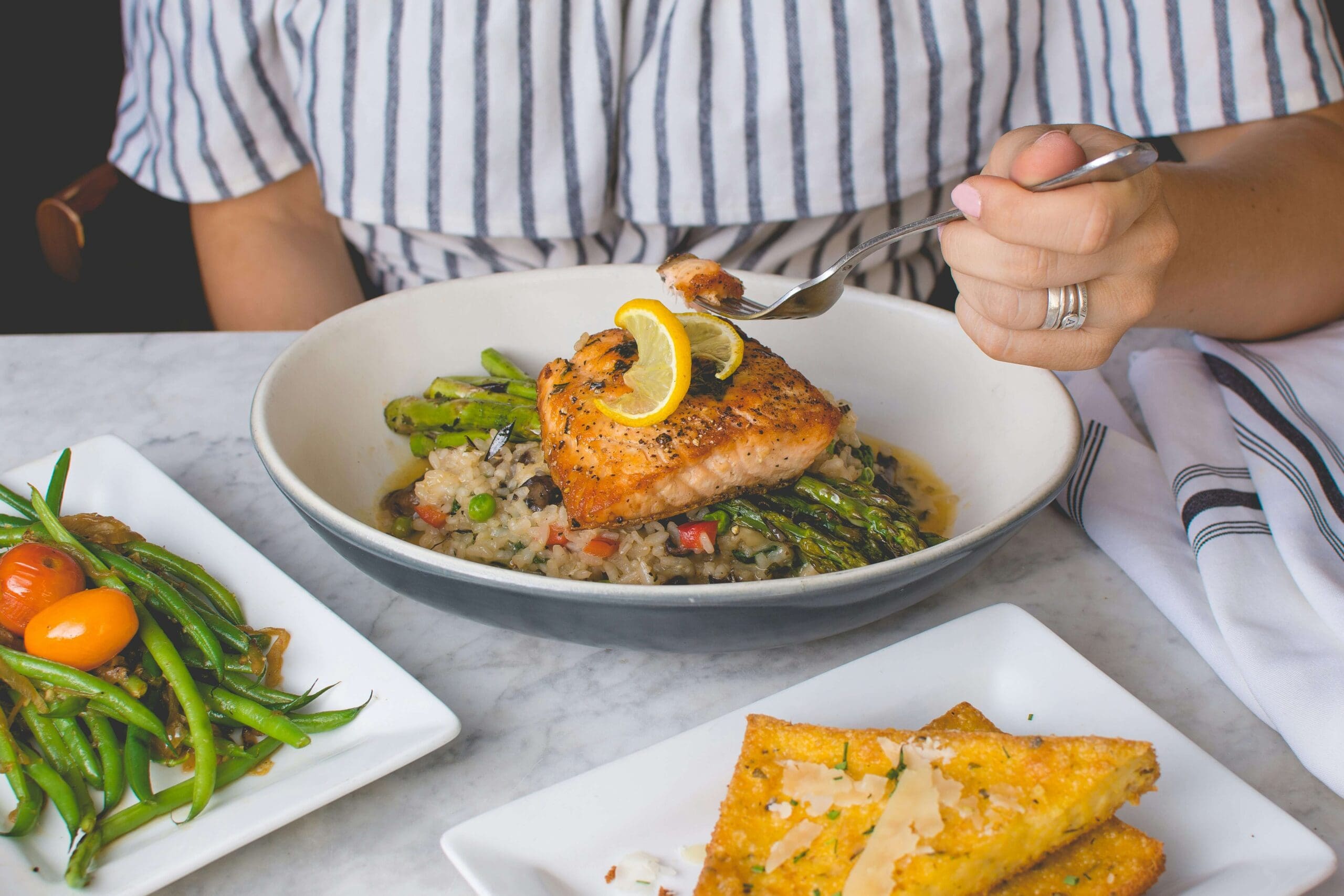
- Grilled Fish with Roasted Vegetables: Choose salmon, mackerel, or trout rich in omega-3 fatty acids. Roast broccoli, cauliflower, and carrots with olive oil and turmeric.
- Vegetable Stir-Fry with Tofu: Stir-fry colorful bell peppers, snap peas, and bok choy in avocado oil. Add cubed tofu for plant-based protein. Season with fresh ginger, garlic, and turmeric.
- Chicken and Quinoa with Leafy Greens: Grill or bake chicken breast seasoned with herbs. Serve with quinoa and sautéed kale or spinach. The combination of lean protein and fiber-rich whole grains keeps inflammation in check while leafy greens provide essential vitamins that support immune function. Add a squeeze of lemon for brightness.
Foods to Limit for Lower Inflammation
Reducing pro-inflammatory foods matters as much as adding anti-inflammatory options. You don’t need to eliminate these foods completely. Perfection isn’t the goal. Limiting them significantly reduces chronic inflammation in your body. Think of progress, not perfection.
- Processed Meats and Red Meat: Processed meats and cancer show a strong connection through inflammatory pathways. Bacon, sausage, and deli meats contain compounds that promote inflammation. When eating red meat, choose grass-fed options in moderate portions and pair with plenty of vegetables. Make red meat an occasional choice rather than a daily staple.
- Embracing foods rich in healthy fats and fiber-rich whole grains provides your body with the tools it needs to maintain a healthy inflammatory balance. These positive choices support long-term wellness.
- Whole Grains and Fiber-Rich Alternatives: Focus on adding whole grain alternatives like brown rice and quinoa to your meals instead of white rice, white bread, pastries, and sugary beverages. These choices are rich in fiber, which helps slow sugar absorption, supports stable blood sugar, and provides essential nutrients for an anti-inflammatory diet.
- Healthy Fats and Beneficial Cooking Methods: Intentionally choose healthy fats and beneficial cooking methods. Opt for baking, steaming, or sautéing, and incorporate healthy fats, while checking labels to avoid anything listing “partially hydrogenated oils.” This focus on healthy fats and gentle cooking methods actively supports your body’s anti-inflammatory goals.
The Oncology Dietitian Plate Method: An Anti-Inflammatory Model
As The Oncology Dietitian, I recommend aiming for 30 grams of fiber daily through fruits, vegetables, beans, legumes, nuts, seeds, and whole grains. These foods contain macronutrients and micronutrients that work hard inside your body to keep cells strong, healthy, and repaired every day.
What I’ve seen with my clients in The NED Method Membership is remarkable. When they embrace this style of eating, they don’t feel restricted. They feel nourished. One survivor told me, “I finally stopped fearing food and started enjoying meals again. My energy came back, and I feel stronger than I did before diagnosis.”
That’s the power of focusing on what you add instead of what you remove. The only two things with significant evidence showing increased cancer risk are alcohol and processed meats. Beyond that, you can enjoy all foods and beverages. This is a joyous reminder that you don’t have to live in fear at mealtimes. Enjoy your food, nourish your body, and be proud of every meal.
People Also Ask
How To Reduce Inflammation in a Kid’s Body?
Prioritize foods rich in fiber and lean proteins, such as fruits, vegetables, whole grains, and healthy fish. Also, ensure consistent movement, adequate sleep, and proper hydration, as these lifestyle factors help reduce inflammatory markers in children.
Can an Anti-Inflammatory Diet Reduce Cancer Risk?
Yes, research shows anti-inflammatory diets lower cancer risk significantly. Studies found each unit increase in dietary inflammatory index increases overall cancer risk by 8.3%. Colorectal cancer risk increases 6-7% per unit of inflammatory diet score.
What is The Most Anticancer Food?
No single food prevents cancer alone. Berries, cruciferous vegetables, fatty fish, and leafy greens show strong anticancer properties through multiple mechanisms. Focus on eating a variety of colorful plant foods daily for maximum protection.
What is The Strongest Anti-Inflammatory Food?
Omega-3 Foods like salmon, anchovies, chia seeds, flaxseeds, walnuts and spinach provide powerful omega-3 fatty acids that reduce inflammatory markers significantly. Berries rich in anthocyanins and turmeric containing curcumin also show exceptional anti-inflammatory effects. Combine multiple anti-inflammatory foods for best results.
Ready to Feel More Confident About Your Scans?
Healing doesn’t stop when treatment ends. The Clean Scan Plan helps you build lasting habits around food, hydration, movement, sleep, and stress that reduce recurrence risk and restore peace of mind.
Yes! Send Me the Free Clean Scan Plan →
References
- https://www.health.harvard.edu/staying-healthy/foods-that-fight-inflammation
- https://www.hopkinsmedicine.org/health/wellness-and-prevention/anti-inflammatory-diet
- https://www.cancer.org/cancer/risk-prevention/diet-physical-activity/diet-and-physical-activity/how-diet-and-physical-activity-impact-cancer-risk/anti-inflammatory-diets-and-cancer.html
- https://www.aicr.org/resources/blog/can-an-anti-inflammatory-diet-reduce-cancer-risk/
- https://cancerblog.mayoclinic.org/2025/02/17/want-to-reduce-chronic-inflammation-start-with-your-grocery-list/
- https://pmc.ncbi.nlm.nih.gov/articles/PMC11576095/
- https://pmc.ncbi.nlm.nih.gov/articles/PMC10582578/
- https://www.dana-farber.org/newsroom/news-releases/2025/diet-influences-survival-after-stage-iii-colon-cancer-dana-farber-study-finds
- https://www.nature.com/articles/s41523-020-00179-4