
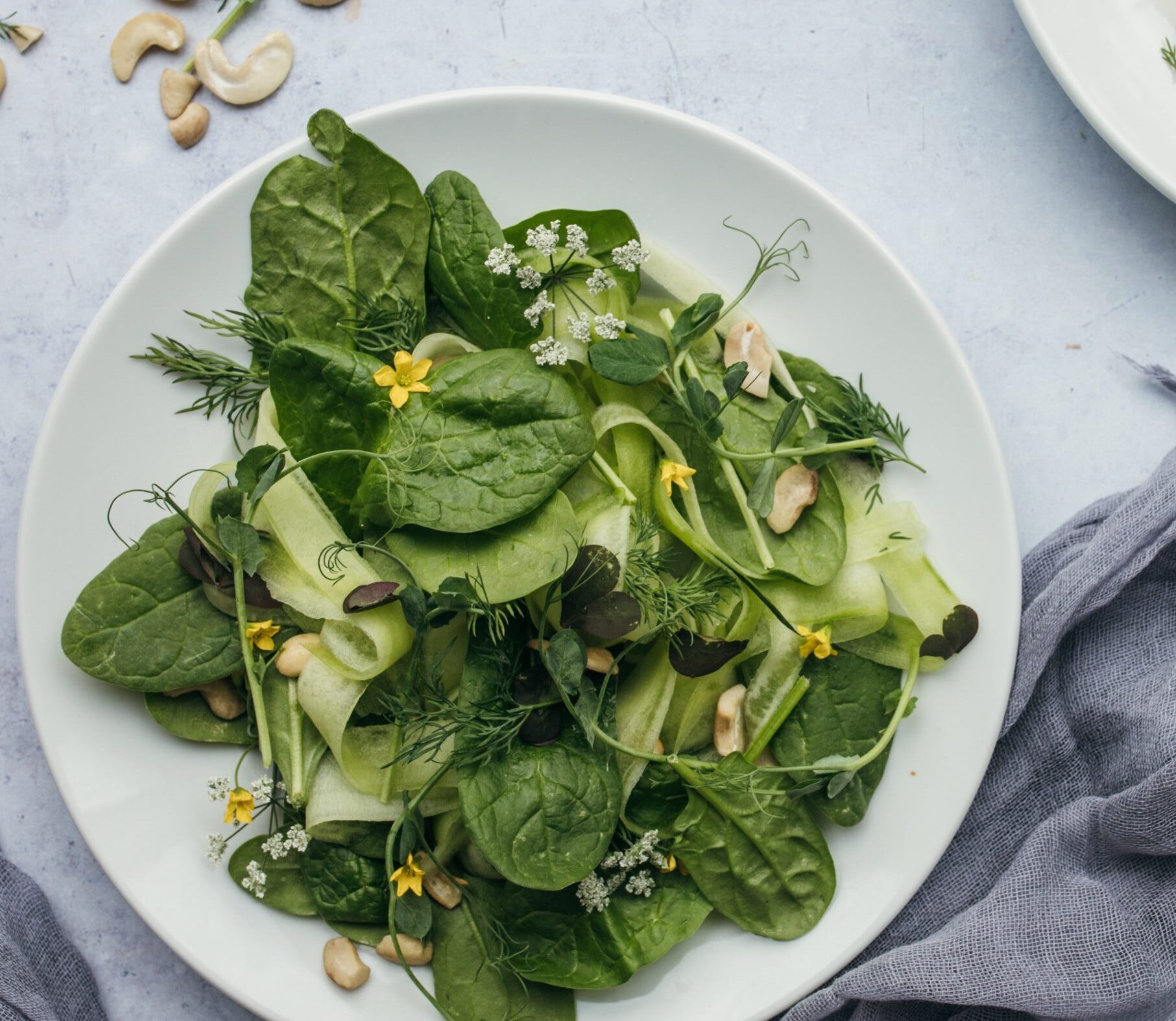
Ever wonder why your mom kept telling you to eat your greens? Well, she was onto something big. Those leafy greens on your plate aren’t just there to make your meal look pretty. They’re actually tiny warriors that can help protect your body from cancer.
From spinach to kale, from broccoli to Brussels sprouts, these green leafy vegetables pack a powerful punch against cancer cells. Think of them as your body’s personal bodyguards, working around the clock to keep harmful changes from happening in your cells.
Whether you’re looking to prevent cancer or support your body during recovery, these humble vegetables offer something truly special. They’re affordable, available year-round, and incredibly versatile in the kitchen. The best part?
You don’t need to eat a mountain of them to see benefits. Even adding a few servings per week can make a real difference in your cancer prevention journey. And unlike complicated diet plans or expensive supplements, eating more greens is something anyone can do, starting today.
Get Your Free Clear Scan Plan!
Protect your future, not just your next appointment. The NED Method supports cancer prevention and heart, metabolic, and brain health. One framework. Many wins.
What Makes Leafy Greens So Special for Cancer Prevention?
Cruciferous vegetables contain unique compounds called isothiocyanates that give them their cancer-fighting superpowers. These natural chemicals work like your body’s own defense system, helping to stop cancer cells before they can cause trouble. The American Institute for Cancer Research found that people who eat more vegetables and fruits have lower risk of many types of cancer.
Here’s what makes leafy greens amazing:
- They’re loaded with vitamins C, E, and K
- They contain folic acid (vitamin B9) that protects your DNA
- They’re rich in dietary fiber that keeps your gut healthy
- They have beta carotene and other carotenoids that act as antioxidants
- They contain special compounds that help your body get rid of harmful substances
The Science Behind How Greens Fight Cancer
When you eat cruciferous vegetables, your body breaks them down into powerful compounds that protect your cells. These compounds help stop DNA damage that can lead to cancer. They also help your body remove harmful chemicals and even tell damaged cells to shut themselves down before they become cancerous.
Research from the National Cancer Institute shows that isothiocyanates from cruciferous vegetables can help prevent cancer in many organs, including the bladder, breast, colon, liver, lung, and stomach. These compounds work in several ways:
- They protect cells from DNA damage
- They help inactivate cancer-causing chemicals
- They have antiviral and antibacterial effects
- They reduce inflammation in your body (learn about anti-inflammatory foods to reduce cancer risk)
- They can cause damaged cells to self-destruct
The Power Players: Key Nutrients in Leafy Greens
Each nutrient in leafy greens plays a special role in fighting cancer. Understanding what these nutrients do can help you appreciate why variety matters. Leafy greens are low in calories but incredibly dense in nutrients!
Essential Vitamins
Fat-soluble vitamins that need healthy fats for absorption:
- Vitamin A – Helps cells grow and develop normally
- Vitamin E – Acts as an antioxidant protecting cells
- Vitamin K – Important for blood clotting and bone health
Water-soluble vitamins that your body uses daily:
- Vitamin B1, B2, B3, B5, B6 – Support energy production and cell health
- Vitamin C – Powerful antioxidant and immune booster
- Folate (Vitamin B9) – Protects DNA and prevents mutations
Important Minerals
- Iron – Carries oxygen to cells
- Magnesium – Supports hundreds of enzyme reactions
- Zinc – Boosts immune function
- Potassium – Regulates blood pressure
- Calcium – Builds strong bones
- Phosphorus – Works with calcium for bone health
Folate (Vitamin B9)
Folic acid helps your body make and repair DNA properly. Research shows that getting about 400 micrograms daily from foods can help reduce colorectal cancer risk by 7%. Good sources include spinach, kale, and Brussels sprouts. However, it’s important to get folate from foods rather than high-dose supplements, which might have different effects.
Vitamin C
Vitamin C is a powerful antioxidant that helps stop the formation of cancer-causing substances in your body. It also supports your immune system, helping it identify and destroy abnormal cells. Just one cup of raw kale gives you more vitamin C than an orange!
Carotenoids
Beta carotene and other carotenoids give vegetables their bright colors and act as antioxidants. Higher blood levels of carotenoids are linked with lower risk of overall cancer. Your body converts beta carotene into vitamin A, which helps cells grow and develop normally.
Fiber
Dietary fiber from leafy greens feeds the good bacteria in your gut. This healthy gut microbiota produces compounds that protect your colon from cancer. Studies show that high fiber intake is linked with reduced risk of colorectal carcinoma. Learn more about how your gut microbiome affects cancer risk.
Glucosinolates
These special compounds are present in cruciferous vegetables and some bitter leafy greens (mustard greens, kale, broccoli greens). They’re released when the vegetable is cut, chewed, or damaged. These break down into beneficial compounds that help reduce inflammation, inhibit cancer-promoting enzymes, and activate tumor suppressor genes. In breast cancer research, some of these substances known as indoles have shown beneficial effects in cell and animal studies by converting estrogen to a weaker form.
Best Ways to Prepare and Eat Your Greens
How you cook your vegetables matters! Some cooking methods can actually increase the availability of cancer-fighting compounds.
Raw vs. Cooked
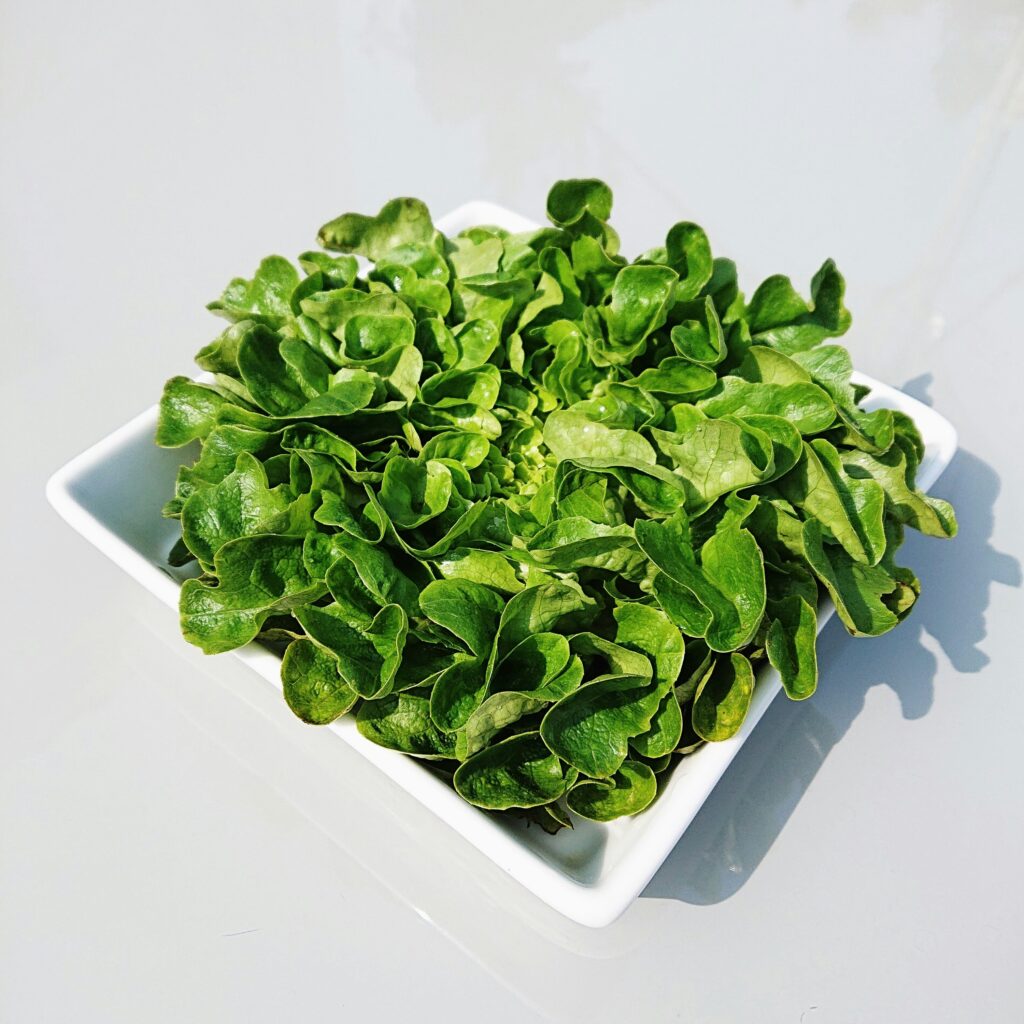
Both raw and cooked greens have benefits. Raw vegetables keep all their vitamin C and some heat-sensitive nutrients like B-vitamins. But cooking can actually increase the availability of other nutrients like beta carotene and iron, making them easier to digest. The key is variety!
Smart Cooking Tips
- Steam lightly – Keeps most nutrients intact
- Stir-fry quickly – High heat for short time preserves nutrients
- Add to soups – Nutrients stay in the broth
- Microwave or bake – Helps retain more nutrients than high-temp methods
- Avoid boiling – Many vitamins dissolve in the water (save the water if you do!)
- Add healthy fats – Olive oil or avocado helps absorb fat-soluble vitamins
- Chew well – Breaking down the vegetables releases more beneficial compounds
Keep joy in food. Keep power in your hands.
My NED Method 5 Pillar Approach for Nutrition & Lifestyle is flexible, culture-friendly, and built for real life. Begin with the free starter.
9 Creative Ways to Eat Leafy Greens
Obviously, you can make SALADS with leafy greens, but don’t stop there! There are so many delicious ways to enjoy these wonderful foods as part of your cancer prevention lifestyle.
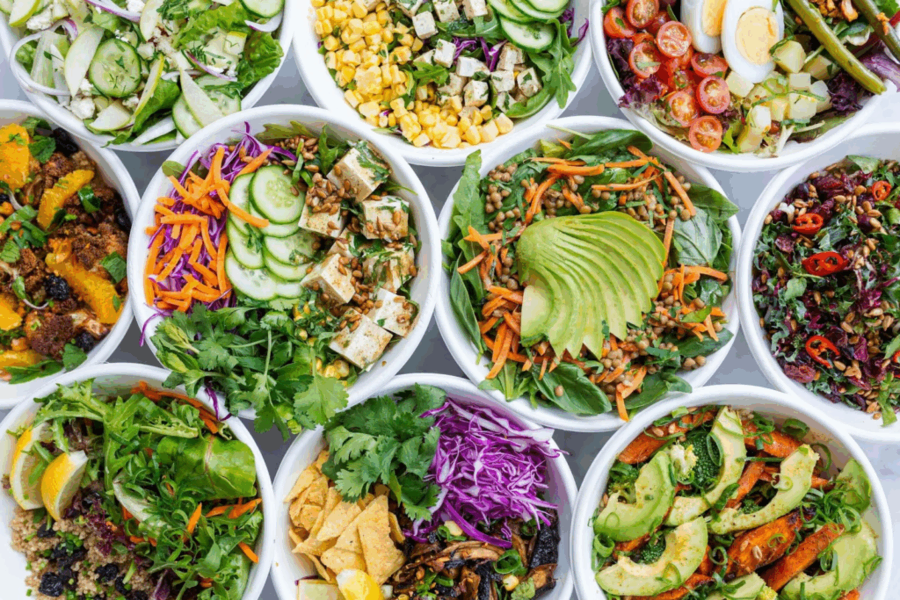
1. Chicken or Tuna Salads
Not the leafy kind! Cut up some spinach, kale, or watercress to throw in with your chicken or tuna salad mix. Adds nutrition without changing the flavor much.
2. Soups
Blend for a creamy green soup or add leafy greens to any soup along with some carbs (rice, pasta, beans), protein, and more veggies. Try a spicy white bean and kale soup or bok choy with warm ramen!
3. Breakfast Boost
Start your day with greens! Add them to your omelet, give your avocado toast a kick with arugula or mustard greens, throw sautéed spinach into your grits, or try savory oatmeal with any leafy green.
4. Smoothies
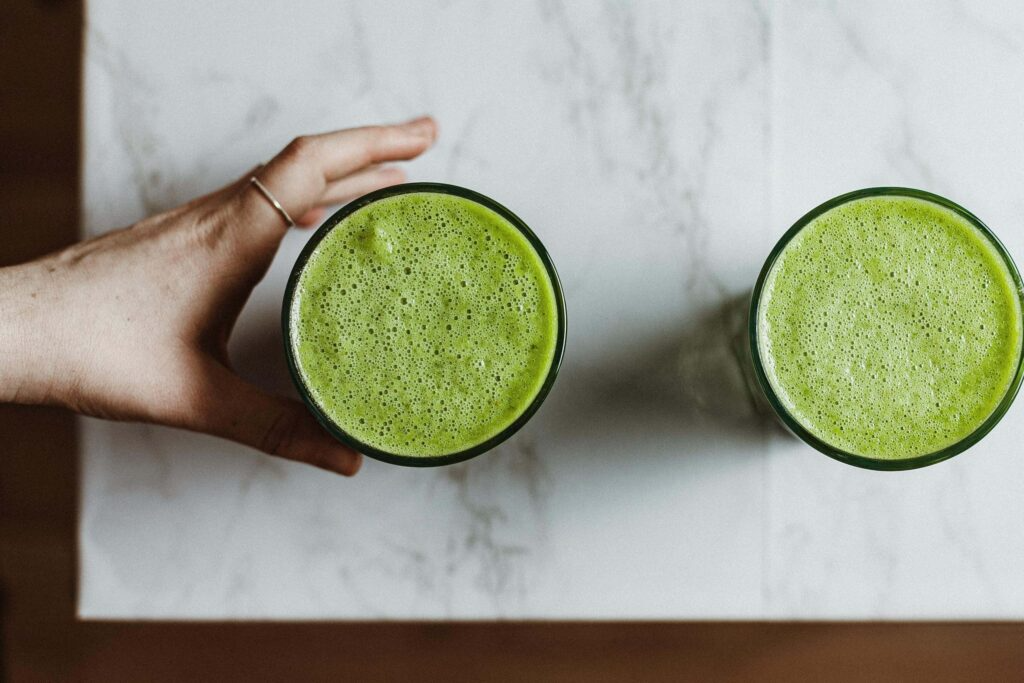
Green smoothies are a great way to pack in a serving of fruit and leafy greens. Add some protein and healthy fats for a balanced drink that keeps you full and your blood sugar stable.
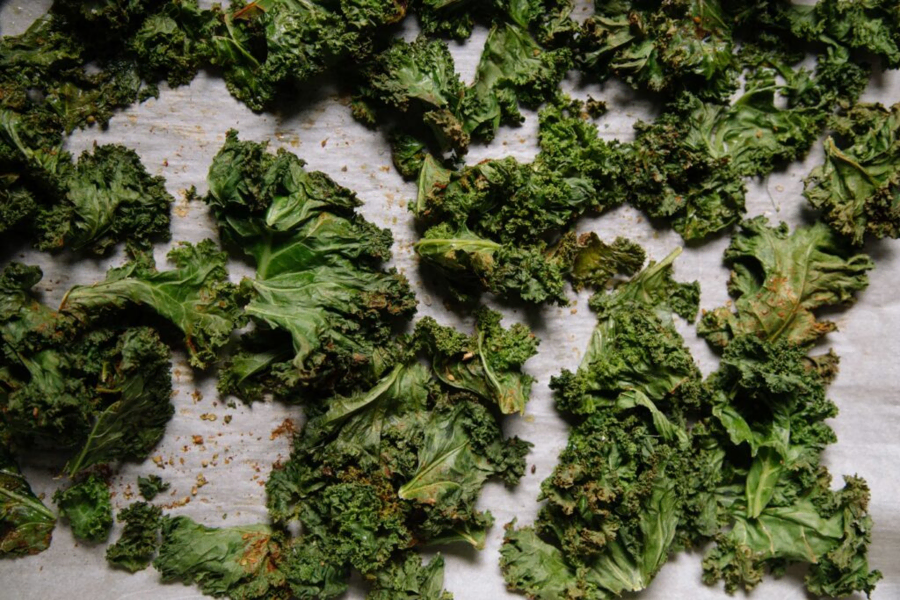
5. Crispy Chips
Make kale chips or use other leafy greens in your oven or air-fryer. Simply toss with olive oil and your favorite herbs and spices. Bake for a crunchy, nutritious snack! For more ideas, check out our guide to smart snacking for cancer prevention.
6. Stir Fries
Add your leafy greens towards the end since they cook quickly! Enjoy with brown rice, fried egg, and chicken or tofu for a nutritious meal.
7. Dips and Sauces
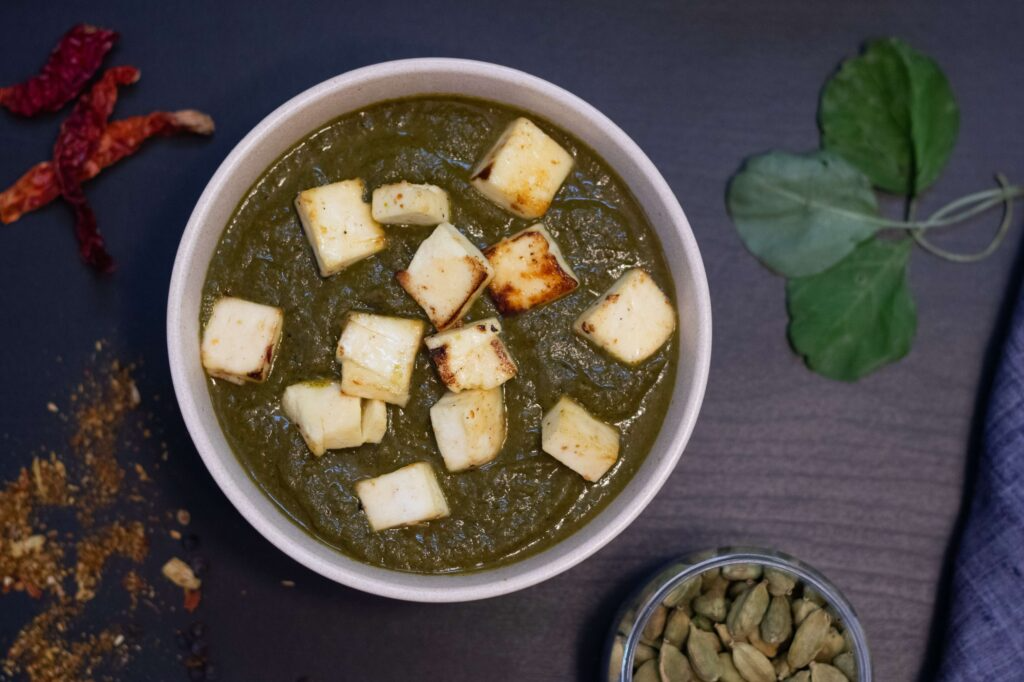
Use a food processor to blend cooked spinach with cottage cheese, parmesan, garlic, and basil for a green pasta sauce. Or try making saag paneer using spinach and other leafy greens!
8. Wraps and Sandwiches
Some greens give your handheld lunch a nice crunch and flavor! Arugula has a peppery taste that will elevate your meal to the next level.
9. Green Goddess Dressing
It sounds crazy – putting salad ON your salad – but a homemade green goddess dressing is amazing! Blend fresh herbs, a fat source, spices, and leafy greens like watercress. This creamy dressing hits the spot AND you get extra greens. Win-win! For more salad inspiration, check out the power of colorful salads for cancer prevention.
The Research Continues
Scientists at places like Moffitt Cancer Center and the National Cancer Center continue studying how vegetables protect against cancer. Recent research from the Women’s Health Initiative and other large studies keeps confirming what we know: eating more greens means lower cancer risk.
New studies are looking at how our genes affect how we process the nutrients in vegetables. This research might help us understand why some people seem to get more benefit from eating greens than others.
Making It Sustainable
The key to getting cancer-prevention benefits from leafy greens is making them a regular part of your diet. You don’t need to be perfect – just consistent.
Fresh, Frozen, or Canned?
All three are great options! Choose fresh for immediate use, but keep frozen and canned greens on hand to avoid waste. Frozen veggies are your best friend towards the end of the week when you’re running low on fresh produce or want to put something together FAST. They’re picked at peak nutrition and flash-frozen, so they retain most of their nutrients. And yes, canned foods are safe too!
Quick tip for meal prep: only buy the fresh leafy greens you’ll use within the next few days, and have frozen options ready for quick nutrition boosts to any meal.
Start small:
- Add one extra serving of greens this week
- Try one new green vegetable each month
- Find three recipes you actually enjoy
- Keep pre-washed greens on hand for convenience
The Bottom Line
Leafy greens are some of nature’s most powerful tools for cancer prevention. As your cancer dietitian, I make them simple and delicious to use – without dieting or extremes. They’re packed with compounds that protect your DNA, support your immune system, and help your body get rid of harmful substances. You don’t need to eat huge amounts – just regular servings throughout the week can make a difference (and I’ll build this into the meals you already love so it sticks).
Remember, cancer prevention isn’t about being perfect. It’s about making smart choices most of the time and having a plan that fits your life. Adding more leafy greens to your diet is one of the easiest and most effective steps you can take to protect your health. Inside my NED Method, we plug in fast, flexible options (smoothies, soups, sautés) so consistency feels effortless. Your body will thank you for it! Start with The Clean Scan Plan to see exactly how I lay this out for clients.
Grab the Free Clear Scan Plan →
References
- National Cancer Institute – Cruciferous Vegetables and Cancer Prevention
- American Institute for Cancer Research – Dark Green Leafy Vegetables
- Cruciferous Vegetables, Isothiocyanates, and Bladder Cancer Prevention
- World Cancer Research Fund – Leafy Greens Decrease Bowel Cancer Risk
- Folate Intake and Risk of Colorectal Cancer Meta-Analysis
- USDA Guidelines on Vegetable Consumption
- AICR – Broccoli and Cruciferous Vegetables
- Fruit and Vegetable Intake Meta-Analysis