
If you spend any amount of time on the internet, chances are you’ve heard blueberries called everything from “superfoods” to “cancer-fighting miracles.” As your oncology dietitian, I need to set the record straight about what blueberries can and can’t do for cancer cells and your overall health. The truth is more nuanced and actually more helpful than the hype suggests.
Let me get one thing straight: food alone cannot cure diseases. I get so frustrated when people say food can replace actual cancer treatment. Now you might be wondering how do blueberries reduce cancer risk? So let me tell you.
Here’s what food can do: provide powerful benefits that keep your body strong and help reduce your risk of disease and even lower the risk of recurrence by up to 50% or more for certain cancers. You don’t need pricey powders or boutique health stores. Everyday foods like blueberries are nutrient-rich, evidence-based, and far more effective than “cure-all” supplements.
Let’s dive into what science actually says.
Your Clean Scan Plan lays out the exact nutrition and lifestyle strategies proven to lower cancer risk and support long-term health.
How Blueberry Compounds Can Impact Cancer Cells?
These tiny berries pack a huge nutrient punch. In just one cup of blueberries, you get 84 calories, 3.6 grams of fiber (14% of your daily needs to get in that reduces breast and colon cancer), plus vitamin C, vitamin K, and manganese. But the real magic happens with compounds you can’t see on a nutrition label.
The phenolic compounds in blueberries give them their impressive antioxidant capacity. These include anthocyanins, flavonols, tannins, and phenolic acids. Each plays a unique role in protecting your cells from damage that could lead to cancer.
Research shows these compounds work synergistically, meaning they’re stronger together than alone. This combination effect is why whole foods are always better than isolated supplements. As explained in Sugar Does Not Feed Cancer, it’s the overall dietary pattern that matters most.
How Anthocyanins Impact Cancer Cell Proliferation?
Anthocyanins are those beautiful blue pigments that act like tiny shields for your cells. Research shows these compounds influence cancer metabolism in multiple ways. They help regulate genes controlling cell growth and reduce inflammation that fuels tumor development.
Studies demonstrate anthocyanins can reduce cancer cell proliferation by up to 50% in laboratory settings at concentrations of just 15-50 μg/mL. They may even trigger apoptosis, which is when damaged cancer cells self-destruct. This process is actually beneficial for preventing cancer development.
The UAB Comprehensive Cancer Center found that as little as one cup daily can help prevent cell damage linked to cancer. This amount is easily achievable through a regular diet. Pretty impressive for something you can toss in your morning oatmeal!
The Role of Vitamin C and Your Immune System
Vitamin C keeps your immune system functioning properly and acts as an antioxidant to stop harmful free radicals. It’s not just about preventing colds. Vitamin C is crucial for maintaining a strong immune system that identifies and deals with abnormal cells before they become problematic.
Your body can’t make vitamin C on its own. Getting it from foods like blueberries is essential for cancer prevention. Studies show people with higher vitamin C intake have lower rates of various cancers, particularly digestive system cancers.
The vitamin C in blueberries also enhances iron absorption from plant foods. This helps prevent anemia, a common concern for cancer patients. It’s another example of how whole foods provide multiple benefits beyond isolated nutrients.
Phenolic Compounds and Antioxidant Activity
The antioxidant activity in blueberries comes from multiple phenolic compounds working together. Flavan-3-ols, tannins, and other phytochemicals create what researchers call a “synergistic effect.” This teamwork approach is more effective than any single compound alone.
Long-term studies show people with more of these compounds in their diet have lower overall cancer risk. Specific protective effects are seen against colon cancer, oral cancer, breast, and stomach cancers. These benefits appear across diverse populations and dietary patterns.
Research indicates these compounds work through multiple mechanisms. They neutralize free radicals, reduce inflammation, enhance DNA repair, and improve cellular communication. All these actions contribute to cancer prevention at the cellular level.
Research-Backed Effects on Specific Cancer Types
Scientists are particularly interested in how blueberry extracts impact certain cancers. The research is revealing specific mechanisms for different cancer types. Let me break down what we know about each one.
It’s important to note that most research uses concentrated extracts in laboratory settings. While promising, these studies guide our understanding but don’t translate directly to treatment recommendations. Learn more about interpreting nutrition research in my #1 bestselling book, Sugar Does Not Feed Cancer.
The Groundbreaking Cervical Cancer and Radiation Study
Researchers at the University of Missouri found something remarkable when studying blueberries in relation to cervical cancer treatment. In the lab, they tested blueberry extract with radiation therapy and saw a dramatic effect: radiation alone reduced cervical cancer cells by about 20%, blueberry extract alone by about 25%, but together the combination reduced cancer cells by 70%.
Why does this matter for you? While this research used an extract in a lab setting, the takeaway isn’t to go hunt down blueberry pills. It’s that the compounds naturally present in blueberries – especially their antioxidants called anthocyanins – have powerful biological activity against cancer cells.
And here’s the good news: you don’t need an extract to benefit. Eating blueberries as part of your diet provides those same protective compounds, along with fiber, vitamins, and minerals your body uses every day to reduce inflammation, support DNA repair, and strengthen your defenses.
Human clinical trials are still needed, but what we do know is clear: adding real, whole blueberries to your diet is a safe, accessible, and evidence-based way to support your health.
Oral and Head & Neck Cancer Research
Studies on blueberries show promising results for protecting against oral and head and neck cancers. In laboratory settings, blueberry compounds particularly anthocyanins have been shown to slow cancer cell growth, reduce invasion, and decrease DNA damage. They also help lower inflammation in oral tissues, which is a critical pathway in cancer development.
Why does this matter? These types of cancers are strongly linked to tobacco and alcohol use, and treatment options can be limited. The evidence suggests that the protective compounds in blueberries may help counteract some of the carcinogenic effects of these substances.
Here’s the key point: you don’t need extracts or supplements to get these benefits. Whole blueberries deliver anthocyanins, fiber, and vitamins together in a way your body can actually use. That’s why making blueberries a regular part of your diet is such a simple but powerful way to support long-term prevention.
Impact on Estrogen Receptor-Negative Breast Cancer
Emerging research highlights the role of blueberries in one of the most difficult breast cancer types — estrogen receptor–negative. Blueberry anthocyanins have been shown in lab studies to slow cancer cell growth, reduce invasion, and even trigger cancer cell death. They also decrease inflammatory signals and blood vessel growth that feed tumors.
What’s especially powerful? These effects occur at dietary levels – meaning the compounds in everyday blueberries, not high-dose supplements, have shown promise. Regularly including blueberries in your diet is a safe, accessible way to stack the odds in your favor, regardless of hormone status.
Colon Cancer Prevention Benefits
The strongest evidence for blueberries may be in colon cancer prevention. Here’s how:
- Fiber: Acts like a scrub brush, diluting carcinogens and speeding their removal from the body.
- Gut Health: Blueberry compounds feed beneficial bacteria that produce short-chain fatty acids — compounds that protect colon cells and reduce inflammation.
- Protective Effects: Studies show blueberry intake can reduce colon cancer cell growth and even prevent precancerous polyps in animal models, while human observational research supports these same protective patterns.
The bottom line? Adding blueberries to your diet supports your gut, reduces inflammation, and protects against one of the most common cancers worldwide.
Take Control of Your Health Journey
You don’t need expensive supplements or complicated protocols you need foods that work with your body. Blueberries are just one example.
That’s why I created the Clean Scan Plan a free guide that lays out the most effective nutrition and lifestyle strategies to lower recurrence risk and strengthen your body’s defenses.
Get Your Free Clean Scan Plan Now
How Blueberries Support the Body During Treatment
In cancer research, “radiosensitizers” are compounds that make cancer cells more sensitive to radiation therapy. Blueberries naturally contain several such compounds – including resveratrol (also found in red grapes) and unique flavonoids.
Here’s what the science shows: these compounds can increase oxidative stress in cancer cells, making them less able to survive radiation, while normal cells maintain their defenses. This dual effect is one reason blueberries are being studied for their potential role in supporting treatment.
But let’s be clear: this isn’t about using blueberries as therapy. It’s about how everyday foods can influence your body’s internal environment – creating conditions that are less favorable for abnormal cell growth and more supportive of long-term health.
The National Cancer Institute Position on Berry Antioxidants
The National Cancer Institute has extensively reviewed research on dietary antioxidants and cancer. They recognize that diets high in fruits and vegetables, including blueberries, are associated with reduced cancer risk. However, they emphasize whole foods over supplements.
This position is based on decades of population studies and clinical trials. Isolated antioxidant supplements often fail to show benefits seen with whole foods. Sometimes supplements even show harmful effects at high doses.
The institute recommends obtaining antioxidants through a varied diet rather than supplements. This aligns with guidance from major cancer organizations worldwide. For personalized nutrition planning, consider our VIP Cancer Nutrition & Lifestyle Coaching Program program.
Antioxidant Capacity vs Antioxidant Activity: What’s the Difference
- Antioxidant capacity measures how many free radicals a compound can neutralize in a test tube.
- Antioxidant activity refers to what actually happens in your body. These aren’t always the same thing.
Many factors affect how antioxidants work in the body. These include absorption, metabolism, and interaction with other compounds. Blueberries show both high capacity and meaningful activity in human studies.
This distinction explains why eating blueberries is more beneficial than taking antioxidant pills. The whole fruit provides the right combination of compounds in appropriate amounts. Your body knows how to use these natural packages effectively.
Maximizing Benefits: Fresh vs Frozen vs Dried Blueberries
Let’s be real about blueberry costs and availability. Fresh blueberries in January can break the budget. The good news is that frozen and dried options retain the beneficial compounds.
Frozen blueberries are picked at peak ripeness and flash-frozen immediately. This process locks in nutrients and maintains antioxidant capacity. Some studies suggest frozen berries might have higher antioxidant levels than fresh ones that traveled long distances.
Dried blueberries offer convenience and longer shelf life. Watch for added sugars in dried versions. Choose unsweetened when possible, though small amounts of added sugar aren’t deal-breakers for most people.
Preserving Phenolic Compounds Through Processing
Different processing methods affect phenolic compounds differently. Freezing preserves most compounds well. Gentle drying at low temperatures also maintains beneficial properties.
Cooking blueberries can actually increase some antioxidants’ availability. The heat breaks down cell walls, releasing compounds. This is why blueberry sauce or compote can be nutritious options.
Storage matters too. Keep fresh berries refrigerated and use them within a week. Frozen berries maintain quality for up to a year. Store dried berries in airtight containers away from light.
Enjoy Blueberries All Year
Although fresh blueberries are a wonderful treat, they can be expensive in colder months. Don’t worry! There are still ways to get your cancer-protective blueberry fix year-round.
Frozen blueberries bought at the store are picked at peak ripeness and frozen quickly to retain wonderful nutrients and phytochemicals for months. When not in season, save money and time by choosing frozen berries. You can also choose dried blueberries for fiber and some nutrients.
Consider buying fresh berries in bulk during summer and freezing them yourself. Local farms often offer picking opportunities with better prices. This ensures quality berries throughout the year at lower cost.
Practical Integration Strategies for Daily Life
Making blueberries part of your routine doesn’t require complicated recipes or perfect timing. Start with one simple addition to your current eating pattern. Build from there as it becomes a habit.
Think about your existing meals and where berries naturally fit. Morning oatmeal, afternoon yogurt, or evening dessert are easy starting points. You don’t need to overhaul your entire diet.
For more practical nutrition strategies tailored to your situation, check out our guide on managing side effects during treatment. It covers how to maintain good nutrition even when appetite is challenging.
Simple Daily Integration Strategies
- Visibility matters: Keep washed, ready-to-eat blueberries at eye level in your fridge. Pre-portion them into grab-and-go containers for busy mornings.
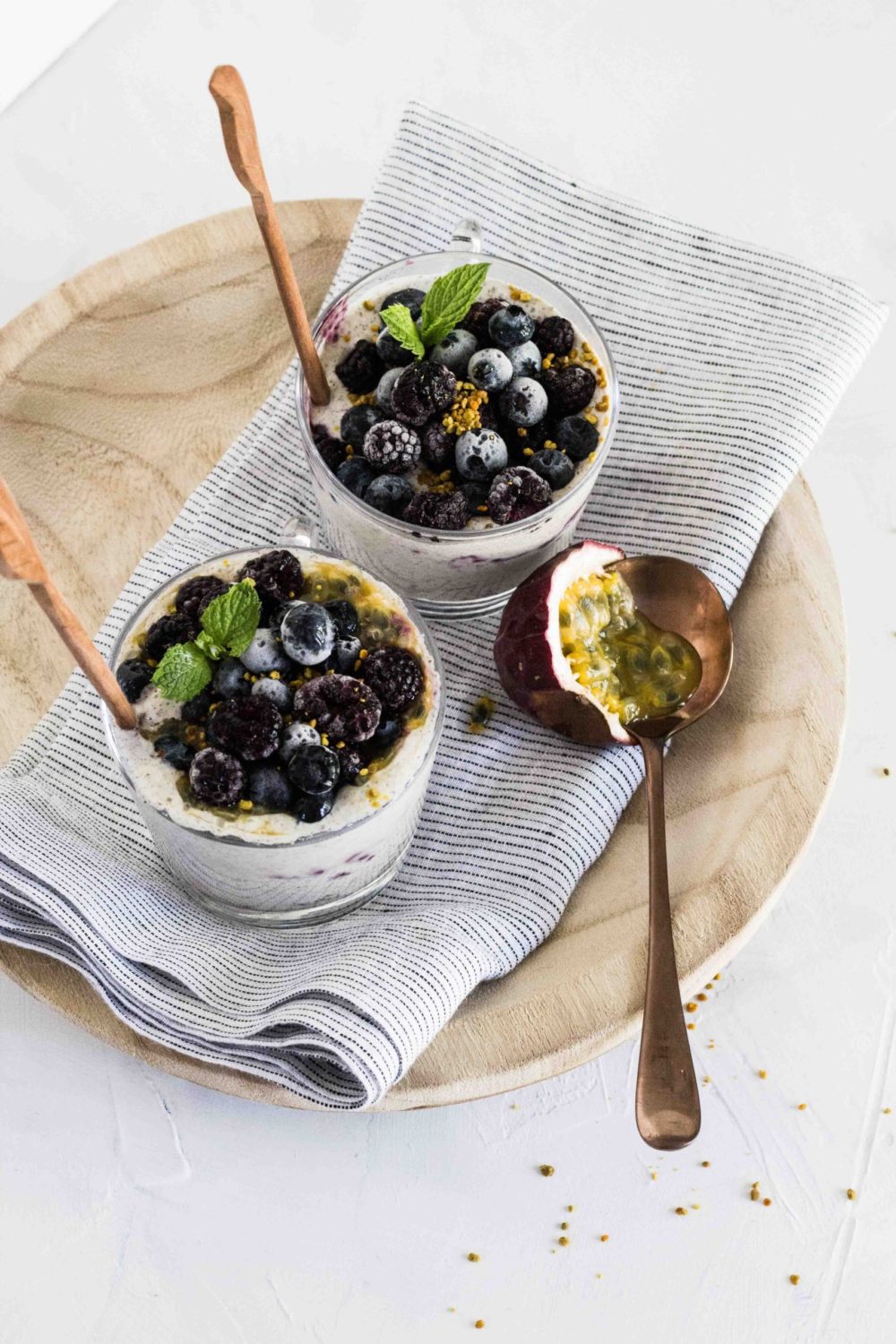
- Hot cereal boost: Add frozen blueberries directly to hot oatmeal or cereal. They’ll thaw quickly and create delicious berry pockets.
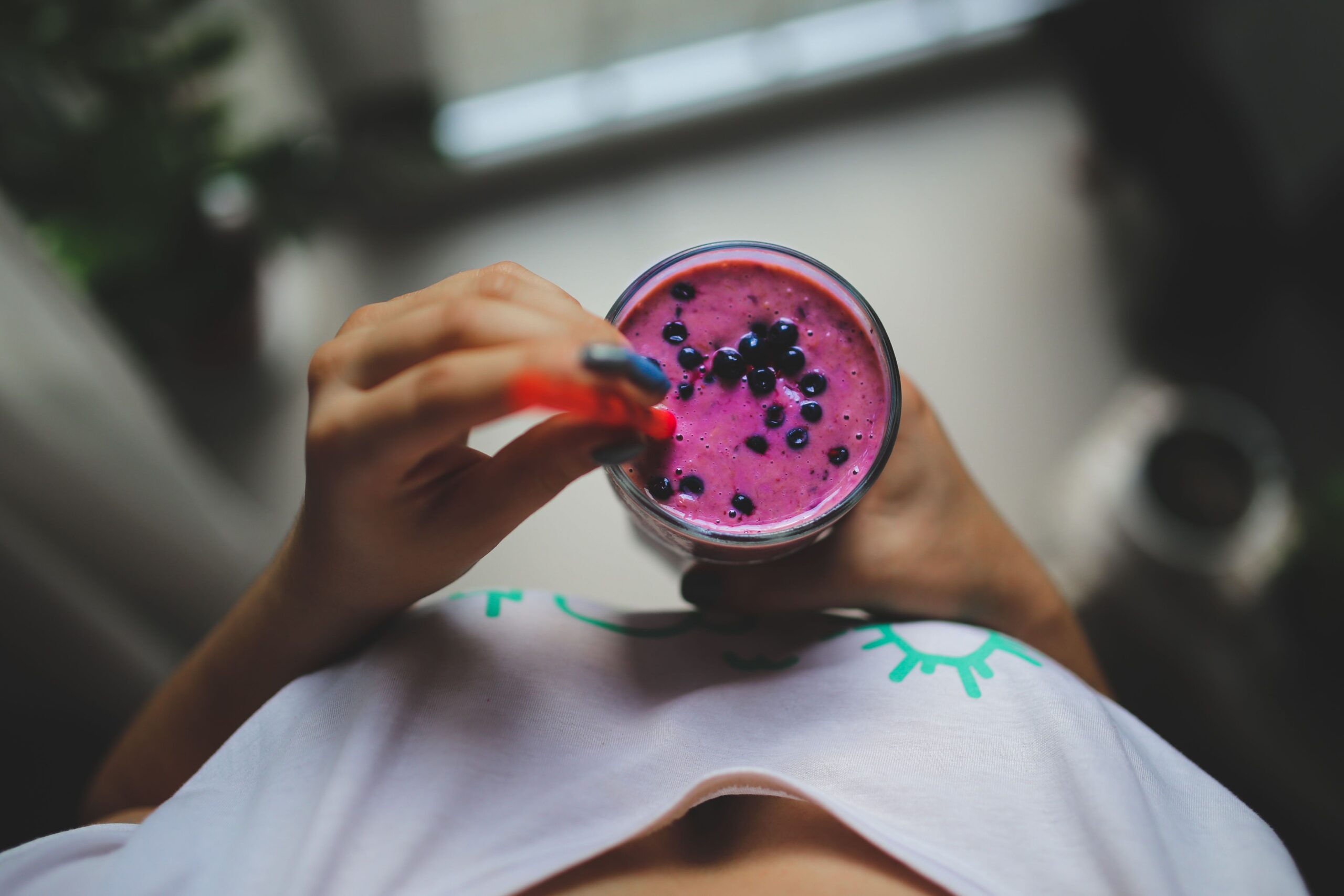
- Smoothie staple: Blend frozen blueberries into smoothies with whatever you have on hand. Kids especially love the purple color transformation.
- Snack prep: Mix blueberries with nuts in portion-controlled bags for easy snacks throughout the week.
- Dessert upgrade: Top yogurt, ice cream, or pudding with fresh or frozen blueberries for added nutrition.
- Salad surprise: Add blueberries to green salads for unexpected sweetness and extra antioxidants.
Evidence-Based Serving Recommendations
Research suggests one cup daily provides meaningful benefits for cancer prevention. This amount delivers sufficient anthocyanins and other protective compounds. It’s also a realistic, sustainable goal for most people.
You don’t need to eat them all at once. Spread servings throughout the day if preferred. Half a cup at breakfast and half at dinner works just as well.
Consistency matters more than perfection. Eating blueberries several times weekly is better than occasionally eating large amounts. Focus on regular inclusion rather than optimal doses.
Blueberry Recipes for Cancer Prevention
As your cancer dietitian, I love creating recipes that maximize nutrients while keeping things simple. Remember that no foods are off limits. Sometimes you want pancakes from a box mix, and that’s perfectly OK! For more blueberry inspiration, check out our previous article on going blue to reduce cancer risk.
When it comes to food, it’s all about balance. These recipes focus on ADDING wonderful foods that keep your body strong before, during, and after treatment. Each one has been tested with real patients and families.
How to Eat Blueberries for Cancer Prevention
- By the handful: Keep it simple. These berries are great on their own as a quick snack.
- Blend up a smoothie: Milk of choice + blueberries + chia seeds or nut butter + leafy greens like spinach or kale.
- Fruit salad: Blueberries add a lovely pop of color. Try with lemon juice, honey, and fresh mint for dressing.
- Natural sweetener: Use blueberries to sweeten oatmeal or cereal without added sugars.
- Perfect parfait: Layer blueberries + Greek yogurt + 1-2 tablespoons low-sugar granola.
- Toast topper: Make instant jam by mashing berries with flax meal or chia seeds as thickener.
- Dessert boost: Top frozen yogurt or vanilla ice cream with fresh blueberries.
- Salad sweetness: Pair with vinaigrette, fresh basil, sunflower seeds, and grilled chicken.
- Bake with blue: Try blueberry muffins, protein cheesecake, oat bars, or banana bread.
My Tested Blueberry Recipes for Cancer Prevention
As your cancer dietitian, I create recipes that maximize nutrients without maximizing stress. These blueberry recipes are tested with real patients and families. They’re designed to work even when energy is low or appetite is challenging.
Remember, you don’t need the “healthy version” of everything. Sometimes you want pancakes from a box mix. That’s perfectly fine! Balance, not perfection, is the goal.
For more recipe ideas and meal planning support, explore The Cancer Prevention Bundle designed specifically for cancer patients and survivors and you get lifetime access.
5-Minute Power Breakfast Bowl
Mix 1 cup Greek yogurt with ½ cup blueberries, 2 tablespoons ground flaxseed, and 1 tablespoon almond butter. Drizzle with honey if desired. This provides protein, healthy fats, fiber, and cancer-fighting anthocyanins in five minutes.
This recipe works because it requires no cooking and minimal prep. Keep ingredients on hand for busy mornings. Adjust proportions based on your preferences and needs.
Make it your own by adding different nuts, seeds, or other berries. The base formula stays the same. This flexibility helps prevent breakfast boredom.
Best Blueberry Protein Pancakes
Combine 1½ cups whole wheat flour, ½ cup protein powder, 1½ tsp baking powder, ½ tsp cinnamon in one bowl. Beat 3 eggs with ⅔ cup milk in another bowl. Mix together, fold in 1 cup blueberries, and cook on griddle.
These pancakes freeze beautifully for quick weekday breakfasts. Make a double batch on weekends. Reheat in a toaster or microwave as needed.
Top with nut butter, more berries, or pure maple syrup. The protein powder helps stabilize blood sugar. This prevents the energy crash common with regular pancakes.
Chocolate-Covered Protein Berry Clusters
Melt 10 oz dark chocolate chips with 1½ tbsp olive oil. Drop spoonfuls on wax paper, top with blueberries and raspberries. Drizzle more chocolate and freeze for 20 minutes.
This dessert proves cancer prevention can be delicious. Dark chocolate provides additional antioxidants. The combination satisfies sweet cravings while delivering nutrition.
Store these in the freezer for when cravings strike. Having healthy treats ready prevents less nutritious choices. They’re also perfect for sharing at gatherings.
Savory Blueberry Applications
Blueberries aren’t just for sweet dishes. Add them to green salads with feta and walnuts. They pair beautifully with balsamic vinegar and fresh herbs.
Create a blueberry reduction for grilled chicken or fish. Simmer berries with balsamic vinegar and a touch of honey. This adds antioxidants to your protein dishes.
Mix blueberries into grain salads with quinoa or farro. They add sweetness and color to otherwise plain grains. This makes whole grains more appealing and nutritious.
Understanding the Limitations and Real Expectations
Here’s what frustrates me as your dietitian: people taking research and turning it into “eat 10 cups of blueberries daily to cure cancer.” That’s not how this works. Research supports including blueberries as part of an overall healthy eating pattern.
No single food prevents or causes cancer. Including a variety of colorful fruits and vegetables gives your body tools to maintain healthy cells. It’s about the long game, not overnight miracles.
If you’re in active treatment, talk to your oncology team about your diet. If you’re focused on prevention or survivorship, evidence-based guidance is essential. Avoid extreme diets or supplement megadoses without professional guidance.
Why Food Is Not Medicine (But Still Important)
Food cannot replace medical treatment for cancer. Anyone claiming otherwise is dangerously wrong. However, nutrition absolutely supports your body during and after treatment.
Think of food as foundational support, not primary treatment. It helps your body tolerate treatment better and recover faster. Good nutrition also reduces risk of recurrence and secondary cancers.
This balanced perspective helps you make informed choices without false hope or unnecessary restrictions. Focus on nourishment, not cure. Build healthy patterns, not perfect diets.
Cancer Progression vs Prevention: Setting Realistic Goals
Understanding cancer progression helps set appropriate nutrition goals. Prevention focuses on reducing risk in healthy individuals. Secondary prevention aims to reduce recurrence risk in survivors.
During active treatment, nutrition goals shift to maintaining strength and managing side effects. Post-treatment focuses on recovery and long-term health. Each phase has different nutritional priorities.
Blueberries can support goals in every phase, but expectations should match your situation. Work with me as your cancer dietitian to set appropriate, achievable nutrition goals. Avoid comparing your journey to others. Apply to VIP 1:1 Cancer Nutrition Coaching HERE.
Special Considerations for Different Populations
Not everyone can or should eat blueberries the same way. Individual health conditions and treatments require different approaches. Always consult your healthcare team for personalized guidance.
- Blood thinner users: Maintain consistent vitamin K intake. Don’t suddenly increase or decrease blueberry consumption without consulting your doctor.
- Diabetes management: Account for carbohydrates for your needs with portion planning. Pair berries with protein or fat to minimize blood sugar spikes.
- During chemotherapy: Raw berries need to be rinsed under water to clean them due to infection risk.
- Digestive sensitivities: Start with small amounts if you have IBS or sensitive digestion. Cooked berries are often better tolerated.
- Budget constraints: Frozen berries offer the best value. Buy in bulk during sales and store properly.
- Allergies: Though rare, blueberry allergies exist. Watch for reactions when introducing them to children.
- Kidney stones: Those with oxalate kidney stones should moderate intake and increase fluid consumption.
Cost can be a real barrier for many families. Even small amounts provide benefits. Focus on what’s sustainable for your situation rather than perfect portions.
The Bottom Line
Blueberries are an excellent addition to an overall healthy eating pattern. They provide compounds that support your body’s natural defenses and may help reduce cancer risk over time. But they’re not magic or medicine.
The research from the National Cancer Institute to the UAB Comprehensive Cancer Center continues uncovering how these compounds work. More importantly, blueberries are accessible, versatile, and enjoyable to eat. Focus on adding them to what you’re already eating.
This isn’t about perfection, it’s about progress. Every cup of blueberries is a step toward better health. Choose fruits and vegetables YOU actually like, and remember: you’ve got this!
Ready to Feel More Confident About Your Health Choices?
Join thousands who’ve transformed their relationship with food using our Clean Scan Plan. This free guide provides everything you need to understand nutrition’s role in cancer prevention and feel confident about your choices.
Yes! Send Me the Free Clean Scan Plan →
References
- https://www.aicr.org/cancer-prevention/food-facts/blueberries/
- https://pubmed.ncbi.nlm.nih.gov/31329250/
- https://www.uab.edu/news/health/blueberries-a-cup-a-day-may-keep-cancer-away
- https://pubmed.ncbi.nlm.nih.gov/28963664/
- https://www.cancer.gov/about-cancer/causes-prevention/risk/diet
- https://pubmed.ncbi.nlm.nih.gov/16131149/
- https://pmc.ncbi.nlm.nih.gov/articles/PMC7442370/